Electric Vehicle Sensor Market is expected to grow at a compound annual growth rate of 15.7% through 2033
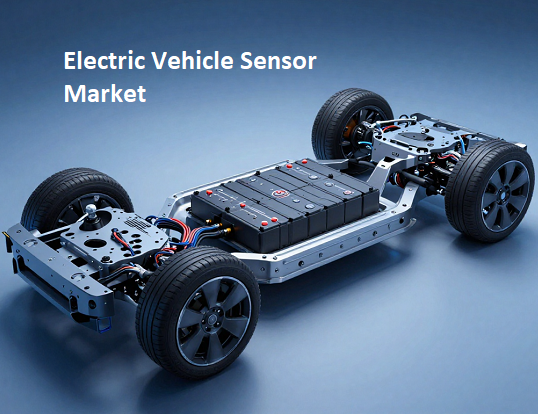
The Global Electric Vehicle Sensor Market is projected to reach USD 16.0 billion in 2024 and is expected to grow at a compound annual growth rate of 15.7% through 2033, ultimately reaching an estimated value of USD 59.4 billion. This rapid expansion reflects the accelerating global adoption of electric vehicles and the increasing integration of advanced electronic systems within modern mobility platforms. As automotive manufacturers prioritize energy efficiency, safety, and intelligent connectivity, the electric vehicle sensor market is emerging as a foundational pillar of next-generation transportation.
Understanding the Electric Vehicle Sensor Market Landscape
The electric vehicle sensor market encompasses a wide range of sensing technologies integrated into battery electric vehicles, plug-in hybrids, and hybrid electric vehicles. These sensors monitor, measure, and manage critical vehicle parameters such as temperature, pressure, current, position, speed, proximity, and environmental conditions.
Unlike traditional internal combustion vehicles, electric vehicles rely heavily on electronic control systems and battery management architectures. Sensors act as the “nervous system” of EVs, transmitting real-time data to control units that optimize performance, extend battery life, and enhance safety. From battery health monitoring to advanced driver assistance systems, sensors play an indispensable role in ensuring reliable and efficient operation.
The sharp growth trajectory of the electric vehicle sensor market reflects the broader electrification trend reshaping the automotive industry. With increasing consumer awareness of environmental sustainability and supportive regulatory frameworks, EV production volumes are rising globally, directly fueling sensor demand.
Key Growth Drivers Accelerating Market Expansion
Several structural and technological factors are driving the rapid expansion of the electric vehicle sensor market.
First, the global shift toward sustainable mobility is significantly boosting electric vehicle adoption. Governments worldwide are implementing stringent emission regulations and offering incentives to promote EV ownership. As EV sales increase, the need for high-performance sensor systems grows proportionally.
Second, advancements in battery technology require sophisticated monitoring systems. Battery management systems depend on accurate temperature, voltage, and current sensors to ensure safe charging, prevent overheating, and extend battery lifespan. The complexity of these systems elevates sensor demand per vehicle compared to traditional automobiles.
Third, the growing integration of advanced driver assistance systems enhances sensor deployment. Features such as adaptive cruise control, lane-keeping assistance, collision detection, and automated parking rely on a network of sensors including radar, ultrasonic, and optical devices.
Fourth, rising consumer expectations for connected and intelligent vehicles are influencing automakers to embed more sensors into EV platforms. Real-time diagnostics, predictive maintenance alerts, and over-the-air software updates depend on precise sensor data.
Download a Complimentary PDF Sample Report:
https://dimensionmarketresearch.com/request-sample/electric-vehicle-sensor-market/
Electric Vehicle Sensor Market is expected to grow at a compound annual growth rate of 15.7% through 2033
The Global Electric Vehicle Sensor Market is projected to reach USD 16.0 billion in 2024 and is expected to grow at a compound annual growth rate of 15.7% through 2033, ultimately reaching an estimated value of USD 59.4 billion. This rapid expansion reflects the accelerating global adoption of electric vehicles and the increasing integration of advanced electronic systems within modern mobility platforms. As automotive manufacturers prioritize energy efficiency, safety, and intelligent connectivity, the electric vehicle sensor market is emerging as a foundational pillar of next-generation transportation.
Understanding the Electric Vehicle Sensor Market Landscape
The electric vehicle sensor market encompasses a wide range of sensing technologies integrated into battery electric vehicles, plug-in hybrids, and hybrid electric vehicles. These sensors monitor, measure, and manage critical vehicle parameters such as temperature, pressure, current, position, speed, proximity, and environmental conditions.
Unlike traditional internal combustion vehicles, electric vehicles rely heavily on electronic control systems and battery management architectures. Sensors act as the “nervous system” of EVs, transmitting real-time data to control units that optimize performance, extend battery life, and enhance safety. From battery health monitoring to advanced driver assistance systems, sensors play an indispensable role in ensuring reliable and efficient operation.
The sharp growth trajectory of the electric vehicle sensor market reflects the broader electrification trend reshaping the automotive industry. With increasing consumer awareness of environmental sustainability and supportive regulatory frameworks, EV production volumes are rising globally, directly fueling sensor demand.
Key Growth Drivers Accelerating Market Expansion
Several structural and technological factors are driving the rapid expansion of the electric vehicle sensor market.
First, the global shift toward sustainable mobility is significantly boosting electric vehicle adoption. Governments worldwide are implementing stringent emission regulations and offering incentives to promote EV ownership. As EV sales increase, the need for high-performance sensor systems grows proportionally.
Second, advancements in battery technology require sophisticated monitoring systems. Battery management systems depend on accurate temperature, voltage, and current sensors to ensure safe charging, prevent overheating, and extend battery lifespan. The complexity of these systems elevates sensor demand per vehicle compared to traditional automobiles.
Third, the growing integration of advanced driver assistance systems enhances sensor deployment. Features such as adaptive cruise control, lane-keeping assistance, collision detection, and automated parking rely on a network of sensors including radar, ultrasonic, and optical devices.
Fourth, rising consumer expectations for connected and intelligent vehicles are influencing automakers to embed more sensors into EV platforms. Real-time diagnostics, predictive maintenance alerts, and over-the-air software updates depend on precise sensor data.
Download a Complimentary PDF Sample Report:
https://dimensionmarketresearch.com/request-sample/electric-vehicle-sensor-market/









 English
 Kiswahili
 Arabic
 French
 Spanish
 Deutsch
 Turkish
 Dutch
Dutch
 Italiano
 Russian
 Romaian
 Portuguese (Brazil)
 Greek
Greek
