


Server Virtualization Market Solution Combines Governance Automation Backup And Hybrid Integration
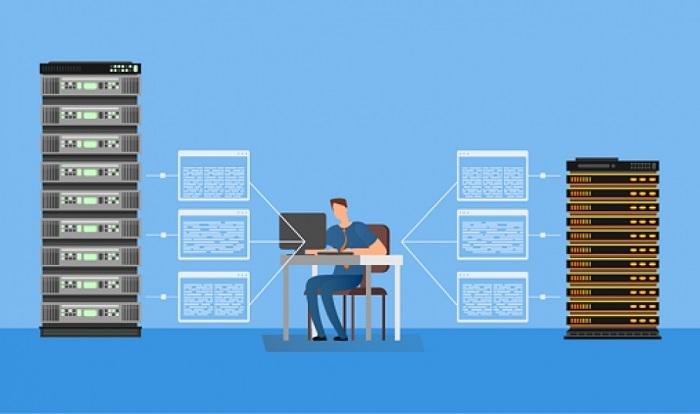
A practical Server Virtualization Market Solution should begin with standardized architecture and governance. Define cluster design, storage tiers, network segmentation, and high availability requirements. Establish VM templates with consistent security baselines, patching policies, and monitoring agents. Implement self-service provisioning through catalogs and APIs with guardrails to prevent VM sprawl. Integrate identity and access management with RBAC and audit logs to secure the management plane. Backup and disaster recovery must be built in: image-based backups, immutable copies, and tested recovery workflows. Monitor resource utilization continuously to prevent contention and performance degradation. Implement capacity planning and chargeback/showback to align usage with cost. Automation through infrastructure-as-code and policy templates reduces manual errors and speeds delivery. Hybrid integration should support DR to cloud or replication to secondary sites where appropriate. Without governance and automation, virtualization environments become cluttered and expensive. A well-designed solution treats virtualization as a managed platform with defined services, SLOs, and continuous improvement.
Implementation should be phased and workload-aware. Start by inventorying applications, dependencies, and performance requirements. Migrate suitable workloads first, then move more complex systems with careful testing. Use migration tools to reduce downtime and validate compatibility. Establish change management for snapshots, cloning, and resource allocation. Avoid uncontrolled snapshot accumulation, which can impact storage performance. Integrate monitoring with ITSM workflows for incident and change tracking. For security, implement segmentation and vulnerability management, including patching of hypervisors and management systems. Test high availability and failover behavior under real conditions. Ensure storage and network design can support live migration and peak workloads. Train operations teams on automation and platform management. If integrating Kubernetes, define how container workloads will be managed alongside VMs and how policies apply. Establish a platform team or clear ownership model to maintain standards. A phased rollout reduces risk, builds confidence, and enables standard templates to be refined before scaling across the organization.
Operational excellence determines long-term outcomes. Implement lifecycle management for hosts, including rolling upgrades and planned hardware refresh cycles. Use monitoring and performance analytics to identify underutilized resources and right-size VMs. Establish periodic cleanup and decommissioning processes to prevent sprawl. Integrate backup monitoring and regular recovery tests to ensure resilience. Harden the management plane with network isolation, MFA, and least-privilege access. Maintain documentation and runbooks for incident response and recovery. For compliance, maintain audit trails and evidence of patching and access control. Optimize energy use through consolidation and power-aware scheduling if supported. If using hyperconverged infrastructure, monitor storage performance and plan scaling carefully. For hybrid strategies, validate DR and replication regularly. Ensure vendor contracts include long-term support and clear upgrade paths. A stable operating model protects value by preventing the environment from degrading over time. Virtualization is mature technology, but it still requires disciplined operations to deliver reliability and cost efficiency.
A mature solution evolves into a platform engineering model. Developers and teams can request environments quickly through self-service while policies enforce security and compliance automatically. Integration with CI/CD workflows enables consistent staging and test environments. Observability becomes more unified, linking infrastructure health to application performance. AI-assisted operations may improve anomaly detection and capacity planning. Over time, organizations can modernize workloads gradually, running containers on VMs where appropriate while maintaining legacy systems. Hybrid connectivity enables DR and selective cloud migration without abandoning on-prem stability. The best server virtualization solutions deliver predictable outcomes: high utilization, strong uptime, fast provisioning, and tested recovery. When governance, automation, backup, and hybrid integration are aligned, server virtualization remains a powerful foundation for modern IT—supporting both legacy reliability and modern agility in a cost-controlled, secure, and operationally resilient way.
Top Trending Reports:

 English
 Kiswahili
 Arabic
 French
 Spanish
 Portuguese
 Turkish
 Dutch
Dutch
 Italiano
 Russian
 Romaian
 Portuguese (Brazil)
 Greek
Greek
