


Extended Reality Market Expands Through Enterprise Training Retail Media And Healthcare Adoption
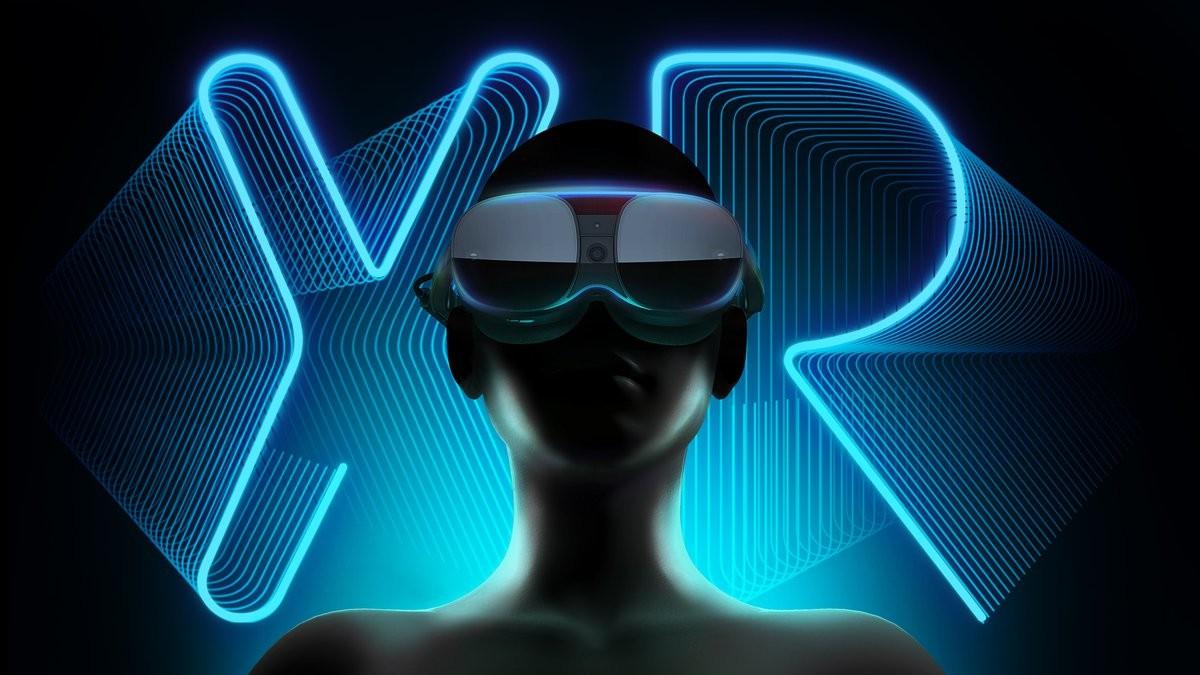
The Extended Reality Market is growing as organizations seek more effective ways to train workers, support customers, and visualize information. Market expansion is fueled by improving hardware, richer content tools, and broader enterprise willingness to invest in immersive workflows. Training is a major driver because XR can reduce time-to-competency, standardize instruction, and improve retention through practice. Retail and e-commerce add momentum through virtual try-ons, immersive showrooms, and interactive product storytelling. Healthcare applications include surgical training, therapy support, and patient education, where visualization improves comprehension. Media and entertainment continue to contribute with gaming, live events, and immersive experiences. As device ecosystems mature, spending spreads beyond pilots into scaled rollouts. However, adoption still depends on cost, device comfort, and clear evidence of measurable outcomes.
Enterprise demand is shaped by labor shortages and the need for faster onboarding. XR enables repeatable training that does not require constant instructor time, and it can simulate rare or dangerous situations safely. Field service use cases also drive demand, where remote expert assistance reduces travel and accelerates repairs. In manufacturing and logistics, XR supports guided picking, assembly instructions, and quality checks, though ruggedization and UI clarity are essential. Market growth is also influenced by software platforms offering device management, content distribution, and analytics, enabling IT teams to control fleets of headsets securely. Subscription models for content libraries and platform services can reduce upfront costs. On the consumer side, improved standalone devices and app ecosystems support adoption in gaming, fitness, and social experiences. These combined demand sources broaden the market’s base.
Competition in the market includes hardware manufacturers, platform providers, 3D engine ecosystems, and specialized solution vendors. Differentiation often comes from ergonomics, battery life, display quality, and developer tools. On the software side, buyers evaluate ease of content creation, multi-user collaboration, and integration with enterprise systems such as LMS, CAD, and field service platforms. Security, privacy, and compliance capabilities are also critical in regulated industries. Systems integrators play a strong role by building custom applications and converting existing 3D assets into interactive experiences. The market also benefits from standardization efforts and cross-platform frameworks that reduce vendor lock-in. Yet fragmentation remains a challenge: different devices and operating systems can complicate deployment and content compatibility. Buyers increasingly look for flexible platforms that support multiple hardware options.
Market outlook suggests continued growth as XR becomes embedded in operational workflows rather than treated as an innovation experiment. As hardware gets lighter and pass-through mixed reality improves, daily-use scenarios become more realistic. Wider adoption also depends on lowering content costs through reusable libraries, templates, and AI-assisted creation. Network and cloud improvements enable streaming of high-fidelity experiences, reducing local processing needs. Over time, enterprises may standardize XR as part of training and collaboration stacks, similar to video conferencing today. The extended reality market’s trajectory will be shaped by ROI proof points, enterprise IT readiness, and the ability of vendors to deliver reliable, comfortable experiences at scale.
Top Trending Reports:
Optical Spectrum Analyzer Market

 English
 Kiswahili
 Arabic
 French
 Spanish
 Portuguese
 Deutsch
 Turkish
 Dutch
Dutch
 Italiano
 Russian
 Portuguese (Brazil)
 Greek
Greek
