


The Digital Tapestry: Understanding the Modern Social Networking App and Its Impact
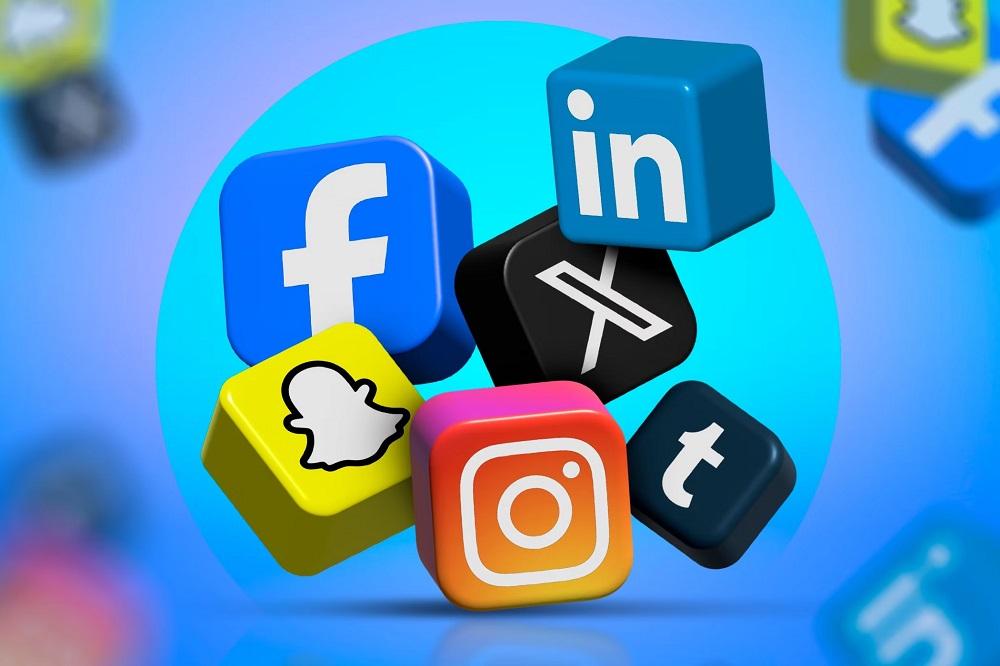
In the 21st century, the very fabric of human interaction has been rewoven by the proliferation of the modern Social Networking App. These powerful platforms are more than just digital tools; they are virtual ecosystems where individuals create and share content, connect with friends and family, and build communities around shared interests. At their core, these applications facilitate the creation of a public or semi-public profile, the articulation of a list of other users with whom one shares a connection, and the ability to view and traverse one's list of connections and those made by others within the system. From the text-based origins of early platforms to today's multimedia-rich environments dominated by video and ephemeral content, these apps have become indispensable extensions of our social lives, fundamentally altering communication patterns and societal norms on a global scale.
The architecture of a typical social networking app is built upon several key features designed to maximize user engagement and interaction. The user profile serves as a digital identity, a customizable space where individuals can express themselves through photos, biographical information, and personal updates. The news feed or timeline is the dynamic heart of the app, an algorithmically curated stream of content from a user's network that encourages endless scrolling and discovery. Direct messaging functionalities provide a private channel for one-on-one or group conversations, mimicking real-world private interactions. The "friend" or "follower" model defines the structure of a user's network, determining whose content they see and who sees theirs. These elements work in concert to create a compelling and often addictive user experience, encouraging daily, if not hourly, return visits to the platform.
The immense popularity of these applications can be attributed to their ability to fulfill fundamental human psychological needs. They tap into our innate desire for social connection and a sense of belonging, allowing us to maintain relationships across geographical distances. The system of likes, comments, and shares creates a powerful social validation loop, providing instant feedback and a sense of affirmation that can be highly rewarding. Furthermore, these platforms offer a stage for self-presentation, enabling users to curate a "personal brand" or an idealized version of their lives, sharing their achievements and "highlight reels." This combination of social connection, validation, and self-expression makes social networking apps an incredibly potent and deeply integrated part of modern identity and daily routine for billions of people around the world.
The societal impact of social networking apps has been profound and multifaceted. On one hand, they have been powerful tools for social and political mobilization, enabling grassroots movements and raising awareness for important causes on an unprecedented scale. They have democratized content creation, allowing anyone with a smartphone to become a publisher and reach a global audience. On the other hand, these platforms have also been implicated in a host of societal challenges, including the rapid spread of misinformation and disinformation, the creation of polarizing echo chambers, and growing concerns over their impact on mental health, particularly among younger users. Understanding this dual impact is critical for navigating the complex role these powerful applications play in shaping contemporary society and public discourse.
Top Trending Reports:

 English
 Kiswahili
 Arabic
 French
 Spanish
 Portuguese
 Deutsch
 Turkish
 Dutch
Dutch
 Italiano
 Russian
 Romaian
 Portuguese (Brazil)
