


The Science Behind White Blood Cells
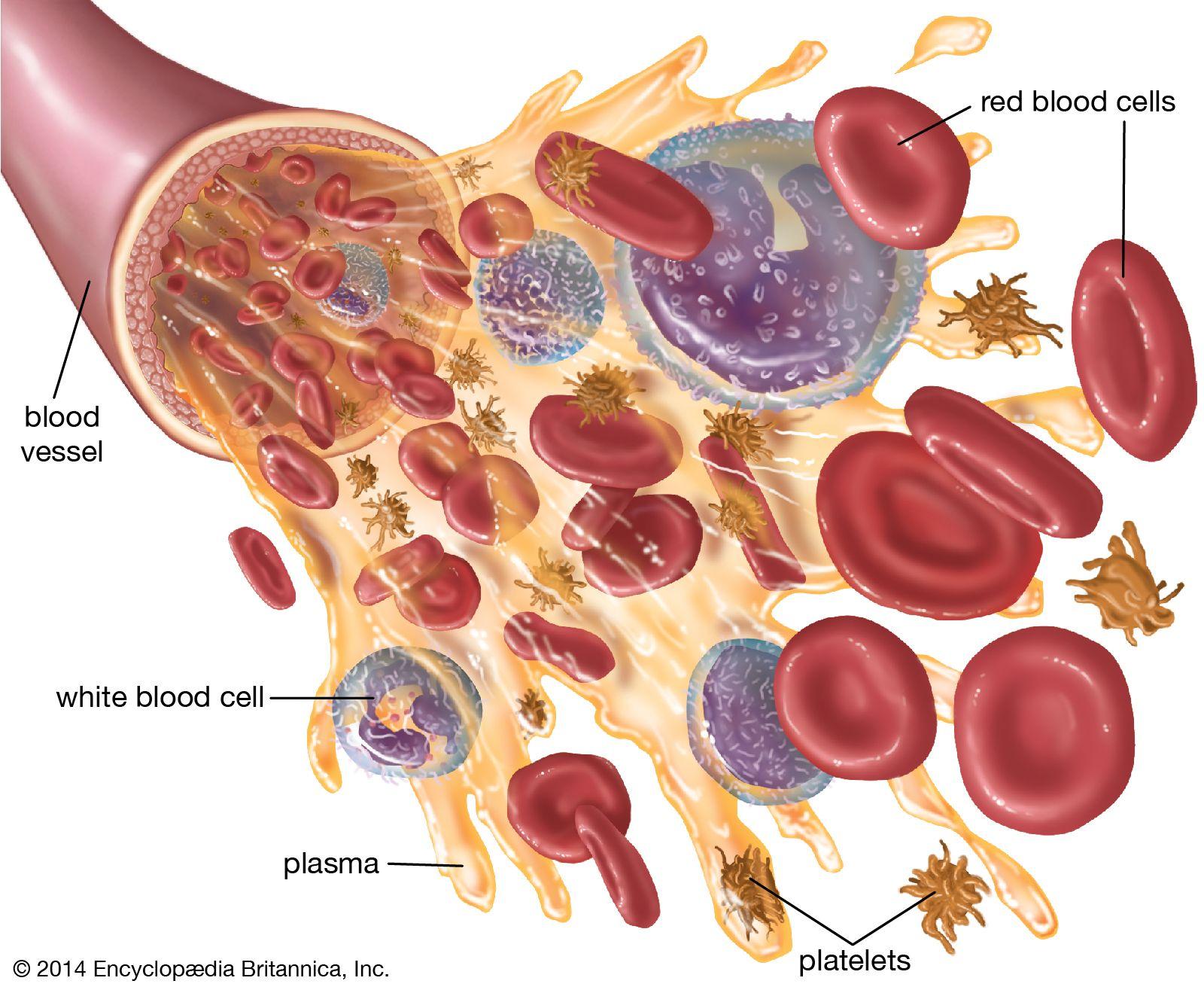
White blood cells (WBCs), also known as leukocytes, are a fundamental component of the human immune system. Unlike red blood cells, which are primarily responsible for oxygen transport, white blood cells function as the body’s primary defense mechanism against infections, foreign invaders, and abnormal cells.
Their complex biology, diversity, and coordination underpin nearly every immune response, from routine protection against common bacteria to highly specialized defenses against viral and parasitic threats. Understanding the science behind white blood cells is essential for appreciating how the immune system maintains health and responds to disease.
What Are White Blood Cells?
White blood cells are nucleated cells produced mainly in the bone marrow and, to a lesser extent, in lymphoid tissues such as the thymus, spleen, and lymph nodes. They circulate through the bloodstream and lymphatic system, constantly surveying the body for signs of infection or cellular damage. In a healthy adult, the normal white blood cell count typically ranges between 4,000 and 11,000 cells per microliter of blood, although this can vary depending on age, physiological conditions, and immune status.
Unlike red blood cells, white blood cells can migrate out of blood vessels and into tissues, a process known as diapedesis. This ability allows them to reach sites of infection or inflammation rapidly, where they carry out their defensive roles.
Classification of White Blood Cells
White blood cells are broadly classified into five main types, each with distinct structures and immune functions:
Neutrophils
Neutrophils are the most abundant white blood cells, accounting for approximately 50-70% of circulating leukocytes. They are often the first responders to bacterial infections. Neutrophils destroy pathogens through phagocytosis, engulfing and digesting microorganisms using enzymes and reactive oxygen species. Their short lifespan reflects their role as rapid, expendable defenders.
Lymphocytes
Lymphocytes play a central role in adaptive immunity. They include B cells, T cells, and natural killer (NK) cells. B cells produce antibodies that specifically recognize antigens, while T cells coordinate immune responses and directly kill infected or abnormal cells. NK cells provide a bridge between innate and adaptive immunity by targeting virus-infected and tumor cells without prior sensitization.
Monocytes
Monocytes are large white blood cells that differentiate into macrophages or dendritic cells once they migrate into tissues. These cells are essential for phagocytosis, antigen presentation, and immune regulation. Macrophages not only destroy pathogens but also release signaling molecules that orchestrate inflammation and healing.
Eosinophils
Eosinophils are primarily involved in responses to parasitic infections and in allergic reactions. They release toxic granules that damage large parasites and modulate inflammatory responses. Elevated eosinophil counts are often associated with asthma and other allergic conditions.
Basophils
Basophils are the least common white blood cells but play an important role in allergic and inflammatory responses. They release histamine and other mediators that contribute to vasodilation and increased vascular permeability.
White Blood Cells and the Immune Response
White blood cells function through two interconnected branches of immunity: innate and adaptive. The innate immune response is rapid and non-specific, relying heavily on neutrophils, monocytes, and natural killer cells. This first line of defense provides immediate protection while signaling the adaptive immune system.
The adaptive immune response is slower but highly specific. Lymphocytes recognize unique antigens and generate immunological memory, enabling faster and stronger responses upon re-exposure to the same pathogen. This memory function is the biological basis of vaccination and long-term immunity.
Communication among white blood cells is mediated by cytokines and chemokines—small signaling proteins that regulate cell movement, activation, and differentiation. This coordinated signaling ensures that immune responses are proportionate and targeted.
Clinical Importance of White Blood Cells
Abnormalities in white blood cell count or function are often indicators of underlying disease. Leukocytosis, or an elevated white blood cell count, may indicate infection, inflammation, stress, or malignancy. Conversely, leukopenia, a reduced white blood cell count, can increase susceptibility to infections and may result from bone marrow disorders, autoimmune diseases, or certain medications.
In clinical settings, white blood cell counts and differentials are routinely measured to assess immune status and guide diagnostic decisions. In bacterial infections, for example, neutrophil counts often rise, while viral infections may be associated with increased lymphocytes.
White Blood Cells and Antimicrobial Therapy
Although white blood cells are central to fighting infections, antimicrobial therapies are often required to support or enhance the immune response. Antibiotics target bacterial pathogens directly, reducing microbial load and allowing white blood cells to clear infections more effectively. In hospital and pharmaceutical supply chains, medications such as ceftriaxone are commonly used in the treatment of serious bacterial infections.
From a healthcare logistics perspective, the availability of antibiotics through channels such as ceftriaxone injection wholesale distribution is an important factor in ensuring timely treatment in clinical environments. While such supply considerations are separate from immune biology, they highlight the broader ecosystem in which white blood cells and antimicrobial agents function together to manage infectious diseases.
White Blood Cells in Research and Innovation
Advances in immunology continue to expand our understanding of white blood cells. Techniques such as flow cytometry, single-cell sequencing, and immunophenotyping have revealed remarkable diversity within leukocyte populations. These insights are driving innovations in immunotherapy, including cancer treatments that harness or modify white blood cells to target malignant cells more effectively.
Research into immune modulation also focuses on controlling excessive or misdirected white blood cell activity, which can lead to autoimmune diseases or chronic inflammation. By better understanding leukocyte signaling pathways, scientists aim to develop therapies that restore immune balance without compromising host defense.
Conclusion
White blood cells are indispensable to human health, forming a dynamic and highly coordinated defense system that protects the body from infection and disease. Their diversity, adaptability, and communication networks reflect the complexity of the immune system as a whole. From frontline innate responses to sophisticated adaptive immunity, white blood cells exemplify biological efficiency and resilience.
In both clinical practice and biomedical research, understanding the science behind white blood cells provides critical insights into disease mechanisms and treatment strategies. Whether viewed at the cellular level or within the broader healthcare infrastructure including medication supply considerations such as ceftriaxone injection wholesale white blood cells remain central to the ongoing effort to prevent and manage illness effectively.

 English
 Arabic
 French
 Spanish
 Portuguese
 Deutsch
 Turkish
 Dutch
Dutch
 Italiano
 Russian
 Romaian
 Portuguese (Brazil)
 Greek
Greek
