


The Human Firewall: An Introduction to Cyber Security Training
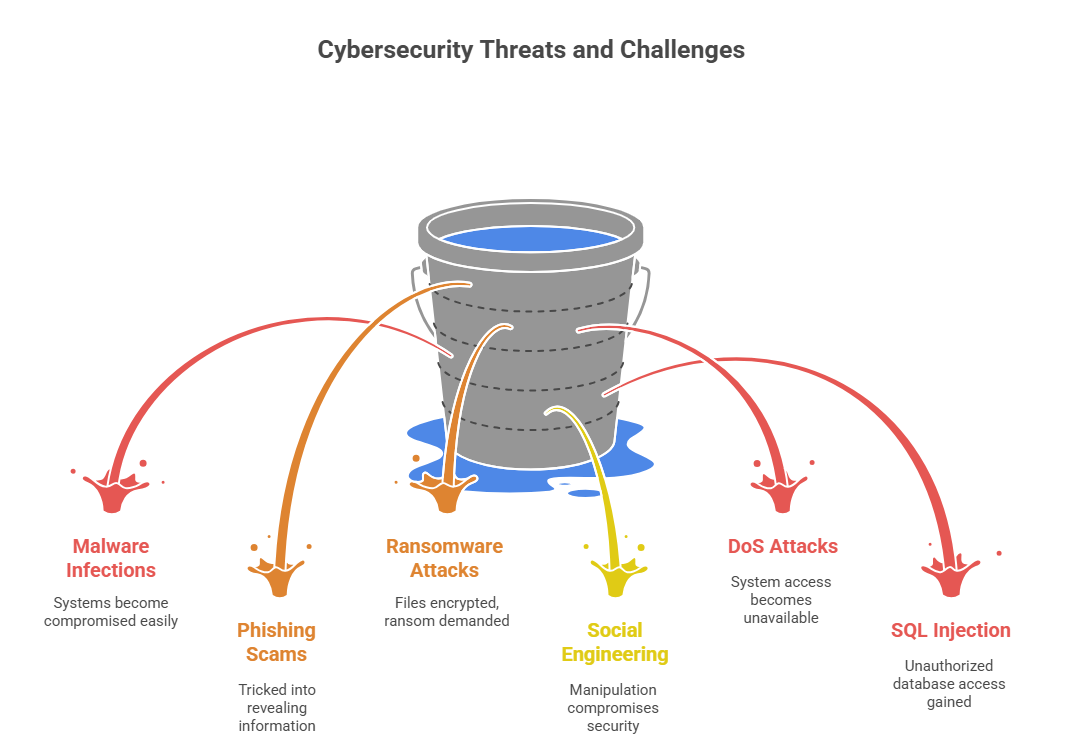
In the ongoing and escalating battle against cyber threats, organizations have come to realize that technology alone is not enough. The most advanced firewall or antivirus software can be rendered useless by a single, unwitting click from an employee. This recognition has given rise to a critical and rapidly growing field known as Cyber Security Training. This practice involves educating and training all members of an organization—from the C-suite to the front-line employees—on how to recognize, avoid, and respond to a wide range of cyber threats. The primary goal is to transform the "human element," which is often cited as the weakest link in the security chain, into a strong, vigilant, and proactive line of defense. By fostering a culture of security awareness and providing practical, hands-on skills, cyber security training is an essential and non-negotiable component of any modern, comprehensive cybersecurity strategy, helping to build a more resilient and secure "human firewall."
Cyber security training encompasses a wide spectrum of educational approaches and content, tailored to different roles and risk levels within an organization. For the general employee population, the most common form of training is Security Awareness Training. This typically involves online, computer-based training modules that cover fundamental topics such as how to create strong passwords, how to identify phishing emails, the importance of data privacy, and safe web browsing habits. This is often supplemented with simulated phishing campaigns, where the company sends out a safe, fake phishing email to its employees to test their awareness and to provide immediate, "in-the-moment" training for those who click on the malicious link. The Cyber Security Training Market is Estimated to Reach a Valuation of USD 40.78 Billion by 2035, Growing at a CAGR of 7.76% During 2025 - 2035. This massive market is built on the understanding that this baseline level of awareness is the first and most important step in reducing human-centric risk.
Beyond general awareness, a crucial part of the field is specialized, role-based training for technical and high-risk employees. Software developers, for example, receive secure coding training to learn how to write applications that are free from common vulnerabilities. IT administrators and system engineers receive training on how to securely configure and manage networks, servers, and cloud environments. For the cybersecurity professionals themselves, the training is even more advanced. This includes hands-on training on how to use specific security tools, deep-dive courses on topics like digital forensics and malware analysis, and participation in "cyber range" exercises, which are realistic, simulated environments where security teams can practice their skills in responding to a live cyberattack without any risk to the actual corporate network. This specialized training is essential for building and maintaining a skilled and effective security team.
The benefits of investing in a robust cyber security training program are substantial and provide a clear return on investment. The most significant benefit is a measurable reduction in security incidents. By teaching employees how to spot and avoid phishing attacks—which are the primary initial attack vector for most major breaches and ransomware attacks—an organization can dramatically lower its risk profile. A well-trained workforce is less likely to fall victim to social engineering, to accidentally download malware, or to mishandle sensitive data. This leads to fewer data breaches, reduced financial losses, and less reputational damage. Furthermore, in the event of a regulatory audit, having a documented and ongoing security awareness training program is often a key requirement for demonstrating compliance with a wide range of data protection regulations, such as GDPR and HIPAA, making it a critical component of both risk management and legal compliance.
Explore Our Latest Trending Reports:

 English
 Kiswahili
 Arabic
 French
 Spanish
 Portuguese
 Deutsch
 Turkish
 Dutch
Dutch
 Italiano
 Russian
 Romaian
 Greek
Greek
