


How to Recognize and Treat Worm Infections in Children?
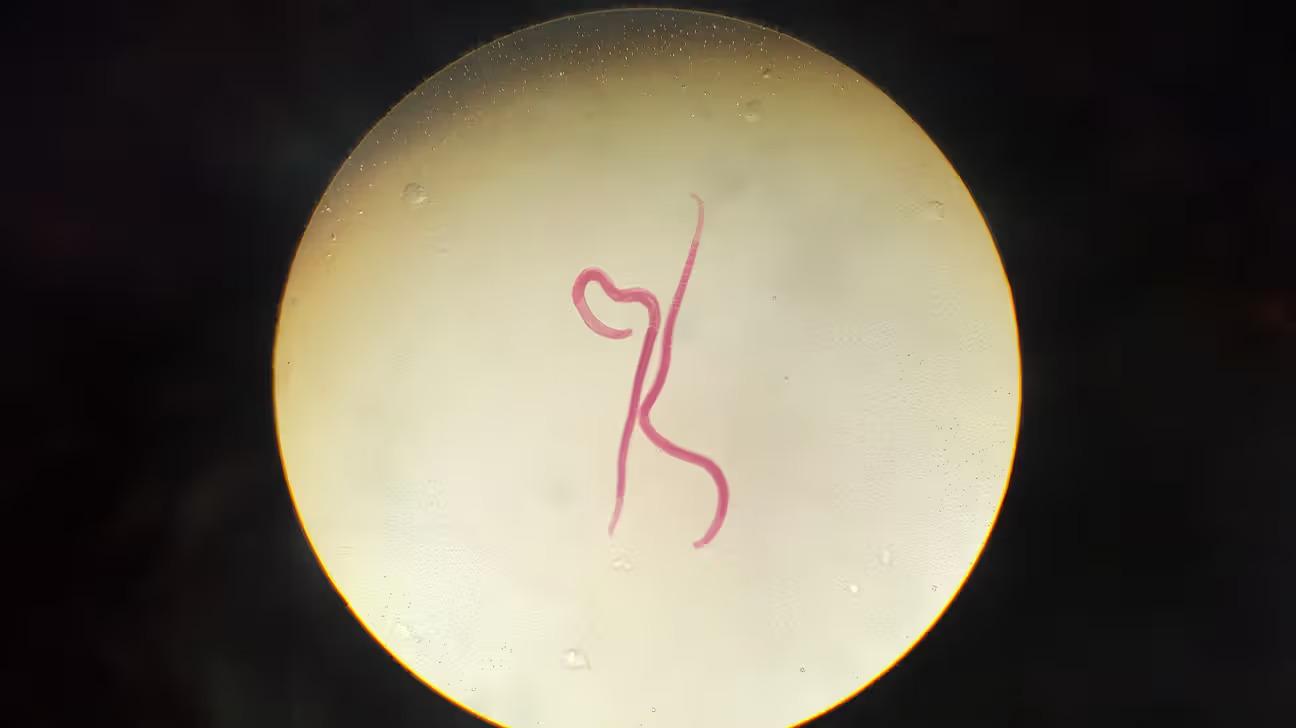
Worm infections, also known as intestinal parasitic infections, remain a common pediatric health concern worldwide, particularly in areas with limited sanitation and hygiene infrastructure. Children are especially vulnerable due to their developing immune systems, close contact with peers, and frequent hand-to-mouth behaviors.
Early recognition and appropriate treatment are critical to preventing complications such as malnutrition, anemia, and impaired growth. This article outlines how to identify worm infections in children, understand the most common types, and manage treatment effectively, including the role of antiparasitic medications.
Understanding Worm Infections in Children
Intestinal worms are parasitic organisms that live in the human gastrointestinal tract. The most common types affecting children include:
- Roundworms (Ascaris lumbricoides)
- Pinworms (Enterobius vermicularis)
- Hookworms (Ancylostoma duodenale and Necator americanus)
- Whipworms (Trichuris trichiura)
These parasites are typically transmitted through contaminated soil, food, water, or direct person-to-person contact. Poor hygiene practices, such as inadequate handwashing and walking barefoot in contaminated environments, significantly increase the risk of infection.
Signs and Symptoms to Watch For
Worm infections can range from asymptomatic to severe, depending on the type of parasite and the intensity of infection. Parents and caregivers should be alert to the following common signs:
Gastrointestinal Symptoms
Abdominal pain, bloating, diarrhea, nausea, and vomiting are frequent indicators. Some children may also experience constipation or irregular bowel movements.
Anal Itching and Discomfort
Particularly common with pinworm infections, anal itching often worsens at night and may disrupt sleep.
Weight Loss and Poor Appetite
Worms compete with the host for nutrients, which can result in weight loss, stunted growth, or failure to thrive.
Fatigue and Weakness
Chronic infections, especially hookworms, can lead to iron-deficiency anemia, causing fatigue, pallor, and reduced concentration.
Visible Worms or Eggs
In some cases, worms may be visible in the stool or around the anal area, which is a clear sign requiring medical attention.
Because symptoms can be nonspecific, laboratory testing of stool samples is often required for definitive diagnosis.
Diagnosis and Medical Evaluation
When a worm infection is suspected, a healthcare professional will typically recommend stool examinations to identify parasite eggs or larvae. For pinworms, a tape test may be used to collect samples from the perianal area. Accurate diagnosis ensures that the appropriate antiparasitic medication is selected and that unnecessary treatments are avoided.
Treatment Options for Worm Infections
The cornerstone of treatment for intestinal worm infections is antiparasitic medication. These medicines are generally safe, effective, and well tolerated in children when used as prescribed.
Commonly used antiparasitic drugs include:
- Mebendazole
- Albendazole
- Pyrantel pamoate
Mebendazole is widely used due to its broad-spectrum activity against several common intestinal worms. It works by inhibiting the parasites’ ability to absorb glucose, leading to their eventual death. Treatment regimens vary depending on the type of worm, and in some cases, a second dose may be required after a few weeks to eliminate newly hatched parasites.
From a supply-chain perspective, healthcare systems, pharmacies, and public health programs often rely on a reputable mebendazole wholesaler to ensure consistent availability of quality-assured medication, particularly during large-scale deworming initiatives. Reliable sourcing plays an important role in maintaining treatment continuity and meeting public health demands.
Supportive Care and Follow-Up
In addition to medication, supportive measures can enhance recovery
Nutritional Support: Children with prolonged infections may require iron or vitamin supplementation to address deficiencies.
Hydration: Adequate fluid intake helps manage gastrointestinal symptoms.
Follow-Up Testing: Repeat stool examinations may be recommended to confirm eradication, especially in high-risk or recurrent cases.
Parents should complete the full course of treatment even if symptoms resolve early, as incomplete therapy can lead to reinfection.
Preventing Reinfection and Spread
Prevention is a critical component of managing worm infections in children. Effective preventive strategies include:
Improved Hygiene Practices
Regular handwashing with soap and water, particularly after using the toilet and before eating, is essential.
Safe Food and Water
Washing fruits and vegetables thoroughly and ensuring access to clean drinking water reduce exposure to parasite eggs.
Environmental Measures
Proper sanitation, use of toilets, and avoiding open defecation help limit soil contamination.
Personal Habits
Keeping fingernails short, discouraging nail-biting, and wearing footwear outdoors can significantly lower risk.
Community Deworming Programs
In endemic areas, periodic mass deworming programs in schools and communities have proven effective in reducing prevalence and improving child health outcomes.
When to Seek Medical Advice
Parents should seek medical evaluation if a child exhibits persistent gastrointestinal symptoms, unexplained weight loss, severe itching, or visible worms. Prompt consultation is especially important for infants, children with chronic illnesses, or those showing signs of anemia or malnutrition.
Conclusion
Worm infections in children are a manageable but significant health issue that requires awareness, timely diagnosis, and appropriate treatment. Recognizing early symptoms, adhering to prescribed antiparasitic therapy, and implementing preventive hygiene measures can dramatically reduce complications and reinfection rates. Medications such as mebendazole remain a cornerstone of treatment, and dependable access often supported through established pharmaceutical distribution channels, including a trusted mebendazole wholesaler is essential for both individual patient care and broader public health efforts. With a combination of medical management and preventive practices, children can recover fully and maintain healthy growth and development.

 English
 Kiswahili
 Arabic
 Spanish
 Portuguese
 Deutsch
 Turkish
 Dutch
Dutch
 Italiano
 Russian
 Romaian
 Portuguese (Brazil)
 Greek
Greek
