


Quick Recovery Tips for Intestinal Amoebiasis
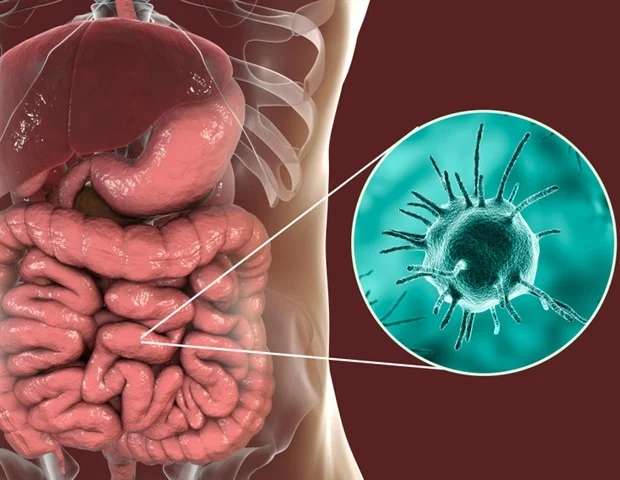
Intestinal amoebiasis is an infection caused by Entamoeba histolytica, a parasite that affects the intestines and may lead to symptoms such as abdominal pain, diarrhea, fatigue, fever, dehydration, and in severe cases, dysentery. Recovery depends on timely diagnosis, proper treatment, and supportive self-care measures.
While prescription medication from a qualified medical professional is essential for eliminating the parasite, there are many things you can do at home to support faster healing and regain your strength. Below are quick recovery tips to help you manage symptoms, prevent complications, and promote gut repair while undergoing medical treatment.
1. Follow Your Prescribed Medication Strictly
The cornerstone of amoebiasis recovery is antiparasitic treatment given by a healthcare provider. Medications such as metronidazole or tinidazole are often prescribed, sometimes followed by a luminal agent to eliminate remaining cysts in the intestines.
Do not stop your medication early, even if you feel significantly better. Many patients make the mistake of stopping midway, which can lead to recurrence. Reliable sources of treatment supply, such as a mebendazole wholesaler, are often mentioned in pharmaceutical contexts, but remember that only a licensed medical practitioner should determine what medication is right for you. Never self-medicate with antiparasitic drugs without proper guidance.
2. Stay Hydrated to Counter Fluid Loss
Diarrhea associated with amoebiasis can lead to dehydration, electrolyte imbalance, and general weakness. Rehydration is one of the fastest ways to feel better.
Hydration Tips
-
Drink oral rehydration solutions (ORS) frequently.
-
Sip small amounts of water every 10-15 minutes if nauseated.
-
Coconut water, clear broths, and diluted fruit juices can help restore electrolytes.
-
Avoid sodas, caffeinated drinks, or sugary beverages, which can worsen diarrhea.
Proper hydration supports your kidneys, helps regulate body temperature, and improves overall recovery.
3. Eat a Gentle, Gut Friendly Diet
Your digestive system is inflamed when you have amoebiasis. Choosing foods that are easy on the stomach helps the intestines recover faster.
Recommended Foods
-
Plain rice or porridge
-
Bananas (rich in potassium)
-
Boiled potatoes
-
Steamed vegetables
-
Plain toast or crackers
-
Soup with soft, easily digestible ingredients
-
Yogurt with probiotics, if tolerated
These foods soothe the digestive tract and provide essential nutrients while minimizing irritation.
Avoid Foods That Slow Recovery
-
Dairy products (except yogurt)
-
Fried foods
-
Spicy dishes
-
Raw vegetables or salads
-
Caffeine and alcohol
-
High-fat or greasy meals
Amoebiasis reduces your gut’s ability to properly digest heavy foods, so keeping meals simple and bland will speed up healing.
4. Rest and Allow Your Body to Heal
Intestinal infections place stress on your entire system. Fatigue is common, and your body requires extra downtime to recover.
Ways to Optimize Rest
-
Aim for 7-9 hours of sleep each night.
-
Avoid strenuous activity such as intense workouts or heavy lifting.
-
Take short naps during the day if needed.
-
Try gentle stretching or relaxation breathing to ease abdominal discomfort.
Healing occurs more efficiently when your body is not overworked.
5. Use Heat Therapy to Ease Abdominal Pain
Cramps and abdominal spasms are common symptoms of amoebiasis.
Effective Comfort Measures
-
Place a warm compress or heating pad on your abdomen for 10–15 minutes.
-
Use gentle circular massages on the belly area.
-
Drink warm herbal teas like ginger or chamomile.
Heat increases blood flow and relaxes the muscles of the digestive tract, offering natural pain relief.
6. Strengthen Your Immune System with Light Nutrition and Supplements
Your immune system plays a major role in clearing infections and repairing intestinal damage.
Helpful Natural Additions
-
Vitamin C rich fruits (in small, diluted portions to avoid irritation)
-
Zinc-rich foods such as oats, eggs, and soft-cooked meats
-
Probiotics, ideally from natural yogurt, to restore gut flora
-
Herbal teas such as ginger or peppermint to soothe digestion
Avoid taking supplements on your own without professional advice, especially if you are under medication.
7. Maintain Good Hygiene to Prevent Reinfection
Amoebiasis can spread through contaminated food, water, and unhygienic practices. Preventing reinfection is crucial for complete recovery.
Essential Hygiene Tips
-
Wash your hands with soap for at least 20 seconds after using the toilet.
-
Avoid sharing towels, utensils, or drinking glasses.
-
Use only safe drinking water boiled, filtered, or bottled.
-
Wash fruits and vegetables thoroughly, or cook them well.
-
Avoid street food or uncooked meals during recovery.
Good hygiene not only protects you but also prevents infecting others around you.
8. Gradually Reintroduce Regular Foods After Recovery
Once diarrhea and abdominal symptoms have settled, you can slowly add more variety to your meals.
Safe Reintroduction Plan
-
Add soft proteins like chicken or fish.
-
Introduce cooked vegetables before raw ones.
-
Try whole grains in small portions.
-
Monitor any food that triggers discomfort.
If symptoms return, revert to gentler foods and consult your healthcare provider.
9. Don’t Ignore Warning Signs
Seek urgent medical care if you experience
-
Persistent high fever
-
Blood in stool
-
Severe dehydration
-
Continuous vomiting
-
Worsening abdominal pain
-
Symptoms lasting longer than one week
Delays in treatment can lead to complications, including liver abscess or severe intestinal infection.
10. Complete Follow Up Checkups
Even after you feel well, medical follow-up ensures the parasite has been eliminated completely. Doctors may request stool tests to confirm recovery. This step is vital because some people remain carriers even after symptoms fade.
Conclusion
Recovering from intestinal amoebiasis requires a combination of proper medication, supportive care, hydration, rest, and a gentle diet. While terms like mebendazole wholesaler might appear when discussing pharmaceutical logistics, it’s essential to remember that only healthcare professionals are qualified to prescribe or recommend antiparasitic drugs. What you can do is support your body with good nutrition, hygiene, and rest while following medical advice.
By listening to your body and taking these steps seriously, you can significantly speed up recovery, reduce discomfort, and prevent reinfection. If symptoms persist or worsen, always seek prompt medical attention.

 English
 Kiswahili
 Arabic
 French
 Spanish
 Portuguese
 Turkish
 Dutch
Dutch
 Italiano
 Russian
 Romaian
 Portuguese (Brazil)
 Greek
Greek
