


Innovations Driving Electrical Equipment Manufacturing
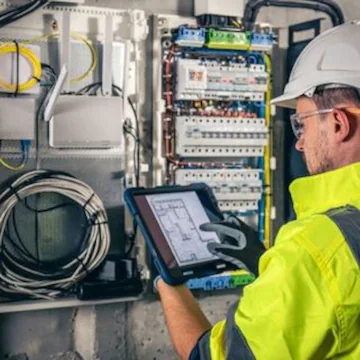
The profound and accelerating transition of the United States' energy system towards renewable sources is a central and powerful driver of the Electrical Equipment Manufacturing Industry. The massive, utility-scale deployment of solar and wind power, along with the rapid growth of battery energy storage systems (BESS), is creating a colossal demand for a wide range of specialized electrical equipment. This is not just a matter of generating clean power; it is about safely and efficiently collecting that power, converting it to the proper voltage, and transmitting it to the grid. This requires a host of critical components, including the inverters that convert the DC power from solar panels and batteries to AC power for the grid, the switchgear and circuit breakers that protect the equipment, and the massive power transformers that step up the voltage for long-distance transmission. The build-out of America's renewable energy infrastructure is a multi-decade, multi-trillion-dollar endeavor, and the electrical equipment industry is providing the essential hardware that forms its physical backbone. The growth of this market is therefore inextricably linked to the pace of the nation's clean energy transition.
Key Players
The key players supplying the electrical equipment for the US renewable energy market are a mix of global industrial giants and specialized technology providers. The major diversified electrical equipment manufacturers, such as Siemens, Schneider Electric, ABB, and GE Vernova, are all key players. They have dedicated renewable energy divisions that provide a comprehensive portfolio of products, including the large-scale inverters, transformers, and switchgear needed for utility-scale solar and wind farms. Their competitive advantage is their ability to provide a complete, integrated "balance of system" solution and their deep expertise in grid integration. A second group of key players are the specialized inverter manufacturers. Companies that are leaders in developing highly efficient and intelligent string inverters for solar applications have a strong position in the market. A third, and critically important, group are the providers of battery energy storage systems. This includes both the battery manufacturers themselves and the companies that integrate the batteries with the necessary inverters and control software to create a complete, grid-scale storage solution. The major US electric utilities and renewable energy developers are also key players as the primary customers and specifiers of this equipment.
Future in "Electrical Equipment Manufacturing Industry"
The future of the electrical equipment market for renewables in the United States will be defined by the challenges of integrating an ever-increasing percentage of intermittent resources onto the grid. A major future trend will be a massive increase in the deployment of grid-scale battery energy storage systems (BESS). These systems will be essential for storing excess solar and wind power when it is plentiful and discharging it back to the grid when the sun is not shining or the wind is not blowing. The future will see the development of more advanced, grid-forming inverters that can help to maintain the stability and frequency of the grid, a role traditionally played by the rotating mass of conventional power plants. Another major future trend will be a significant investment in upgrading and expanding the nation's high-voltage transmission network, including the use of High-Voltage Direct Current (HVDC) technology, to move vast amounts of renewable energy from the resource-rich areas (like the windy plains of the Midwest or the sunny deserts of the Southwest) to the major population centers. The US focus on building out this new transmission superhighway is a key difference from many European nations, which have a more interconnected grid, and emerging markets in South America or Africa, where the grid is less developed. The Electrical Equipment Manufacturing Industry is projected to grow to USD 2803.33 Billion by 2035, exhibiting a CAGR of 3.85% during the forecast period 2025-2035.
Key Points "Electrical Equipment Manufacturing Industry"
This analysis highlights several crucial points about the impact of the renewable energy boom on the US electrical equipment industry. The primary driver is the massive build-out of utility-scale solar, wind, and battery storage projects. The key players are a mix of the major global industrial giants who provide the heavy equipment and specialized inverter and battery system providers. The future of the market is centered on solving the challenge of intermittency, which will drive a massive demand for battery storage and advanced grid-forming inverters, as well as a major investment in the high-voltage transmission network. The clean energy transition is not just an environmental story; it is one of the single largest market opportunities in the history of the electrical equipment industry.
Top Trending Reports -

 English
 Arabic
 French
 Spanish
 Portuguese
 Deutsch
 Turkish
 Dutch
Dutch
 Italiano
 Russian
 Romaian
 Portuguese (Brazil)
 Greek
Greek
