


Brake Pump Function in Hydraulic Brake Systems
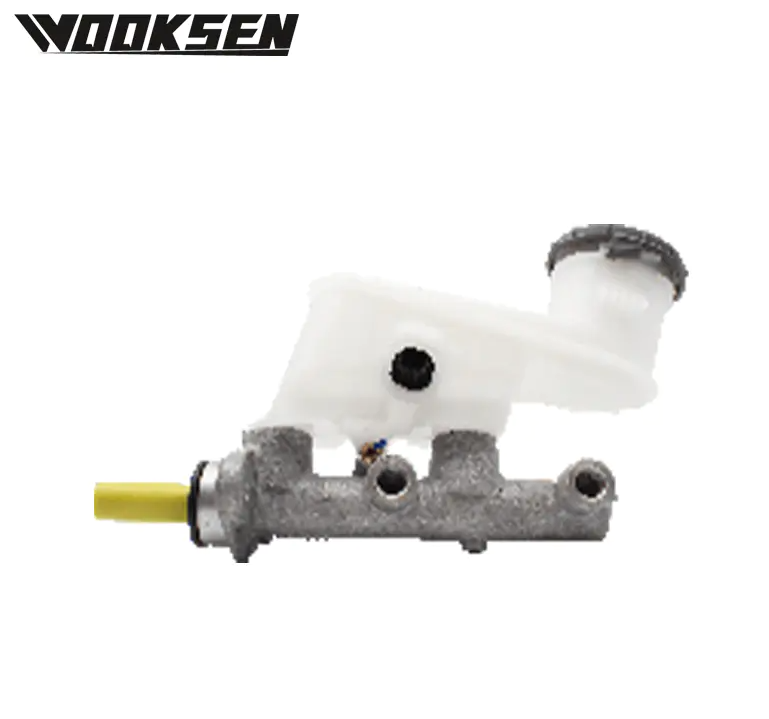
A brake pump forms the foundation of hydraulic braking systems, transforming mechanical pedal movement into fluid pressure that slows or stops a vehicle. Its internal structure, consisting of pistons, seals, and carefully machined chambers, is designed to create a predictable response each time the pedal is pressed. This predictability gives drivers the confidence to navigate heavy traffic, winding roads, or high-speed travel with steady control.
Hydraulic principles guide the function of the brake pump. When a driver steps on the pedal, force is transmitted to the master cylinder, which pushes hydraulic fluid through the brake lines toward the calipers or wheel cylinders. The brake pump ensures that the pressure developed remains consistent throughout this process. If internal components wear out or seals degrade, pressure imbalances may occur, leading to a soft pedal feel or uneven braking between wheels.
Material engineering plays a significant role in brake pump construction. The inner surfaces must be resistant to abrasion caused by fluid movement, while the outer casing must withstand mechanical vibrations and temperature changes. Manufacturers often choose metals that maintain structural form under repeated heat cycles. Precision machining ensures minimal gaps inside the pump, allowing the hydraulic fluid to move without obstruction.
The brake pump’s ability to handle various driving environments also influences overall braking quality. During long descents, for example, the system faces heat buildup due to continuous friction between brake pads and rotors. A reliable brake pump helps maintain stable pressure even as fluid temperature rises. In contrast, during winter conditions, fluid thickening may slow response time unless the pump is designed to offset those effects.
Routine maintenance contributes greatly to extending the lifespan of a brake pump. Brake fluid should be replaced at regular intervals to prevent moisture accumulation. Even small amounts of trapped water can cause internal corrosion or vapor formation under heat, reducing pressure stability. Drivers should also monitor pedal sensitivity and braking distance. Any irregularity may indicate the need for inspection of the pump or related components.
In addition to mechanical stability, the feel of the brake pedal is strongly affected by pump performance. A consistent pedal sensation helps drivers modulate braking force more accurately, reducing fatigue during long trips and improving reactions during sudden stops. Smooth brake application contributes to vehicle balance, particularly when carrying heavy cargo or traveling on uneven roads.
The brake pump may not attract attention compared with larger parts of the vehicle, yet its influence on safety and usability is substantial. It ensures that braking remains responsive across changing conditions, supporting a predictable and secure driving experience.

 English
 Kiswahili
 Arabic
 French
 Spanish
 Portuguese
 Deutsch
 Turkish
 Dutch
Dutch
 Italiano
 Russian
 Romaian
 Portuguese (Brazil)
