The R501 reference electrode is an essential component in electrochemical systems used for precise measurement and stable reference potential. It plays a critical role in laboratories, research facilities, and industrial testing environments where accurate electrochemical readings are required. This electrode provides a constant and reliable reference point against which other electrode potentials are measured. Because of its stability and durability, the R501 reference electrode is widely used in corrosion studies, chemical analysis, and electrochemical experiments. Understanding its function and importance helps researchers achieve more accurate and repeatable results in various scientific applications.
What is R501 Reference Electrode
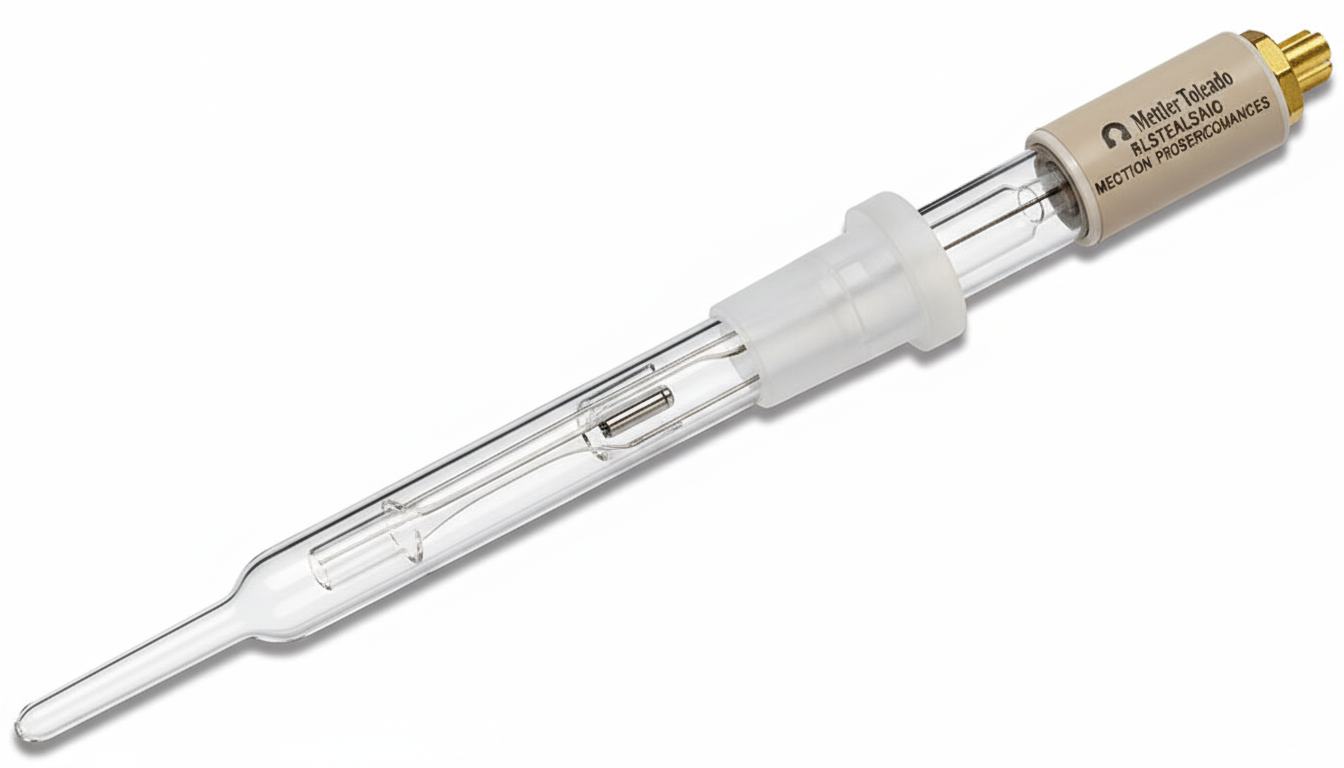
The R501 reference electrode is a specialized electrode designed to maintain a stable and known electrode potential. It is used as a benchmark in electrochemical cells to measure the potential of working electrodes. Unlike other electrodes, it does not participate in the chemical reaction but instead provides a constant reference value. This stability is achieved through its internal chemical composition, which is carefully controlled to minimize fluctuations. The R501 is commonly used in environments where precision is essential, such as corrosion testing, analytical chemistry, and sensor calibration. Its design ensures long-term reliability and consistent performance.
Working Principle
The working principle of the R501 reference electrode is based on maintaining a stable equilibrium between an internal electrolyte and a reference material. This equilibrium ensures that the electrode potential remains constant regardless of external changes in the solution being tested. When placed in an electrochemical cell, it provides a fixed voltage reference against which other electrode potentials are measured. The stability of the internal system prevents significant drift, making it highly reliable for long-term experiments. The junction allows ionic contact while minimizing contamination or mixing, ensuring accurate and reproducible measurements in various chemical environments.
Key Features
The R501 reference electrode offers several important features that make it suitable for scientific and industrial use. It provides high stability in electrode potential, which is essential for accurate measurements. It is designed for long operational life with minimal maintenance requirements. The electrode also has strong resistance to contamination, ensuring consistent performance in different chemical solutions. Its construction allows efficient ionic exchange while preventing leakage or interference. Additionally, it performs well under varying temperature and chemical conditions, making it versatile for multiple applications. These features collectively make it a dependable choice for laboratory and field use.
Applications
The R501 reference electrode is widely used in many electrochemical applications. One of its primary uses is in corrosion testing, where it helps determine the corrosion potential of metals and alloys. It is also used in electrochemical research for studying reaction mechanisms and electrode behavior. In industrial processes, it supports quality control and monitoring of chemical reactions. Environmental analysis is another key area where it is used to measure water and soil conditions. Additionally, it plays an important role in sensor calibration and development of electrochemical devices. Its versatility makes it valuable across scientific and engineering fields.
Advantages
The R501 reference electrode provides several advantages that make it a preferred choice in electrochemical measurements. Its high stability ensures consistent and accurate readings over time. It reduces measurement errors caused by potential fluctuations. The electrode is also durable, allowing it to perform effectively in demanding environments. Its low maintenance requirement makes it cost-effective for long-term use. Another advantage is its compatibility with a wide range of electrochemical systems and solutions. It also offers reliable performance in both laboratory and field conditions. These benefits make it an essential tool for professionals working in electrochemistry and related disciplines.
Maintenance and Care
Proper maintenance of the R501 reference electrode is essential to ensure long-lasting performance. It should be stored in an appropriate storage solution when not in use to prevent drying of the internal components. Regular cleaning is important to avoid contamination at the junction. Users should also check the electrode periodically for signs of drift or instability in readings. If performance decreases, recalibration or replacement of the internal electrolyte may be required. Handling the electrode carefully is important to prevent physical damage. Following manufacturer guidelines helps maintain accuracy and extends the operational life of the electrode significantly.
Troubleshooting
Common issues with the R501 reference electrode include unstable readings, slow response time, or contamination at the junction. If unstable readings occur, it may indicate depletion of internal electrolyte or blockage at the junction. Cleaning the electrode gently or replacing the electrolyte can help restore performance. Slow response may result from aging or improper storage conditions. In such cases, reconditioning the electrode may improve functionality. Contamination is another issue that can affect accuracy, especially in harsh chemical environments. Regular inspection and maintenance are key to preventing these problems and ensuring reliable operation in all applications.
Conclusion
The R501 reference electrode is a vital tool in electrochemical analysis, offering stability, accuracy, and reliability across various applications. Its ability to maintain a constant reference potential makes it essential for corrosion studies, research experiments, and industrial testing. With proper care and maintenance, it can deliver consistent performance over a long period. Its versatility and durability make it suitable for both laboratory and field environments. Understanding its working principle and applications helps users maximize its effectiveness. Overall, the R501 reference electrode remains an important component in modern electrochemical systems and scientific research.




 English
 Kiswahili
 Arabic
 French
 Spanish
 Portuguese
 Deutsch
 Turkish
 Italiano
 Russian
 Romaian
 Portuguese (Brazil)
 Greek
Greek
