. What Is Liver Disease?
Liver disease is a broad term that includes many conditions affecting the liver. Some are mild and manageable, while others can become serious over time.
Common liver diseases include:
- Fatty liver disease
- Hepatitis B and C
- Alcohol-related liver damage
- Liver cirrhosis
- Liver failure
- Liver cancer
The liver has an amazing ability to repair itself, but long-term damage can reduce this power.
2. Can Liver Disease Cause a Cough?
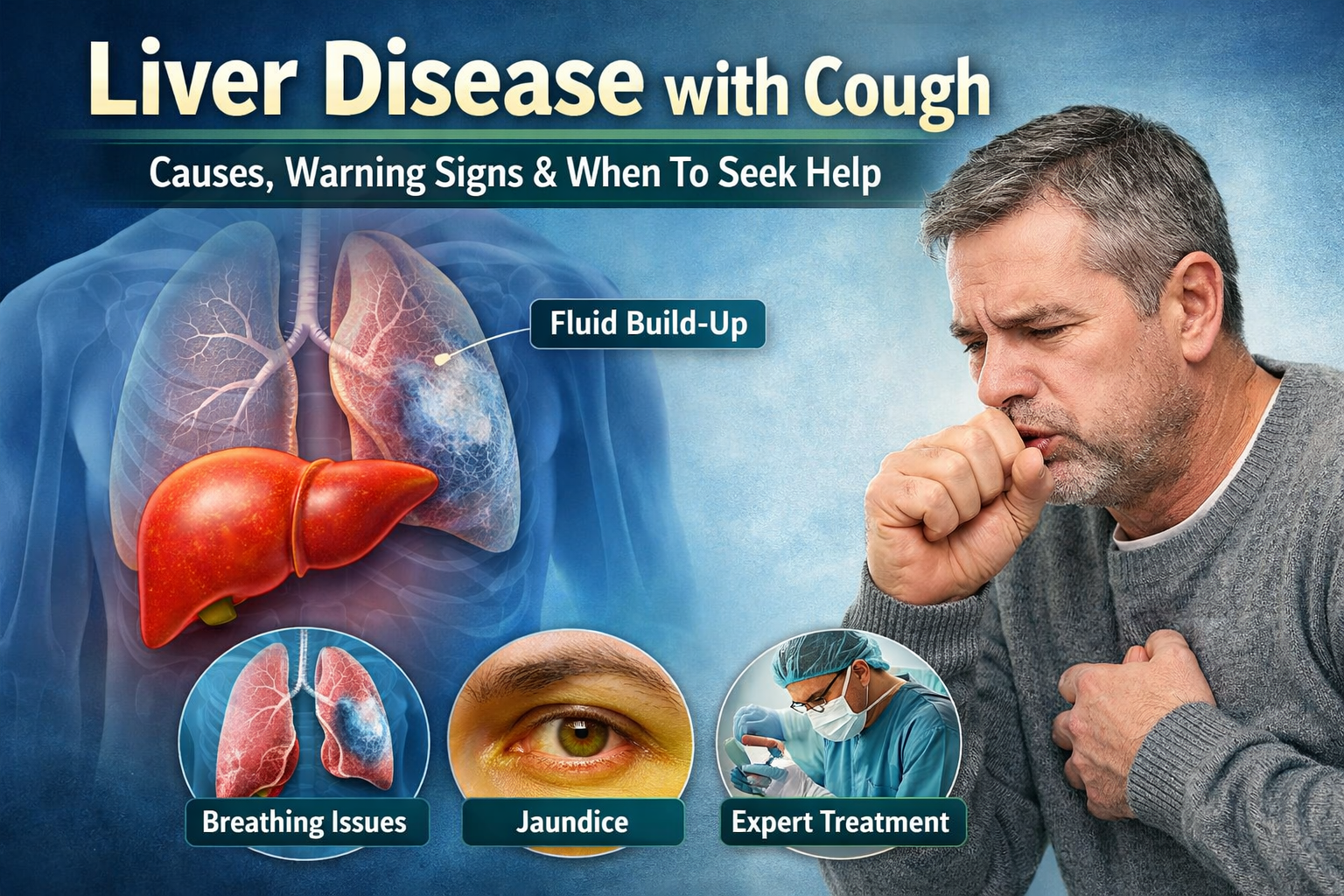
Yes, it can. A cough may happen in people with liver disease for several reasons. Sometimes it is caused by fluid pressing on the lungs. Other times, infections, reflux, or lung-related complications are responsible.
A cough is not always a sign of liver trouble, but if you already have liver disease and develop ongoing coughing, it should not be ignored.
3. Why Does Liver Disease Lead to Coughing?
There are several possible reasons why coughing develops:
Fluid Pressure
Advanced liver disease can cause fluid to collect in the abdomen or around the lungs. This may irritate breathing and trigger cough.
Weak Immunity
Liver disease can weaken the immune system, increasing the risk of chest infections.
Reflux
Some people with liver problems experience acid reflux, which can irritate the throat and cause coughing.
Lung Changes
Certain liver conditions affect blood vessels in the lungs, leading to breathlessness and cough.
Think of it like a blocked drainage system in a house. When one part stops working properly, the effects can spread elsewhere.
4. Fluid Build-Up and Breathing Problems
One of the most common reasons for cough in advanced liver disease is fluid retention.
Ascites
This is fluid build-up in the abdomen. A swollen abdomen can push upward against the diaphragm, making breathing harder.
Pleural Effusion
Sometimes fluid collects around the lungs. This can cause:
- Dry cough
- Chest heaviness
- Shortness of breath
- Trouble lying flat
Doctors may need to remove excess fluid to help breathing.
5. Infections Linked to Liver Disease
The liver helps support immunity. When liver function declines, the body may struggle to fight infections.
Common infections include:
- Pneumonia
- Bronchitis
- Tuberculosis (in some cases)
A cough with fever, mucus, weakness, or chest pain should be checked quickly.
6. Acid Reflux and Liver Conditions
People with liver disease may also deal with digestion issues. Acid reflux happens when stomach acid moves upward into the food pipe.
This can cause:
- Burning in the chest
- Sour taste in mouth
- Night cough
- Throat irritation
Many people do not realize reflux can cause chronic coughing, especially at night.
7. Lung Complications of Liver Disease
Some liver diseases can affect the lungs directly.
Hepatopulmonary Syndrome
This happens when blood vessels in the lungs widen abnormally, reducing oxygen levels.
Symptoms include:
- Shortness of breath
- Cough
- Tiredness
- Bluish lips or fingers
Portopulmonary Hypertension
This means high blood pressure in the lungs linked to liver disease.
Symptoms may include:
- Dry cough
- Dizziness
- Breathlessness
- Fatigue
These conditions need specialist care.
8. Common Symptoms to Notice
If you have liver disease with cough, watch for these warning signs:
- Persistent cough
- Wheezing
- Fever
- Swollen abdomen
- Yellow skin or eyes
- Leg swelling
- Tiredness
- Weight loss
- Loss of appetite
- Shortness of breath
- Chest discomfort
The combination of cough and liver symptoms should never be brushed aside.
9. How Doctors Diagnose the Problem
Doctors will first look for the cause of the cough rather than assuming it is “just a cough.”
Tests may include:
Blood Tests
To check liver enzymes, infection, and overall health.
Chest X-Ray
Looks for lung infection or fluid around the lungs.
Ultrasound
Checks the liver and abdominal fluid.
CT Scan
Provides detailed images if needed.
Endoscopy
Used if reflux or internal bleeding is suspected.
Pulmonary Function Tests
Measure lung performance.
Accurate diagnosis is the key to correct treatment.
10. Treatment for Liver Disease With Cough
Treatment depends on the cause.
If Fluid Is the Problem
- Low-salt diet
- Diuretics (water tablets)
- Fluid drainage procedures
If Infection Is Present
- Antibiotics
- Rest
- Hydration
If Reflux Is Causing Cough
- Acid-reducing medicines
- Smaller meals
- Avoid lying down after eating
If Advanced Liver Disease Exists
- Medicines to support liver health
- Monitoring complications
- Evaluation for transplant if needed
Never self-medicate, especially with liver disease, because some common drugs can worsen liver damage.
11. Lifestyle Tips for Better Recovery
Small daily changes can make a big difference.
Eat Smart
Choose fruits, vegetables, lean protein, and whole grains.
Limit Salt
Salt increases fluid retention.
Avoid Alcohol
Alcohol can worsen liver injury.
Stay Active
Gentle walking improves circulation and stamina.
Sleep Upright
If cough worsens at night, raising the head may help.
Follow Medical Advice
Take medicines exactly as prescribed.
12. When Is It an Emergency?
Seek urgent medical care if cough happens with:
- Severe shortness of breath
- High fever
- Coughing blood
- Confusion
- Fainting
- Blue lips
- Severe swelling
- Sudden chest pain
These symptoms may signal a serious complication.
13. Can Liver Transplant Help?
If liver disease becomes severe and the liver can no longer function properly, a liver transplant may be the best option. In many cases, symptoms like fluid retention, breathing issues, and related complications improve after transplant.
Choosing the right expert matters. Many patients look for the best liver transplant specialist in india for advanced evaluation, second opinions, and long-term care planning.
A transplant is not just one surgery—it is a journey involving testing, timing, donor planning, surgery, and follow-up care.
14. Prevention Tips
While not all liver disease can be prevented, many cases can.
Protect Your Liver By:
- Maintaining healthy weight
- Exercising regularly
- Limiting alcohol
- Vaccination for hepatitis
- Safe food and water habits
- Avoiding unnecessary medicines
- Regular health check-ups
- Managing diabetes and cholesterol
The earlier liver disease is found, the better the chances of avoiding complications like cough and breathing issues.
15. Final Thoughts
A cough may seem like a small symptom, but in some cases it can be connected to liver disease. It may result from fluid build-up, infection, reflux, or lung complications linked to poor liver function. The important thing is not to ignore ongoing symptoms.
If you or a loved one has liver disease and develops a persistent cough, speak with a doctor. Early treatment can prevent bigger problems later. And when disease is advanced, consulting the best liver transplant specialist in india can open the door to life-saving options and better long-term health.
FAQs
1. Can fatty liver cause cough?
Fatty liver itself does not usually cause cough directly, but related issues like reflux, obesity, or other health conditions may contribute.
2. Is cough a symptom of liver cirrhosis?
Yes, it can happen indirectly due to fluid around the lungs, infections, or breathing complications.
3. Should I worry about cough with jaundice?
Yes. A cough with jaundice should be medically evaluated, especially if it is persistent or linked with fever or breathlessness.
4. Can liver treatment stop the cough?
If the cough is caused by a liver-related issue, treating the underlying liver condition often helps improve symptoms.
5. When should I see a specialist?
If cough lasts more than a few weeks, worsens, or comes with swelling, jaundice, weight loss, or shortness of breath, see a liver specialist promptly.




 Kiswahili
 Arabic
 French
 Spanish
 Portuguese
 Deutsch
 Turkish
 Dutch
Dutch
 Italiano
 Russian
 Romaian
 Portuguese (Brazil)
 Greek
Greek
