


Diabetes and Cancer: Does Diabetes Cause Cancer?
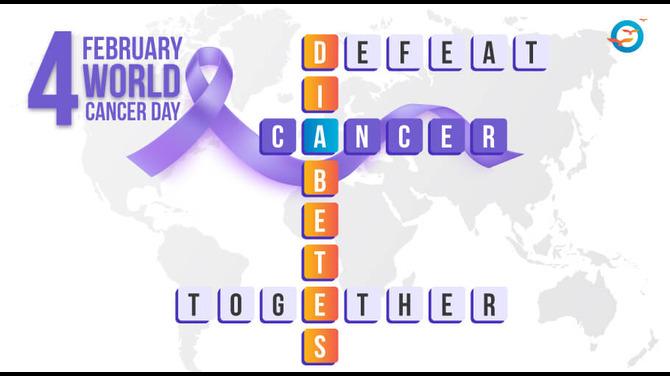
Diabetes and Cancer: Does Diabetes Cause Cancer?
Diabetes is a chronic condition that affects multiple systems in the body, often leading to complications such as vision problems, high blood pressure, and heart disease. However, one of the lesser-discussed yet serious concerns is its connection with cancer. Many people wonder, does diabetes cause cancer? While diabetes itself may not directly cause cancer, research has established a strong link between the two conditions, primarily due to underlying metabolic disturbances.
How Diabetes Affects the Body
When blood sugar levels remain consistently high, it leads to damage in blood vessels and tissues. Since blood circulates throughout the entire body, this damage is not limited to one organ. Over time, prolonged exposure to elevated glucose levels can harm vital organs such as the heart, kidneys, and liver. These changes create an environment in the body that may support the development of abnormal cells, including cancerous growths.
Understanding the Diabetes–Cancer Link
Cancer cells, like normal cells, require nutrients to grow and multiply. These nutrients are delivered through the bloodstream. In individuals with diabetes, especially poorly controlled Type 2 diabetes, there are several metabolic imbalances that increase the risk of cancer. Obesity is one of the most significant shared risk factors between diabetes and cancer. It leads to hormonal imbalances and chronic inflammation, both of which contribute to disease progression.
Other contributing factors include hyperinsulinemia (excess insulin in the blood), hyperglycemia (high blood sugar), dyslipidemia (abnormal fat levels), chronic inflammation, and changes in gut microbiota. These factors create a favorable environment for cancer development, often without the individual being aware of the risk.
Cancer Risk in Diabetic Individuals
Studies have shown that people with uncontrolled Type 2 diabetes have approximately a 39 percent higher risk of developing cancer. The type of cancer may vary depending on gender. Men with diabetes are more likely to develop prostate cancer, while women have a higher risk of breast cancer.
In addition, Type 2 diabetes is associated with an increased risk of cancers affecting the liver, pancreas, and colon. Although the connection between Type 1 diabetes and cancer is less clear, some studies suggest a higher risk of stomach, cervical, and endometrial cancers in these individuals.
The Role of Pre-Diabetes
Even individuals with pre-diabetes are not completely safe from the risk. Research indicates that pre-diabetes may also be linked to an increased likelihood of developing certain types of cancer. These include colorectal, lung, liver, ovarian, pancreatic, and prostate cancers. The rise in diagnostic technologies and frequent testing may partly explain these findings, but the underlying metabolic issues remain a concern.
Impact of Diabetes Medications
Certain diabetes medications may influence cancer risk. For example, drugs like sulfonylureas can increase insulin levels, which may promote tumor growth. Similarly, long-acting insulin therapy has been associated with a higher susceptibility to cancer in individuals with Type 2 diabetes.
On the other hand, Metformin has shown promising results due to its potential anti-tumor effects. It works by improving insulin sensitivity and reducing insulin levels, thereby lowering the risk factors associated with cancer development.
Warning Signs to Watch
Recognizing early warning signs can play a crucial role in timely diagnosis and treatment. Symptoms such as persistent fatigue, unexplained weight loss or gain, difficulty eating or swallowing, swelling or lumps in the body, and non-healing wounds should not be ignored. Other signs include a persistent cough, unexplained bleeding or bruising, changes in bowel habits, painful or frequent urination, fever, night sweats, headaches, and unusual changes in the mouth such as sores or numbness.
Reducing the Risk of Cancer
Despite the concerning link between diabetes and cancer, there are effective ways to reduce the risk. One of the most important steps is maintaining a healthy weight, as obesity is a major contributing factor to both conditions. Lifestyle changes such as adopting a balanced diet, increasing physical activity, managing stress, and ensuring proper sleep can significantly improve overall health.
These changes help reduce insulin resistance, control blood sugar levels, and lower chronic inflammation, thereby decreasing the likelihood of cancer development.
A Holistic Approach to Diabetes Reversal
Structured lifestyle programs can play a key role in reversing diabetes and reducing associated risks. Programs like the Transformative Residential Program (TRP) and the Holistic Transformation Program (HTP) focus on a comprehensive approach that includes diet, exercise, stress management, and medical supervision. These programs have helped thousands of individuals achieve better health outcomes and lead medication-free lives.
For more detailed insights, visit:
https://www.freedomfromdiabetes.org/blog/post/does-diabetes-cause-cancer/2706

 English
 Kiswahili
 Arabic
 French
 Spanish
 Portuguese
 Deutsch
 Turkish
 Dutch
Dutch
 Italiano
 Russian
 Romaian
 Portuguese (Brazil)
