


The Transformative Ecosystem of the Modern Digital Business Card Industry Today.
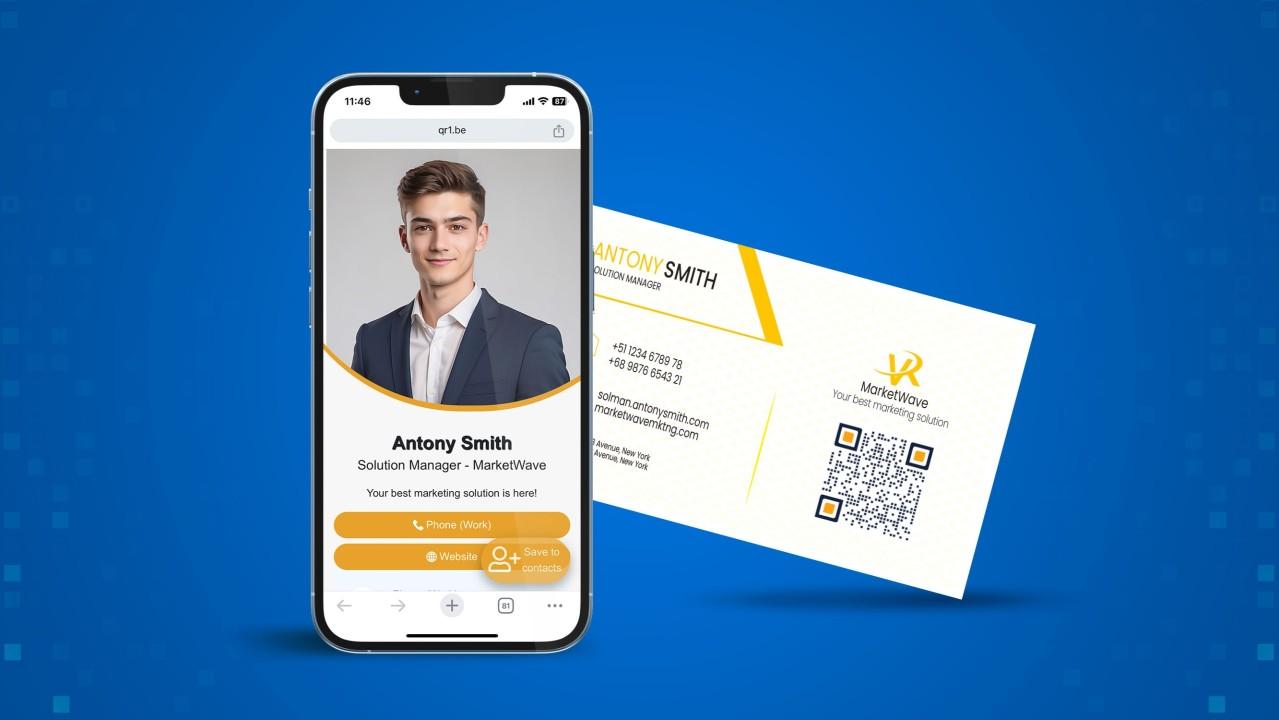
The global Digital Business Card industry is undergoing a profound transformation, rapidly moving beyond a niche curiosity to become a fundamental tool in the modern professional's networking arsenal. This dynamic sector is redefining the age-old tradition of exchanging paper business cards by leveraging the power of smartphones, cloud technology, and ubiquitous connectivity. At its core, the industry provides a sustainable, efficient, and data-rich alternative for sharing contact information and building professional relationships. The shift is driven by a growing demand for more interactive, measurable, and environmentally conscious networking practices. Digital business cards are no longer just static contact files; they are dynamic, multimedia-rich personal landing pages, complete with photos, videos, social media links, portfolios, and even appointment scheduling capabilities. This evolution marks a significant departure from the limitations of printed cardboard, offering a more holistic and engaging representation of one's professional identity. The industry is not merely digitizing a physical object; it is fundamentally reimagining the first point of contact in a professional engagement, making it more interactive, memorable, and actionable, and setting a new standard for networking in the 21st century.
The ecosystem of the digital business card industry is a complex and interconnected web of diverse players, each contributing a vital piece to the overall solution. At the heart of the industry are the software developers and platform providers who create the mobile applications and web-based dashboards that users interact with. These companies, ranging from agile startups to established tech firms, are responsible for the user interface, feature development, and cloud infrastructure that powers the service. A second critical component of the ecosystem is the hardware and technology enablers. This includes companies that specialize in Near Field Communication (NFC) technology, embedding NFC chips into physical cards, phone tags, or other form factors that allow for a simple tap-to-share experience. Similarly, the use of QR codes remains a prevalent and highly accessible sharing method, with technology providers ensuring seamless and reliable code generation and scanning. A third pillar of the ecosystem consists of integration partners. These are the CRM platforms like Salesforce, HR systems, and marketing automation tools that digital business card platforms connect with via APIs, allowing for a smooth flow of contact data and lead information into a company's existing workflows, thereby enhancing the value proposition for enterprise clients.
The core functionalities of modern digital business cards extend far beyond the simple exchange of a name, title, and phone number. They serve as a powerful personal branding and lead generation tool. Users can create highly customizable and visually appealing profiles that include a professional headshot, company logo, and brand colors. More importantly, they can embed a wide array of rich media, such as introductory videos, project portfolios, case studies, and links to publications or press mentions. This transforms the card from a static piece of information into a dynamic and interactive marketing asset. Many platforms also include powerful lead capture features, allowing the recipient to not only receive the sender's information but also to share their own details back, often with a field for adding notes about the interaction. Advanced features like integrated appointment scheduling (linking to Calendly or similar services) and embedded call-to-action buttons (e.g., "Download My Brochure" or "Visit Our Website") turn a simple networking exchange into a direct business opportunity. The ability to track analytics—seeing who viewed your card, what links they clicked, and where they are located—provides unprecedented, data-driven insights into networking effectiveness.
Looking towards the future, the digital business card industry is poised for even greater innovation, driven by the integration of emerging technologies. Artificial intelligence (AI) will play a significant role in making networking smarter and more efficient. AI algorithms could analyze a user's new contacts and networking patterns to suggest personalized follow-up messages, identify high-potential leads, or even recommend other relevant professionals to connect with. Augmented Reality (AR) presents another exciting frontier, where pointing a smartphone camera at a physical object or person could overlay their digital business card in an immersive AR experience at a conference or event. The principles of blockchain technology could be used to create decentralized, verifiable digital identities, ensuring the authenticity and security of professional credentials shared via a digital card. Furthermore, the integration with wearable technology, such as smartwatches, will make the sharing process even more seamless and frictionless. The ultimate vision is an intelligent, interconnected system that not only replaces the paper card but transforms professional identity management into a more dynamic, secure, and insightful aspect of our daily professional lives.
Discover Localized Data And Forecasts Across Key Global Regions And Individual Country Markets:
Apac Digital Business Card Market
Canada Digital Business Card Market
China Digital Business Card Market

 English
 Kiswahili
 Arabic
 French
 Portuguese
 Deutsch
 Turkish
 Dutch
Dutch
 Italiano
 Russian
 Romaian
 Portuguese (Brazil)
 Greek
Greek
