


Effective Treatments for Pyoderma in Dogs
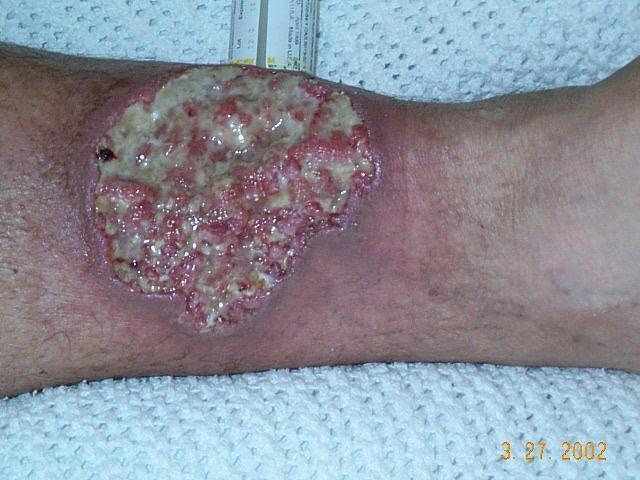
Pyoderma is one of the most common skin conditions affecting dogs, characterized by bacterial infections that lead to pustules, redness, itching, and discomfort. Most cases are caused by Staphylococcus pseudintermedius, a bacterium normally present on the skin but capable of causing infection when the skin barrier is compromised. Understanding the causes, clinical signs, and especially the treatment options is essential for managing this condition effectively.
Understanding Pyoderma in Dogs
Pyoderma refers to a bacterial skin infection that can be classified into three categories:
- Surface pyoderma – affects the outermost layer of skin
- Superficial pyoderma – involves hair follicles
- Deep pyoderma – penetrates deeper into the dermis and subcutaneous tissue
Common predisposing factors include allergies (especially atopic dermatitis), flea infestations, hormonal imbalances like hypothyroidism, and poor grooming. Dogs with skin folds, such as Bulldogs and Pugs, are particularly susceptible due to moisture accumulation.
Clinical Signs to Watch For
Recognizing the symptoms early allows for prompt intervention. Typical signs include:
- Red, inflamed skin
- Pustules or pimple-like lesions
- Crusts and scabs
- Hair loss (alopecia)
- Excessive scratching or licking
- Unpleasant odor
In chronic or deep infections, lesions may become painful, swollen, and may even discharge pus.
Diagnostic Approach
Veterinarians typically diagnose pyoderma through:
- Physical examination
- Skin cytology (microscopic evaluation of skin cells)
- Bacterial culture and sensitivity testing in recurrent or resistant cases
These diagnostic tools help determine the severity of infection and guide antibiotic selection.
Treatment Strategies for Canine Pyoderma
1. Systemic Antibiotic Therapy
The cornerstone of treatment for moderate to severe pyoderma is systemic antibiotic therapy. Among the most widely used antibiotics is Cephalexin.
Role of Cephalexin Capsules
Cephalexin capsules are frequently prescribed due to their effectiveness against Gram-positive bacteria, particularly Staphylococcus species. They belong to the cephalosporin class of antibiotics and work by disrupting bacterial cell wall synthesis, leading to bacterial death.
Key advantages of cephalexin capsules:
- Broad-spectrum activity against common skin pathogens
- Good oral absorption and tissue penetration
- Generally well-tolerated by dogs
- Cost-effective compared to newer antibiotics
Dosage and Administration
Veterinarians typically prescribe cephalexin capsules at a dose of 20–30 mg/kg twice daily, although the exact dosage may vary depending on the severity of the infection and the dog's overall health.
It is critical to:
- Administer the medication for the full prescribed duration (often 3–6 weeks)
- Continue treatment for at least 7–10 days beyond clinical resolution
- Avoid premature discontinuation to prevent recurrence or resistance
2. Topical Therapy
Topical treatments are often used alongside systemic antibiotics, especially in mild cases or as adjunct therapy.
Common topical options:
- Antibacterial shampoos containing chlorhexidine or benzoyl peroxide
- Medicated wipes or sprays for localized lesions
- Antifungal shampoos if yeast involvement is suspected
Bathing frequency typically ranges from 2–3 times per week during active infection.
3. Addressing Underlying Causes
Pyoderma is often secondary to an underlying condition. Without addressing the root cause, recurrence is likely.
Common underlying issues:
- Allergies (food or environmental)
- Parasites such as fleas or mites
- Endocrine disorders like hypothyroidism or Cushing’s disease
- Seborrhea or keratinization disorders
A comprehensive treatment plan should include diagnostics and management of these contributing factors.
4. Management of Recurrent Pyoderma
In some dogs, pyoderma becomes a chronic or recurring problem. In such cases:
- Long-term or pulse antibiotic therapy may be needed
- Culture and sensitivity testing becomes essential
- Immunomodulatory therapies may be considered
- Strict hygiene and grooming routines are crucial
Veterinarians may also explore alternative antibiotics if resistance to cephalexin capsules develops.
5. Supportive Care and Home Management
Pet owners play a vital role in recovery and prevention. Key measures include:
- Regular grooming and coat maintenance
- Keeping skin folds clean and dry
- Maintaining a balanced diet rich in omega-3 fatty acids
- Ensuring parasite prevention (flea/tick control)
- Monitoring for early signs of recurrence
Potential Side Effects of Cephalexin
While cephalexin capsules are generally safe, some dogs may experience mild side effects such as:
- Gastrointestinal upset (vomiting or diarrhea)
- Reduced appetite
- Rare allergic reactions
If severe reactions occur, veterinary consultation is necessary immediately.
Prevention Strategies
Preventing pyoderma involves maintaining overall skin health and addressing predisposing factors:
- Routine veterinary check-ups
- Allergy management plans
- Proper nutrition
- Regular bathing with appropriate products
- Environmental hygiene
Dogs prone to skin infections may benefit from ongoing topical therapy even after resolution.
Conclusion
Canine pyoderma is a manageable condition when approached systematically. Early diagnosis, appropriate antibiotic therapy particularly with cephalexin capsules and addressing underlying causes are the pillars of effective treatment. While the condition can be frustrating due to its recurrent nature, a well-structured treatment and prevention plan can significantly improve a dog’s quality of life.
Veterinary guidance is essential at every stage, from diagnosis to treatment adjustments. With proper care, most dogs recover fully and maintain healthy skin long-term.

 English
 Kiswahili
 Arabic
 French
 Spanish
 Portuguese
 Deutsch
 Turkish
 Dutch
Dutch
 Italiano
 Romaian
 Portuguese (Brazil)
 Greek
Greek
