


Understanding the Design and Function of an ANSI Butterfly Valve
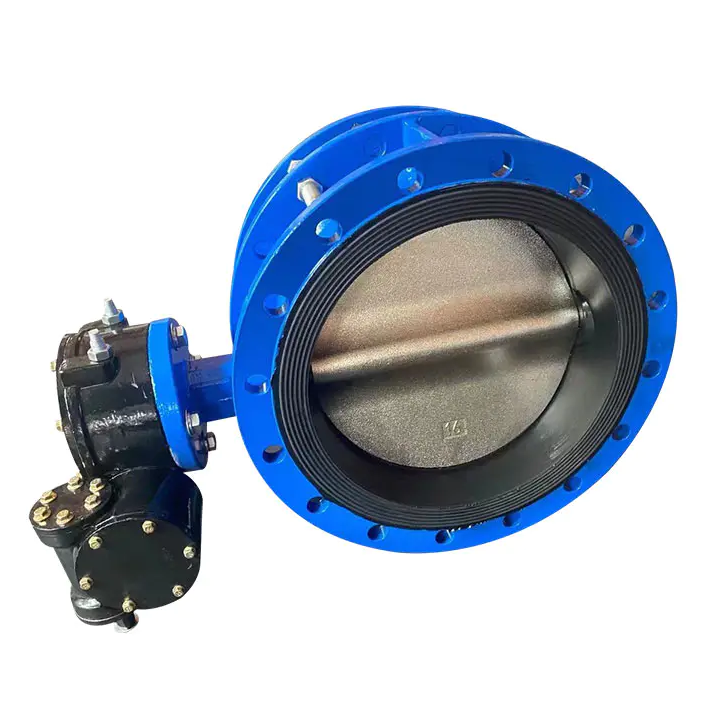
An ANSI Butterfly Valve is a type of quarter-turn valve commonly used in industrial piping systems for regulating flow. Designed according to standards set by the American National Standards Institute (ANSI), this valve ensures compatibility, safety, and reliable operation across a range of industries. Its simple design and efficient flow control make the ANSI Butterfly Valve a practical choice for water treatment, chemical processing, HVAC systems, and more.
Structure and Operation
The main feature of an ANSI Butterfly Valve is its disc, which rotates around a central axis to open or close the flow of fluid. The valve body typically accommodates a resilient seat and stem mechanism, providing a tight seal when closed. By turning the handle or actuator 90 degrees, the disc either blocks or allows flow. This straightforward operation allows the ANSI Butterfly Valve to offer precise control while minimizing the space required compared to other types of valves, such as gate or globe valves.
Advantages Over Other Valve Types
One of the primary advantages of an ANSI Butterfly Valve is its compact and lightweight design. Unlike traditional gate or globe valves, it requires less material and space while maintaining effective flow regulation. The quarter-turn operation enables rapid opening and closing, which is useful in applications where quick response is necessary. Additionally, the ANSI Butterfly Valve is cost-effective and easier to maintain due to its fewer moving parts.
Applications Across Industries
ANSI Butterfly Valve units are widely used across various industrial sectors. In water treatment plants, they regulate water flow and isolate system sections for maintenance. In HVAC systems, they control air and fluid circulation efficiently. Chemical and food processing industries rely on ANSI Butterfly Valve units for handling corrosive or sanitary fluids, depending on the material selection. Their versatility makes them suitable for both low-pressure and moderate-pressure systems.
Material Considerations
The performance of an ANSI Butterfly Valve depends on the materials used for its body, disc, and seat. Common materials include cast iron, stainless steel, and carbon steel for the body, while seats may be made from rubber, PTFE, or metal depending on the application. Selecting the appropriate material ensures that the ANSI Butterfly Valve can handle the operational environment, resist corrosion, and provide long-term reliability.
Installation and Maintenance
Installing an ANSI Butterfly Valve is relatively straightforward due to its wafer or lug design, which allows it to fit between flanges with minimal alignment requirements. Regular maintenance involves checking the disc and seat for wear, lubricating the stem if required, and ensuring the actuator or handle operates smoothly. Routine inspections of the ANSI Butterfly Valve help prevent leaks and maintain optimal performance.
Performance and Operational Factors
Key performance factors for an ANSI Butterfly Valve include pressure rating, temperature tolerance, and flow capacity. ANSI standards provide guidance on dimensions and pressure classifications, ensuring that the valve meets industrial requirements. Understanding these factors is critical when choosing an ANSI Butterfly Valve to ensure it operates safely and efficiently under expected conditions.
Environmental and Safety Considerations
When used in chemical or industrial processes, the ANSI Butterfly Valve must maintain a secure seal to prevent leaks and exposure to hazardous materials. Selecting valves with appropriate seat materials and corrosion-resistant bodies enhances safety and environmental compliance.
An ANSI Butterfly Valve provides an efficient, reliable, and versatile solution for controlling fluid flow in various industrial applications. Its compact design, ease of operation, and adaptability to different pressures and materials make it suitable for water treatment, HVAC, chemical processing, and more. By understanding material selection, installation practices, and operational requirements, engineers and facility managers can ensure that an ANSI Butterfly Valve delivers consistent performance, safety, and durability in demanding systems.

 English
 Kiswahili
 Arabic
 French
 Portuguese
 Deutsch
 Turkish
 Dutch
Dutch
 Italiano
 Russian
 Romaian
 Portuguese (Brazil)
 Greek
Greek
