


Thermal Conductivity of Firefighting Suit Fabric Affects Insulation
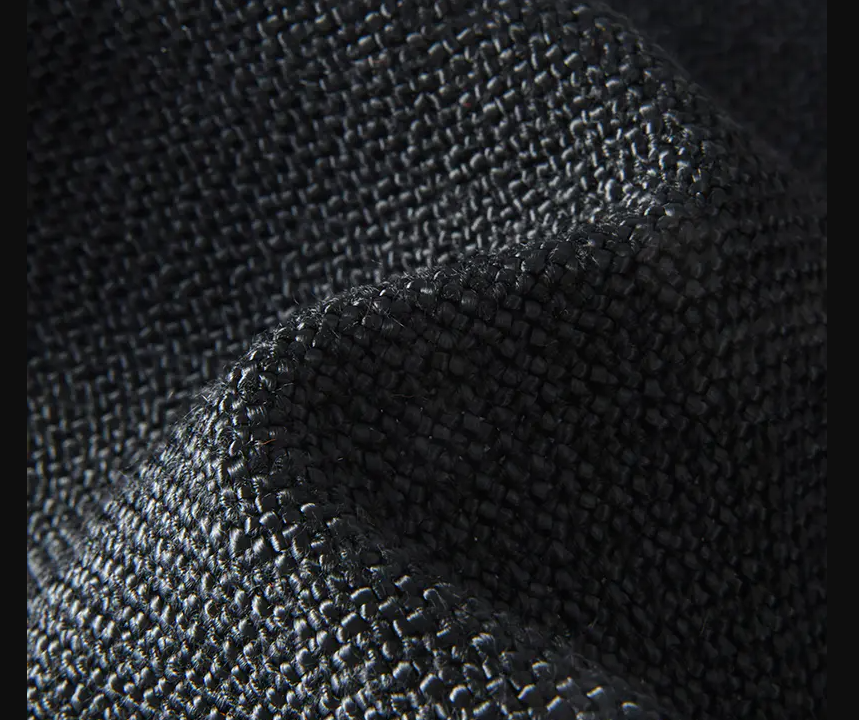
When it comes to protecting firefighters in extreme heat, the firefighting suit fabric plays a critical role in ensuring their safety. One of the most important factors in determining the effectiveness of these suits is the thermal conductivity of the fabric used. Thermal conductivity refers to the material's ability to conduct heat, and understanding how it impacts heat insulation is key to designing a suit that provides both safety and comfort in hazardous environments. This article explores how the thermal conductivity of firefighting suit fabric influences its heat-insulating properties.
What is Thermal Conductivity?
Thermal conductivity is a property that measures how well a material allows heat to pass through it. Materials with high thermal conductivity, such as metals, allow heat to transfer quickly, while materials with low thermal conductivity, like certain fabrics and insulating materials, resist heat transfer. Firefighting suit fabric is specifically designed to have low thermal conductivity, which is essential for keeping firefighters safe in high-heat situations. The lower the thermal conductivity, the better the material is at resisting heat transfer, which in turn improves the suit's ability to protect the wearer from extreme temperatures.
Impact on Heat Insulation
The primary purpose of firefighting suit fabric is to prevent heat from reaching the firefighter's body, especially in situations where they are exposed to flames or intense heat. When a fabric has low thermal conductivity, it acts as an insulator by trapping heat and preventing it from passing through to the wearer. This insulation is achieved by using multiple layers of fabric, each contributing to reducing the amount of heat that is transferred. By minimizing heat flow, the fabric helps to maintain a safer, cooler environment inside the suit, ensuring that the firefighter can perform their duties effectively without being overwhelmed by the heat.
The multi-layer construction of firefighting suit fabric often combines different materials, including aramid fibers, aluminized coatings, and insulating liners. These materials are chosen not only for their resistance to flames but also for their ability to reduce thermal conductivity. Each layer works together to create a barrier that significantly reduces the amount of heat transmitted, keeping the firefighter protected for longer periods in hazardous conditions.
Design Considerations for Heat Protection
Manufacturers of firefighting suit fabric carefully consider the thermal conductivity of the materials used in the suit to ensure optimal heat protection. Factors such as the fabric’s thickness, the type of fiber used, and any additional heat-resistant coatings or treatments all play a role in determining how well the suit performs in high-heat environments. The aim is to create a balance between comfort, mobility, and heat resistance, while maintaining a low thermal conductivity to provide the highest level of protection possible.
The thermal conductivity of firefighting suit fabric is a crucial factor that directly impacts the suit’s ability to insulate and protect against extreme heat. By using materials with low thermal conductivity, manufacturers are able to create firefighting suits that prevent heat from transferring to the wearer, ensuring safety in dangerous, high-heat situations. Understanding the importance of thermal conductivity helps both firefighters and manufacturers recognize the vital role fabric plays in heat protection, allowing for the development of more effective and reliable gear.

 English
 Kiswahili
 Arabic
 French
 Spanish
 Portuguese
 Deutsch
 Turkish
 Italiano
 Russian
 Romaian
 Portuguese (Brazil)
 Greek
Greek
