


Data Storage and Analysis in Commercial Electronic Scales
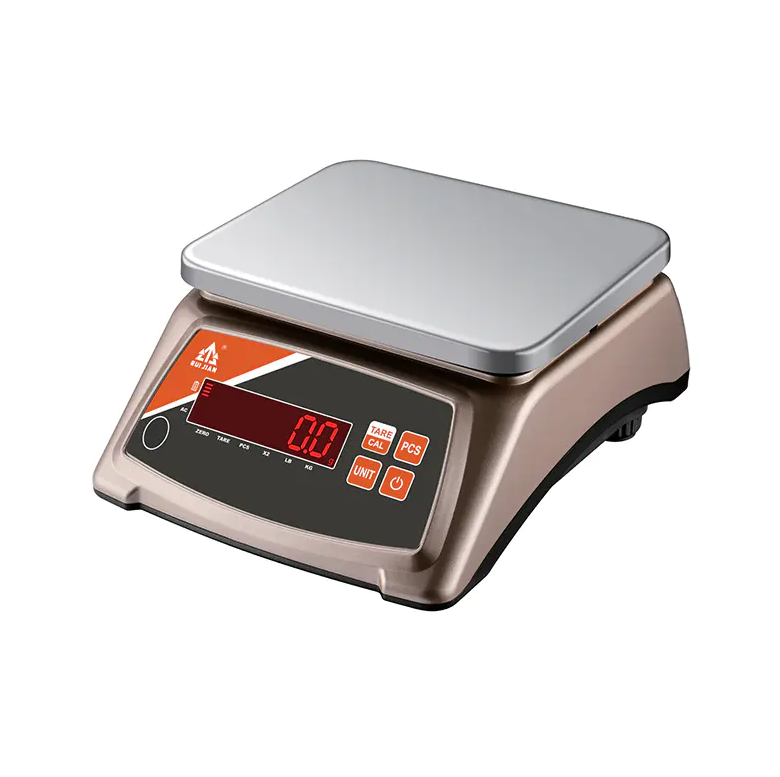
Modern Needs for Data Tracking
A Commercial Electronic Scale is more than just a device for measuring weight. In today’s business environment, accurate data collection and analysis are crucial for inventory management, sales reporting, and operational efficiency. Many modern electronic scales now come equipped with advanced features, including data storage and statistical functions. Understanding how these capabilities work can help businesses optimize their workflow and make informed decisions based on accurate measurements.
Data Storage Capabilities
One of the key advantages of a Commercial Electronic Scale is its ability to store measurement data. This feature allows businesses to keep a digital record of weights, prices, and other relevant metrics. Instead of manually recording each transaction, the scale can automatically save the data for later review. This is particularly useful for businesses that handle large volumes of products, such as supermarkets, warehouses, and shipping centers, where accurate record-keeping is essential. Data can often be stored internally or exported to external devices such as USB drives or connected computers.
Statistical and Analytical Functions
In addition to basic data storage, many commercial electronic scales include statistical and analytical functions. These functions allow users to analyze trends, track inventory changes, and monitor sales performance over time. For example, a scale can calculate total weight, average weight, or the number of items processed during a specific period. Some models even support advanced reporting, generating summaries that can be directly integrated into accounting or inventory software. By leveraging these statistical features, businesses can improve accuracy in pricing, reduce waste, and make data-driven decisions.
Integration with Other Systems
Modern Commercial Electronic Scales often offer compatibility with point-of-sale (POS) systems, databases, and enterprise management software. This integration allows seamless transfer of stored data, ensuring that all records are centralized and easily accessible. For businesses that require compliance with industry regulations or quality standards, having scales that can store and export accurate records simplifies audits and reporting. Integration also helps automate operations, reducing the need for manual input and minimizing errors in data handling.
Benefits for Business Operations
The combination of data storage and statistical functionality in a Commercial Electronic Scale provides several advantages. Businesses can monitor trends, track inventory efficiently, and maintain accurate records without extensive manual work. Employees spend less time on repetitive data entry, freeing them to focus on customer service and other tasks. Additionally, the ability to store and analyze data contributes to transparency and accountability, which can enhance trust with customers and stakeholders.
Enhancing Efficiency Through Smart Features
A Commercial Electronic Scale with data storage and statistical functions offers significant operational benefits. By maintaining accurate digital records, enabling trend analysis, and supporting integration with other systems, these scales help businesses optimize workflow, improve efficiency, and make informed decisions. Investing in a scale with these smart features ensures accurate measurement, effective inventory management, and long-term operational success.

 English
 Arabic
 French
 Spanish
 Portuguese
 Deutsch
 Turkish
 Dutch
Dutch
 Italiano
 Russian
 Romaian
 Portuguese (Brazil)
 Greek
Greek
