


Proper Storage Tips for Lithium Iron Phosphate Batteries
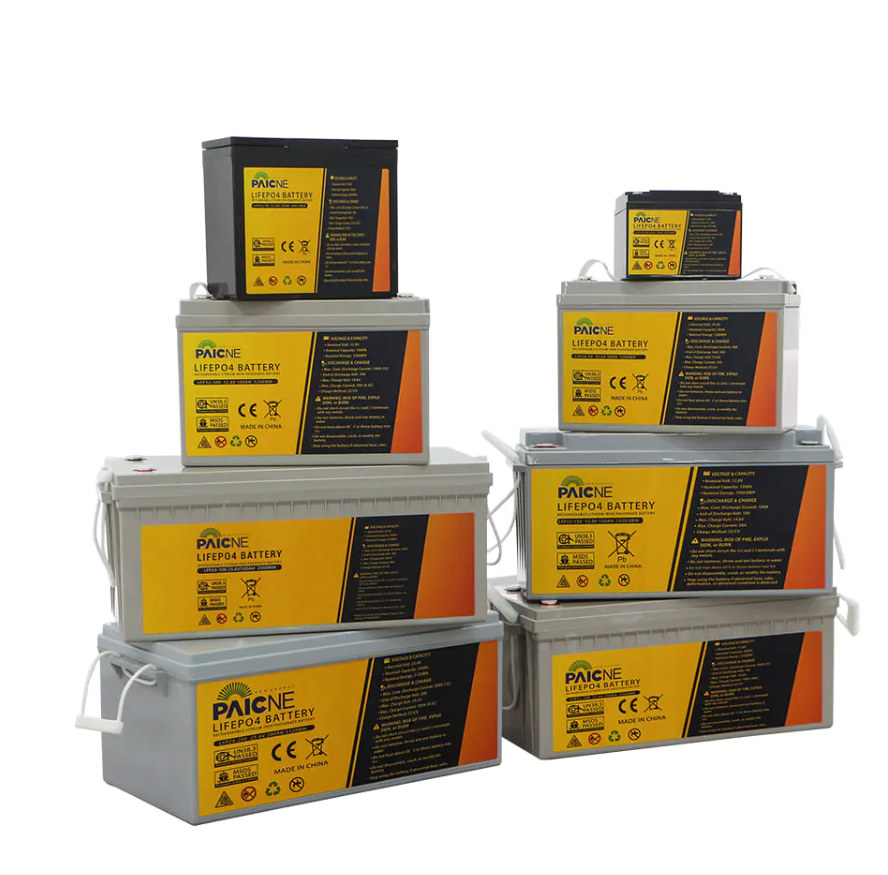
Lithium Iron Phosphate Battery Factory has gained popularity due to its high safety profile, long lifespan, and environmental friendliness. However, like all batteries, they require proper storage to maintain optimal performance and prolong their life. Whether you're storing your Lithium Iron Phosphate Battery for a few weeks or several months, following the right procedures is essential. In this article, we will explore the best practices for storing a Lithium Iron Phosphate Battery and why they matter for its longevity.
1. Charge to the Right Level
Before storing your Lithium Iron Phosphate Battery, it is important to ensure that it is at the correct charge level. For most batteries of this type, storing them at a charge level between 40% and 60% is ideal. This helps prevent the battery from being too fully charged or too empty, both of which can accelerate capacity loss over time.
Storing a Lithium Iron Phosphate Battery that is either completely full or completely discharged can cause the battery to degrade more quickly. Keeping the battery within this optimal charge range ensures that the internal chemistry remains stable and that it remains in good condition for longer.
2. Store in a Cool, Dry Place
Temperature is another critical factor when it comes to storing Lithium Iron Phosphate Batteries. Extreme temperatures, both high and low, can harm the battery’s performance and life cycle. It’s best to store the battery in a cool, dry location, ideally at temperatures between 20°C and 25°C (68°F to 77°F).
Storing the battery in hot environments, such as in direct sunlight or near heat sources, can lead to overheating, which may cause permanent damage. On the other hand, very cold temperatures can reduce the battery's capacity and performance. Storing your Lithium Iron Phosphate Battery at moderate, stable temperatures helps preserve its efficiency over time.
3. Avoid Humid or Damp Environments
Moisture is another enemy of Lithium Iron Phosphate Batteries. High humidity or direct contact with water can cause short-circuiting, corrosion, and other damage to the battery’s terminals. Always store your battery in a dry, well-ventilated space. Avoid placing it in areas prone to moisture, such as basements, bathrooms, or outdoor sheds.
If you plan to store your battery in a location with high humidity, consider placing it in a sealed container with a moisture-absorbing desiccant to help keep the environment dry.
4. Ensure Proper Ventilation
While it’s essential to store your Lithium Iron Phosphate Battery in a dry, cool environment, it’s equally important that the storage area is well-ventilated. This allows any heat generated during storage or minor chemical reactions to dissipate, preventing the battery from overheating or becoming unstable.
Avoid storing batteries in airtight containers that could trap heat or moisture. Instead, ensure that the storage location allows for natural airflow to keep conditions optimal for the battery.
5. Periodic Checks
Even when stored properly, it’s a good idea to check on your Lithium Iron Phosphate Battery periodically. Check the charge level and ensure that it remains within the recommended range of 40-60%. If the charge falls below this level, recharge the battery to the appropriate range. Additionally, inspect the battery for any visible signs of damage or swelling, which could indicate a problem.
Periodically checking on the battery helps ensure that it’s still in good condition and functioning as expected. Regular maintenance also allows you to address any issues before they become severe.
Storing a Lithium Iron Phosphate Battery correctly is crucial to maintaining its longevity and performance. Ensure the battery is charged to an optimal level, store it in a cool, dry, and well-ventilated area, and perform regular checks to ensure everything is in order. By following these simple but effective storage guidelines, you can maximize the lifespan of your Lithium Iron Phosphate Battery and keep it performing at its best.

 English
 Kiswahili
 Arabic
 French
 Spanish
 Portuguese
 Deutsch
 Turkish
 Italiano
 Russian
 Romaian
 Portuguese (Brazil)
 Greek
Greek
