


How to Improve Uniformity in a Color Mixer Machine
Understanding the Importance of Uniform Mixing
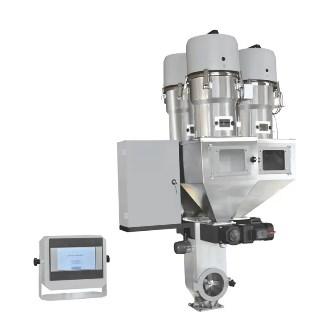
A Color Mixer Machine is essential in many industries, from plastics and coatings to food production, where color consistency is crucial. The machine is designed to blend different colorants or materials evenly, ensuring that the final product has a uniform appearance. However, achieving consistent and uniform mixing is not always straightforward. Factors such as material type, mixing speed, and machine design can all affect the outcome. In this article, we will explore various ways to enhance the mixing efficiency and improve the overall uniformity of a Color Mixer Machine.
Choosing the Right Mixer Design
One of the most important factors influencing the uniformity of mixing is the design of the Color Mixer Machine itself. Machines with a well-thought-out design that ensures efficient material movement are more likely to produce uniform mixtures. A machine with multiple mixing blades, for instance, provides better coverage and improves the consistency of the mix. Furthermore, using machines with adjustable mixing speeds can help optimize the mixing process, depending on the type of material being processed.
Another crucial factor in the design is the size and shape of the mixing drum. A larger drum or vessel allows for more thorough mixing, as it can accommodate larger batches and ensures that the material is adequately moved during the mixing process. Choosing the right design for the type of materials being mixed is essential for achieving the desired level of uniformity.
Controlling Mixing Time and Speed
Mixing time and speed are two critical factors that can significantly impact the uniformity of the mixture. If the mixing time is too short, the materials may not be thoroughly blended, leading to uneven color distribution. On the other hand, if the mixing time is too long, it could result in the degradation of certain components or cause excessive heating, leading to unwanted changes in texture or color.
Adjusting the speed at which the Color Mixer Machine operates is equally important. High mixing speeds can ensure that materials are thoroughly blended in a short amount of time, but they can also cause materials to separate if not carefully monitored. Conversely, slower speeds allow for more controlled mixing, but they can sometimes increase the overall mixing time. Finding the right balance between time and speed based on the material’s characteristics and desired outcomes is key to achieving a consistent mixture.
Using Proper Material Preparation
Material preparation plays a significant role in the uniformity of mixing. For example, pre-dispensing or pre-blending colorants or other components can help reduce inconsistencies during the mixing process. Using finely ground colorants or materials that are free of lumps ensures that the components can blend more effectively within the Color Mixer Machine. If the raw materials are not adequately prepared, even the best mixing machine may struggle to achieve uniformity.
It is also beneficial to control the moisture content of the materials before mixing. Excess moisture can lead to clumping or uneven distribution of colorants, affecting the overall quality of the mixture. Properly drying materials before introducing them to the mixer can help improve mixing results and prevent inconsistencies.
Maintaining Consistent Feeding and Discharge Systems
The way materials are fed into and discharged from the Color Mixer Machine can affect the uniformity of the mix. A consistent and controlled feeding system ensures that all ingredients are added at the right time and in the correct proportions. Automatic feed mechanisms are often used in modern machines to ensure precision.
The discharge process is just as important. If materials are removed from the mixer too quickly or unevenly, it may disrupt the consistency of the mix. Properly designed discharge systems that allow for gradual and uniform removal of the mixture help maintain its quality.
Regular Maintenance and Calibration
Regular maintenance of the Color Mixer Machine ensures that all components are working as they should, which directly impacts mixing efficiency. Over time, wear and tear can affect the blades, motors, or gears, leading to reduced performance and uneven mixing. Periodic inspection and calibration of the machine are essential to prevent such issues and ensure consistent results.
Achieving uniform mixing with a Color Mixer Machine involves a combination of good machine design, controlled mixing time and speed, proper material preparation, consistent feeding and discharge systems, and regular maintenance.

 English
 Kiswahili
 Arabic
 Spanish
 Portuguese
 Deutsch
 Turkish
 Dutch
Dutch
 Italiano
 Russian
 Romaian
 Portuguese (Brazil)
 Greek
Greek
