


Dos and Don’ts After Getting Rhinoplasty in Islamabad
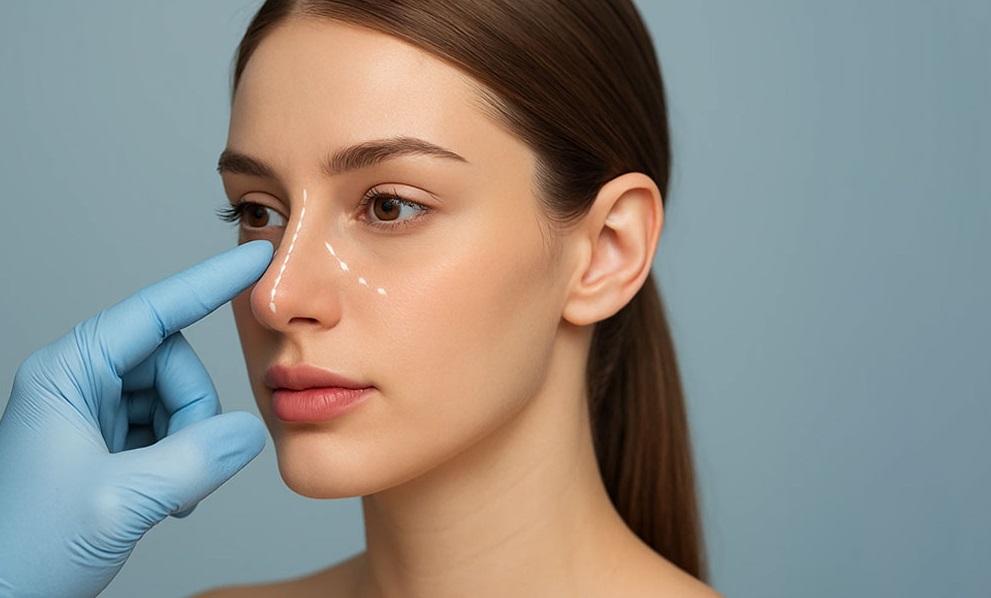
If you have recently undergone Rhinoplasty in Islamabad, proper post-operative care is essential for achieving optimal results. Rhinoplasty, commonly known as a nose job, is a delicate procedure that reshapes the nose to enhance its appearance or improve nasal function. Following the correct dos and don’ts can significantly reduce complications, ensure faster healing, and help maintain the surgical results.
Dos After Rhinoplasty
1. Follow Your Surgeon’s Instructions
One of the most important steps after surgery is to strictly follow your surgeon’s post-operative guidelines. These instructions cover medication schedules, cleaning routines, activity restrictions, and follow-up visits. Adhering to them ensures proper healing and reduces the risk of infection.
2. Keep Your Head Elevated
Elevating your head, especially while sleeping, helps minimize swelling and reduces the risk of fluid buildup. Using multiple pillows or a recliner for the first few days can make a noticeable difference in comfort and recovery speed.
3. Apply Cold Compresses
Cold compresses or ice packs can help manage swelling and bruising around the nose and eyes. Always wrap the ice pack in a cloth to avoid direct contact with the skin, and follow your surgeon’s guidelines regarding duration and frequency.
4. Take Prescribed Medications
Pain and inflammation are normal after rhinoplasty. Your surgeon will provide medications to manage pain, prevent infection, and reduce swelling. Take all medications exactly as prescribed without skipping doses.
5. Keep Your Nose Clean
Proper hygiene is critical for preventing infection. Your surgeon may provide saline sprays or gentle cleaning instructions for the nostrils. Avoid aggressive wiping or inserting anything into the nose during the healing period.
6. Attend Follow-Up Appointments
Regular follow-ups allow your surgeon to monitor healing, remove splints or sutures, and address any complications early. Don’t skip these appointments, even if you feel well.
7. Eat a Healthy Diet
Proper nutrition supports faster healing. Include foods rich in vitamins A, C, and protein, which aid tissue repair. Staying hydrated is equally important for overall recovery.
8. Rest and Avoid Strenuous Activities
Your body requires energy to heal. Avoid heavy lifting, intense exercise, or activities that risk bumping your nose for at least 4–6 weeks. Even mild contact sports should be avoided until your surgeon gives clearance.
9. Protect Your Nose from Sun Exposure
After rhinoplasty, your skin and nasal tissues are sensitive. Direct sunlight can cause discoloration or affect healing. Use a broad-spectrum sunscreen and wear a hat when outdoors.
10. Be Patient
Healing after rhinoplasty is gradual. Swelling can take several months to fully subside, and final results may take up to a year. Patience is key, and frequent comparison with pre-surgery photos may lead to unnecessary anxiety.
Don’ts After Rhinoplasty
1. Don’t Touch or Rub Your Nose
Avoid touching, pushing, or rubbing your nose. Even minor pressure can disrupt surgical adjustments and affect final results. Be especially careful when washing your face, wearing glasses, or sleeping.
2. Don’t Blow Your Nose
Blowing your nose too soon after surgery can lead to bleeding, swelling, or displacement of nasal structures. Wait for your surgeon’s approval before gently clearing your nose if necessary.
3. Avoid Smoking and Alcohol
Smoking reduces blood flow and slows tissue healing, while alcohol can increase swelling and bleeding risk. Refrain from smoking and alcohol consumption for at least a few weeks post-surgery.
4. Don’t Ignore Signs of Infection
Redness, excessive swelling, pus, or persistent pain may indicate infection. Contact your surgeon immediately if you notice any abnormal symptoms instead of self-medicating.
5. Avoid Strenuous Physical Activity
Heavy exercise, bending, or lifting can increase blood pressure and swelling, potentially compromising surgical results. Stick to light activities until your surgeon confirms it is safe to resume regular exercise.
6. Don’t Wear Glasses Directly on the Nose
If you wear glasses, avoid placing them on the bridge of the nose for the first few weeks. Use tape, alternative support, or consult your surgeon for safe options.
7. Avoid Cold or Hot Extremes
Extreme temperatures can cause discomfort or increase swelling. Avoid saunas, hot tubs, or sudden cold exposure during the initial healing period.
8. Don’t Compare Your Nose to Others
Healing varies for each patient. Comparing your results to others or expecting immediate perfection may lead to unnecessary stress. Focus on gradual progress and consult your surgeon for any concerns.
9. Avoid Over-the-Counter Supplements Without Approval
Some supplements can increase bleeding risk or interfere with healing. Always consult your surgeon before taking vitamins or herbal supplements post-surgery.
10. Don’t Rush the Recovery Process
Rushing back to work, social events, or physical activities can jeopardize your results. Give your body time to heal and follow your surgeon’s recommended timeline.
Tips for a Smooth Recovery
-
Use a soft pillow to prevent accidental pressure on the nose
-
Avoid sleeping on your stomach or side; sleep on your back
-
Communicate openly with your surgeon about discomfort or concerns
-
Keep your living space clean to reduce the risk of infection
-
Avoid excessive facial expressions like sneezing or laughing forcefully
FAQs About Rhinoplasty Recovery in Islamabad
1. How long does swelling last after rhinoplasty?
Mild swelling may last 2–3 weeks, but subtle swelling can persist for several months. Final results are usually visible within 6–12 months.
2. Can I wear makeup after rhinoplasty?
Makeup can be applied after your surgeon approves it, usually after 2–3 weeks. Avoid heavy pressure on the nose during the initial healing phase.
3. When can I return to work?
Most patients resume light work within 1–2 weeks, depending on swelling and discomfort. Avoid jobs with physical strain until fully cleared by your surgeon.
4. Is it normal to experience numbness?
Yes, temporary numbness or tingling around the nose is common and usually resolves as nerves heal.
5. Can I exercise after rhinoplasty?
Strenuous exercise should be avoided for 4–6 weeks. Light walking is usually safe after a few days but confirm with your surgeon.
6. How can I minimize bruising?
Cold compresses, keeping your head elevated, and following your surgeon’s instructions help reduce bruising. Avoid blood-thinning medications unless approved.
Proper care after rhinoplasty ensures not only a smooth recovery but also long-lasting and natural results. By following these dos and don’ts, patients can minimize complications, reduce swelling, and protect their investment in their appearance. For expert guidance and professional post-operative care, SKN Cosmetics in Islamabad provides experienced surgeons, personalized plans, and advanced surgical techniques to help you achieve the best results safely.

 English
 Arabic
 French
 Spanish
 Portuguese
 Deutsch
 Turkish
 Dutch
Dutch
 Italiano
 Russian
 Romaian
 Portuguese (Brazil)
 Greek
Greek
