


Comprehensive Guide to Building Inspection Services
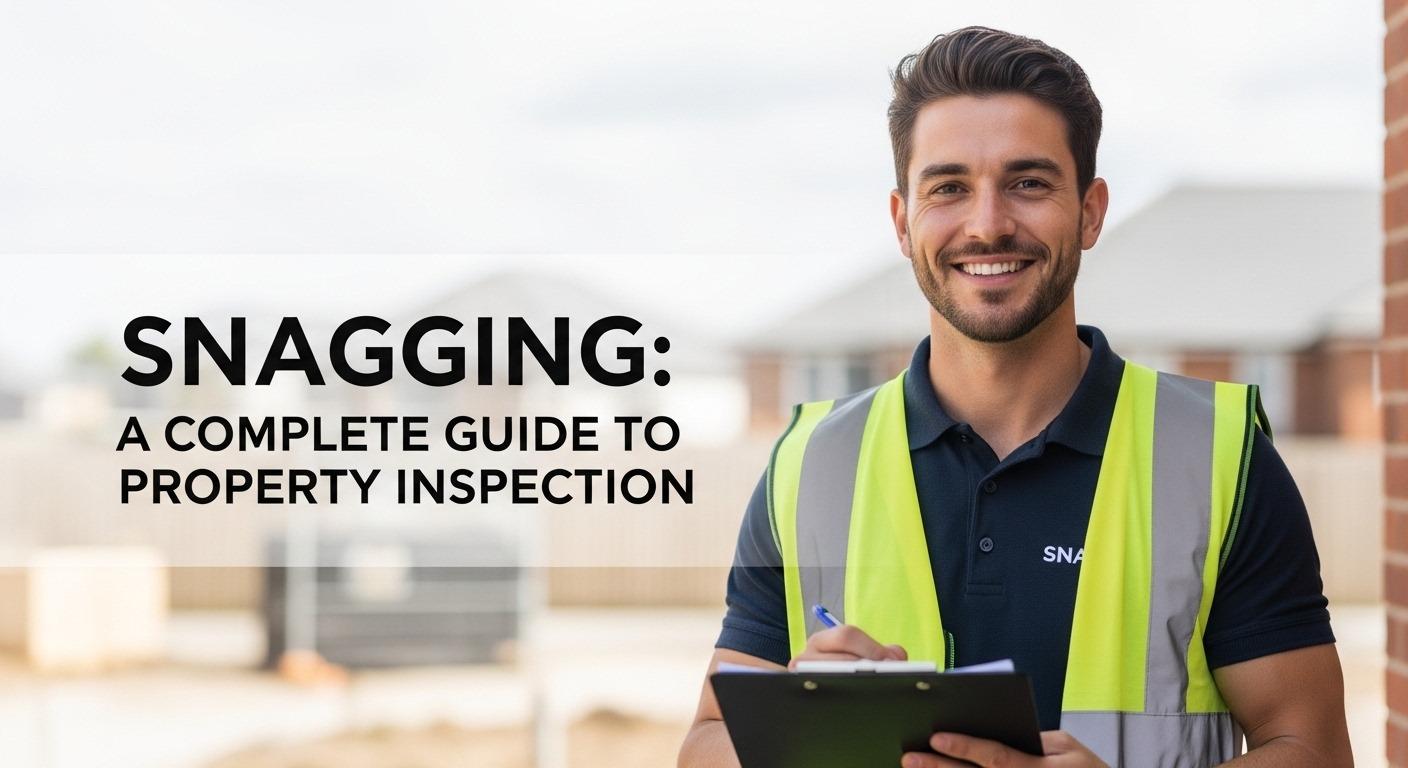
A building inspection is a crucial process for anyone involved in buying, selling, or maintaining a property. Whether you are a homeowner, investor, or property manager, understanding the condition of a building can help prevent costly repairs and ensure safety. Building inspections provide a detailed evaluation of the structure, systems, and overall condition of a property.
What is a Building Inspection?
A building inspection involves a professional assessment of a property's condition. It covers both the visible and structural aspects, as well as mechanical and electrical systems. The purpose is to identify any issues or potential risks that could affect the safety, functionality, or value of the building. Inspections are typically conducted by certified inspectors who have expertise in construction, engineering, and property standards.
Why is Building Inspection Important?
Building inspections are important for several reasons:
-
Safety Assurance: Identifying structural weaknesses, fire hazards, or electrical issues helps prevent accidents.
-
Financial Protection: Early detection of problems can save significant repair costs in the future.
-
Informed Decisions: Buyers or investors can make educated decisions based on the actual condition of the property.
-
Maintenance Planning: Homeowners can schedule preventive maintenance to prolong the life of the building.
By conducting a thorough inspection, property owners can have confidence in the safety and reliability of their investment.
Key Areas Covered in a Building Inspection
A comprehensive building inspection includes multiple aspects of a property. Some of the main areas include:
-
Structural Integrity: Foundations, walls, beams, and roofs are examined for signs of damage, cracks, or instability.
-
Plumbing Systems: Inspectors check pipes, faucets, drains, and water heaters for leaks, corrosion, and proper functioning.
-
Electrical Systems: Wiring, outlets, panels, and safety switches are evaluated to ensure compliance with safety standards.
-
Roof and Exterior: Roof materials, gutters, windows, doors, and external walls are assessed for wear and damage.
-
Interior Spaces: Floors, ceilings, walls, and insulation are inspected for defects or potential health hazards.
-
HVAC Systems: Heating, ventilation, and air conditioning systems are examined for efficiency and safety.
This thorough approach ensures that no critical issues are overlooked during the inspection.
When Should You Schedule a Building Inspection?
A building inspection is beneficial at various stages of property ownership or management:
-
Before purchasing a property to understand its condition and potential repairs.
-
Before selling a property to identify and address issues that could affect its value.
-
During regular maintenance to catch problems early and maintain property quality.
-
After natural events like storms or floods to check for hidden damage.
Scheduling inspections at the right time can prevent unexpected problems and ensure peace of mind for property owners.
Benefits of Professional Building Inspection
Hiring a professional for a building inspection provides several advantages:
-
Expert Analysis: Professionals have knowledge of building codes and standards to detect even subtle issues.
-
Detailed Reports: Inspectors provide comprehensive reports with findings, photos, and recommendations.
-
Negotiation Power: For buyers, a building inspection report can serve as a tool to negotiate repairs or pricing.
-
Legal Protection: Inspections may help in legal matters by documenting the building’s condition at a specific time.
Investing in professional inspections is a proactive way to maintain property value and safety.
Common Issues Found During Building Inspections
Building inspections often uncover common issues that can affect property value or safety:
-
Water leaks or plumbing problems
-
Structural cracks or foundation issues
-
Faulty electrical wiring or outdated systems
-
Roof damage, missing tiles, or poor drainage
-
Pest infestations or mold growth
Early detection of these problems allows owners to take corrective actions before they escalate.
Frequently Asked Questions (FAQs)
What is the difference between a building inspection and a home inspection?
A building inspection focuses on the structural and safety aspects of a property, while a home inspection may also include general maintenance checks and cosmetic features.
How long does a building inspection take?
The duration varies depending on the size and complexity of the property, but a thorough inspection generally takes a few hours to complete.
Do I need to be present during the inspection?
While it is not mandatory, being present allows you to ask questions, understand the findings, and get advice directly from the inspector.
Can a building inspection uncover hidden defects?
Yes, professional inspectors are trained to identify both visible and concealed defects that may not be apparent to untrained eyes.
How often should I have a building inspection?
Regular inspections are recommended, especially for older properties or before major transactions, to maintain safety and property value.
Conclusion
A building inspection is an essential step for anyone involved in property ownership or investment. It ensures safety, helps in making informed decisions, and protects against unexpected expenses. By understanding the condition of a property and addressing issues early, homeowners and investors can secure the longevity and value of their investment.
Regular building inspections, conducted by certified professionals, provide peace of mind and confidence that a property is structurally sound, safe, and well-maintained. Whether buying, selling, or managing a property, a building inspection is an indispensable tool in property management and decision-making.

 English
 Kiswahili
 Arabic
 French
 Spanish
 Portuguese
 Deutsch
 Turkish
 Dutch
Dutch
 Italiano
 Romaian
 Portuguese (Brazil)
 Greek
Greek
