


Boiling Water Impact on Anti-Drying Kettle Coupler Performance
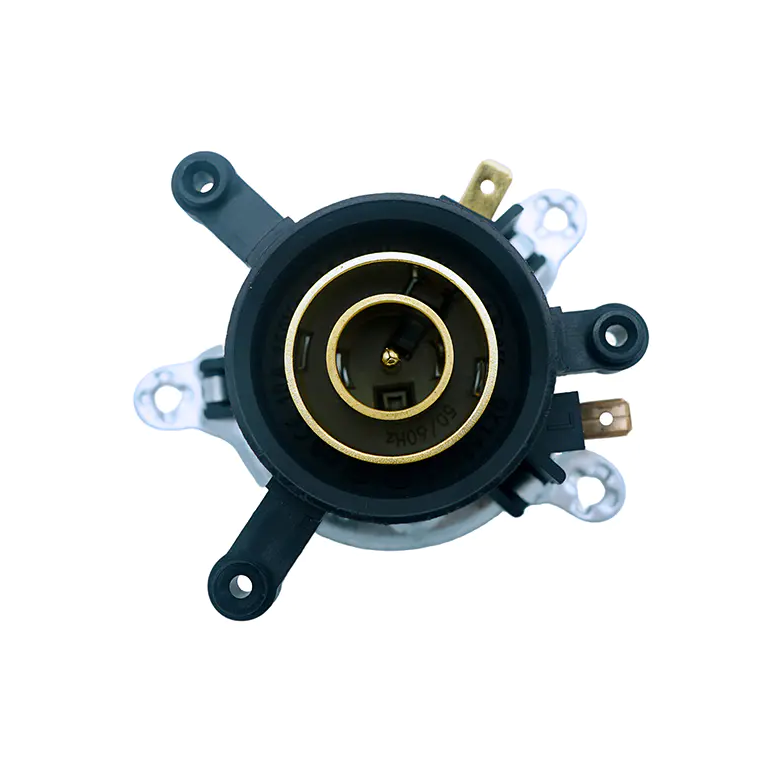
Introduction to High-Pressure and Thermal Challenges
Electric kettles operate under high temperature and sometimes elevated pressure conditions, particularly during rapid boiling. The Anti-Drying Kettle Coupler is a critical component that connects the heating element to the water container while preventing dry burning. Its ability to withstand high-pressure situations and direct exposure to boiling water is essential for both safety and longevity of the kettle.
Material Strength and Thermal Resistance
The durability of the coupler under extreme conditions depends on the materials used. High-quality couplers are typically made of heat-resistant polymers or metals that can tolerate temperatures well above the boiling point. These materials also provide sufficient mechanical strength to endure sudden pressure surges when water rapidly turns to steam. Manufacturers of Anti-Drying Kettle Couplers carefully select and test materials to ensure they resist cracking, warping, or deformation under thermal and pressure stress.
Design Features for Pressure Management
Beyond material, the coupler’s design directly influences its ability to withstand high-pressure conditions. Reinforced walls, integrated seals, and secure attachment points help distribute mechanical stress and prevent leaks. The structure must accommodate expansion of the water and internal steam pressure without compromising integrity. Properly engineered couplers can handle rapid pressure changes during boiling while maintaining a reliable seal, reducing the risk of accidents or water leakage.
Impact of Boiling Water on Coupler Longevity
Repeated exposure to boiling water can challenge the coupler’s thermal and mechanical stability. Heat cycles may cause minor expansion and contraction, which can accumulate over time. High-quality Anti-Drying Kettle Coupler designs mitigate these effects by using materials with low thermal fatigue and high resilience, ensuring long-term durability even with frequent boiling. Regular inspection and maintenance, such as cleaning and checking seals, also help maintain performance.
Safety Considerations
The primary role of the coupler is safety. If a coupler fails under high-pressure conditions, it could lead to leaks, scalding hazards, or damage to the kettle. By designing for both thermal and pressure resistance, manufacturers ensure that the Anti-Drying Kettle Coupler prevents these risks while maintaining effective water flow and heating performance. Safety-focused engineering balances durability with functionality to protect users.
Testing and Quality Assurance
Manufacturers typically perform rigorous testing to simulate extreme operating conditions, including high-pressure boiling and prolonged heat exposure. These tests verify that the coupler can endure rapid temperature changes, internal water pressure, and repeated use without failure. Quality assurance ensures that each Anti-Drying Kettle Coupler meets safety and durability standards before it reaches consumers.
Conclusion
The Anti-Drying Kettle Coupler is engineered to withstand high-pressure conditions and the impact of boiling water, combining robust materials, reinforced design, and careful testing. This ensures both safety and longevity, allowing kettles to operate efficiently without risk of leaks, deformation, or failure. By focusing on thermal and pressure resilience, manufacturers deliver reliable components that protect users and maintain optimal kettle performance over time

 English
 Kiswahili
 Arabic
 French
 Spanish
 Portuguese
 Deutsch
 Turkish
 Dutch
Dutch
 Italiano
 Russian
 Portuguese (Brazil)
 Greek
Greek
