


How to Select Rubber Adhesive for Best Bond
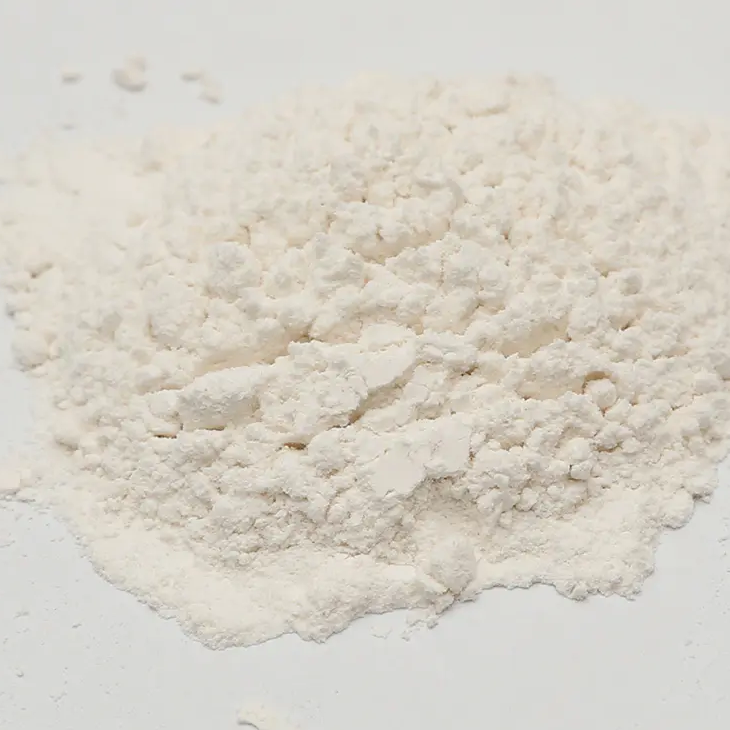
Introduction to Rubber Adhesive Agents
A Rubber Adhesive Agent is an essential product used to bond rubber materials in industrial and consumer applications. Its effectiveness depends on the type of rubber, the surface conditions, and the intended use of the final product. Selecting the appropriate adhesive ensures strong, durable, and reliable bonds, which are crucial for products ranging from tires and footwear to hoses, seals, and industrial rubber components. Understanding the key factors in adhesive selection helps manufacturers and users achieve optimal performance.
Consider the Type of Rubber
Different types of rubber have distinct chemical compositions and surface characteristics, which influence the adhesive choice. Natural rubber, nitrile rubber, silicone rubber, and polyurethane rubber, for example, each interact differently with bonding agents. Some adhesives are formulated for polar rubbers, while others work better with non-polar types. Matching the adhesive to the specific rubber material ensures maximum wetting, proper curing, and a strong chemical and mechanical bond.
Evaluate Surface Conditions
The condition of the bonding surfaces is a critical factor in achieving effective adhesion. Clean, dry, and smooth surfaces typically yield better bonding results. Contaminants such as dust, oils, and mold release agents can interfere with the adhesive's performance. In some cases, surface treatments like sanding, priming, or chemical etching may be required to enhance adhesion. A proper assessment of the substrate helps in selecting a Rubber Adhesive Agent that can overcome surface challenges.
Consider Environmental and Performance Requirements
The operational environment of the bonded rubber product also influences adhesive selection. Factors such as temperature fluctuations, exposure to moisture, chemicals, or UV light, and mechanical stresses determine which adhesive formulation is appropriate. Heat-resistant or chemical-resistant adhesives are often required in industrial applications, while flexible adhesives may be needed for dynamic or elastic rubber parts. Choosing an adhesive that matches these environmental and performance requirements ensures long-term durability and reliability.
Assess Application Methods
Different adhesives have varying application methods, including brushing, spraying, dipping, or roll coating. Some adhesives require mixing or curing under specific conditions, such as heat or pressure. Understanding the production process and selecting an adhesive compatible with the application method is essential for consistent and efficient bonding.
Test and Verify
Before full-scale production, small-scale testing of the selected Rubber Adhesive Agent is recommended. Testing allows observation of bond strength, curing time, flexibility, and resistance to stress or chemicals. Adjustments to the adhesive type, thickness, or surface preparation can be made based on these results, ensuring optimal performance for the final product.
Choosing the right Rubber Adhesive Agent involves considering the type of rubber, surface conditions, environmental requirements, and application methods. Careful evaluation and testing ensure strong, durable bonds, enhancing the quality and longevity of rubber products. By following these guidelines, manufacturers can achieve reliable adhesion, reduce waste, and improve overall production efficiency.

 English
 Arabic
 French
 Spanish
 Portuguese
 Deutsch
 Turkish
 Dutch
Dutch
 Italiano
 Russian
 Romaian
 Portuguese (Brazil)
 Greek
Greek
