


Carbide Rotary Burs: Enhancing Material Removal Speed
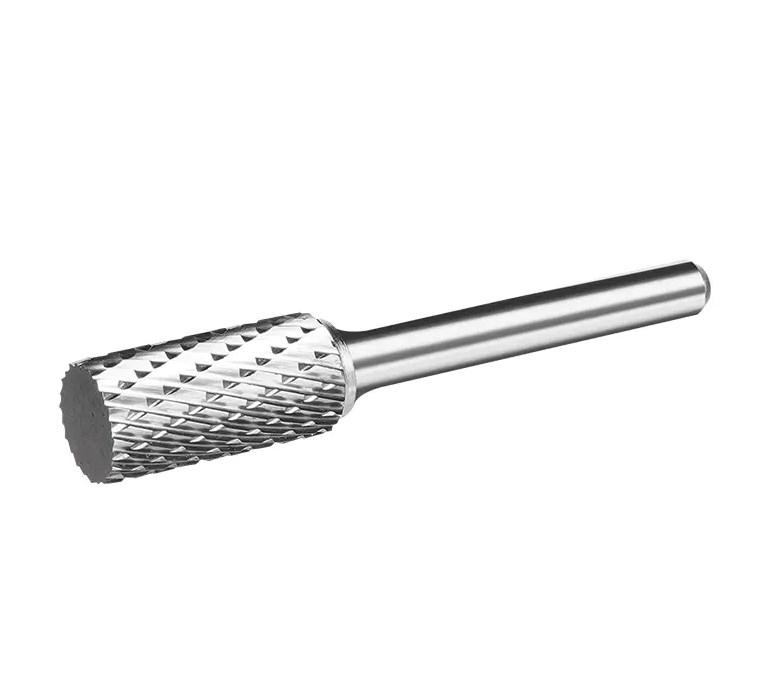
Introduction to Carbide Rotary Burs Efficiency
Carbide Rotary Burs are widely used in metalworking, woodworking, and precision crafting due to their exceptional hardness and cutting ability. One of the most critical performance metrics for these tools is cutting efficiency, which determines how quickly and smoothly material can be removed. Understanding the factors that influence efficiency helps operators select the right burs, improve productivity, and ensure consistent results in high-demand applications.
Material Hardness and Its Impact
The efficiency of carbide rotary burs is highly dependent on the material being processed. Harder materials, such as stainless steel or hardened alloys, require burs with higher toughness and sharper cutting edges to maintain consistent cutting speed. Softer metals, plastics, and composites allow the burs to operate at higher speeds without excessive wear. The ability of the carbide to withstand abrasion and retain a sharp edge directly contributes to overall cutting efficiency, reducing downtime caused by frequent tool replacement.
Bur Design and Geometry
The design and geometry of the bur significantly influence cutting performance. Factors such as the shape of the cutting head, the flute pattern, and the angle of the teeth affect material removal rates. For instance, a bur with a coarse grit and aggressive flute pattern will remove material faster but may produce a rougher finish. Conversely, a finer-grit bur provides smoother results but slower cutting. Selecting the appropriate geometry for the specific application ensures optimal efficiency without compromising precision or surface quality.
Speed and Feed Rate Considerations
Rotational speed and feed rate are crucial factors for achieving high efficiency with carbide rotary burs. Higher RPM settings generally increase material removal rates, but excessive speed can generate heat, cause premature wear, or damage sensitive materials. Feed rate must be carefully balanced to allow the bur to cut effectively without overloading the tool. Advanced machines often allow operators to adjust speed and feed precisely, ensuring maximum cutting efficiency while preserving tool life.
Cooling and Lubrication
Efficient heat management plays a key role in maintaining cutting efficiency. High temperatures can dull carbide burs rapidly and reduce their ability to cut effectively. Using proper cooling methods, such as air or liquid lubrication, helps maintain the bur’s sharpness, reduces friction, and prevents thermal damage to both the tool and the workpiece. Regular monitoring of temperature during high-speed operations ensures that burs remain at peak efficiency over extended production cycles.
Maintenance and Tool Longevity
Regular maintenance is essential to sustain cutting efficiency. Inspecting burs for wear, cleaning accumulated debris, and replacing damaged tools prevent reductions in cutting speed and quality. Even a small amount of wear can decrease efficiency significantly, as the tool must exert more force to remove material. By maintaining a sharp, clean cutting edge and ensuring proper alignment in the rotary tool system, operators can achieve consistently high efficiency while extending the overall lifespan of the burs.
The cutting efficiency of Carbide Rotary Burs is influenced by material hardness, bur design, speed and feed rate, cooling, and proper maintenance. Understanding these factors allows operators to optimize performance, reduce downtime, and achieve high-quality results consistently. By selecting the right burs for specific applications, adjusting operational parameters carefully, and implementing proper tool care, manufacturers and craftsmen can maximize productivity and make the most of these versatile precision tools.

 English
 Kiswahili
 Arabic
 French
 Spanish
 Portuguese
 Deutsch
 Turkish
 Italiano
 Russian
 Romaian
 Portuguese (Brazil)
 Greek
Greek
