


How Water Level Switch Ensures Accurate Liquid Control
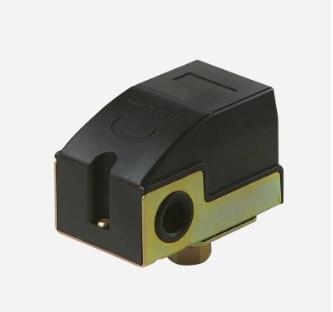
Introduction to Water Level Switch
A Water Level Switch is an essential device used to monitor and control the level of liquids in tanks, reservoirs, and industrial systems. It ensures that water or other fluids do not exceed a certain limit or fall below a minimum threshold. By providing automated detection and control, a Water Level Switch prevents overflow, dry running, and equipment damage, making it a critical component in water management and process control systems.
Types of Water Level Switches
Water Level Switches come in various types, including float, optical, capacitive, and ultrasonic models. Float-type switches use a buoyant float to detect liquid levels mechanically. Optical and capacitive switches rely on changes in light reflection or capacitance to sense the presence of water. Ultrasonic water level switches emit sound waves to measure the distance to the liquid surface. Each type offers specific advantages depending on the application, tank size, and liquid properties.
Working Principle of Water Level Switch
The operation of a Water Level Switch depends on its design. Float-type switches work by moving a float with the water level, which triggers a mechanical or magnetic switch. Optical switches detect changes in light refraction when the liquid touches the sensor tip. Capacitive switches sense changes in capacitance caused by the presence of liquid, while ultrasonic switches measure the time taken for sound waves to reflect from the liquid surface. These mechanisms provide precise monitoring and automated control of liquid levels.
Applications of Water Level Switch
Water Level Switches are widely used in domestic, commercial, and industrial settings. In households, they prevent overflow in water tanks and manage pumps. In industries, they are used for cooling systems, chemical processing, and boiler management. The device is also common in wastewater treatment plants to maintain safe water levels. By ensuring accurate liquid control, a Water Level Switch protects equipment, reduces maintenance costs, and enhances operational safety.
Installation and Maintenance
Proper installation is essential for the reliable operation of a Water Level Switch. The device should be placed at the desired high or low water points, considering factors such as tank shape, liquid type, and flow turbulence. Regular maintenance, such as cleaning and inspection, ensures consistent performance and prevents sensor fouling. Following manufacturer guidelines helps maximize the lifespan and efficiency of the Water Level Switch.
Advantages of Using a Water Level Switch
The key benefits of a Water Level Switch include automated monitoring, prevention of overflows and dry runs, and improved safety for both equipment and personnel. It provides real-time alerts and integrates easily with pumps, alarms, and control systems. With high accuracy and reliability, a Water Level Switch reduces manual intervention, enhances operational efficiency, and is suitable for a wide range of liquids and environmental conditions.
Conclusion
A Water Level Switch is a vital component for monitoring and controlling liquid levels in various applications. By selecting the appropriate type, installing it correctly, and performing regular maintenance, users can ensure precise, safe, and efficient liquid management. With its automation capabilities and reliability, a Water Level Switch remains an indispensable tool in domestic, commercial, and industrial water control systems.

 English
 Kiswahili
 Arabic
 French
 Spanish
 Portuguese
 Deutsch
 Dutch
Dutch
 Italiano
 Russian
 Romaian
 Portuguese (Brazil)
 Greek
Greek
