


Optimizing Non-Woven Bag Handles for User Comfort
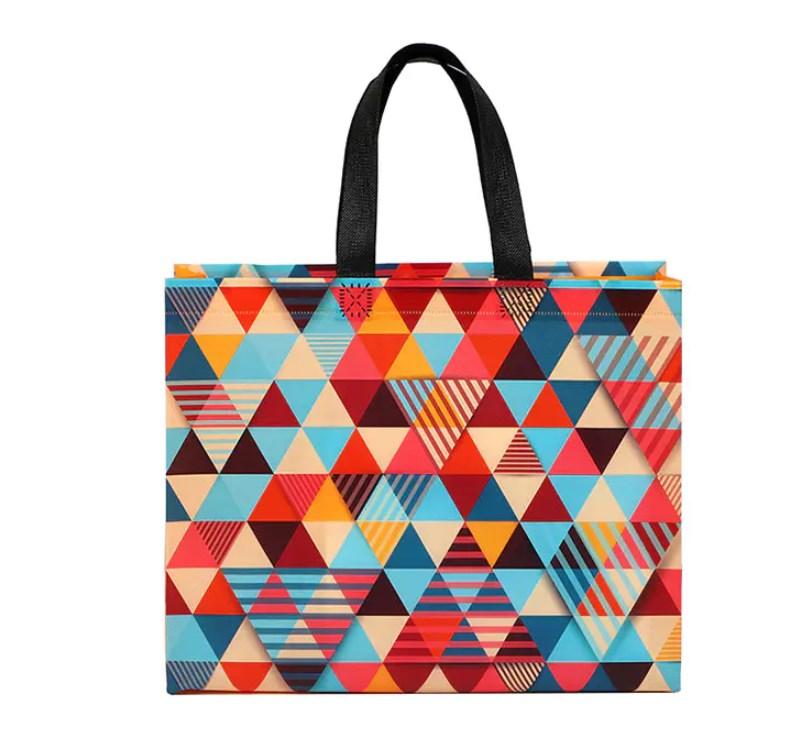
Introduction to Non-Woven Shopping Bags and Handle Comfort
Non-Woven Shopping Bags are widely used due to their durability, reusability, and environmental benefits. While the material provides strength, the handle design plays a crucial role in user comfort. Poorly designed handles can cause hand strain, discomfort, or even injury during extended use, while ergonomic handles enhance usability and promote repeated usage. Manufacturers carefully consider handle length, width, and material to optimize comfort for various carrying scenarios.
Handle Length and Placement
The length of the handles directly affects how the bag is carried. Short handles require hand or fist carrying, concentrating weight on the fingers and palm, which can cause discomfort when carrying heavier items. Longer handles allow the bag to be carried over the shoulder, distributing weight across a larger area of the body and reducing strain. Proper placement of handles, attached symmetrically to the bag, ensures even load distribution and prevents twisting or slipping during use.
Handle Width and Material
Wider handles spread the pressure over a larger surface area, reducing the likelihood of hand fatigue or indentations. Thin handles, while economical, can dig into the skin when the bag is heavily loaded, causing discomfort. Additionally, the material of the handle matters; soft, non-abrasive, or padded materials increase comfort and reduce friction. Some Non-Woven Shopping Bags incorporate reinforced stitching or laminated layers in the handles to balance durability with user comfort.
Shape and Ergonomics
Ergonomic handle designs consider the natural grip of the hand and the carrying posture. Rounded or tubular handles conform more naturally to the fingers, while flat or reinforced handles provide stability and prevent stretching. Handle shape can also affect the ease of placing items in or removing them from the bag, indirectly influencing comfort during repetitive use. Ergonomically designed handles allow users to carry the bag longer without discomfort.
Load Distribution and Bag Weight
The handle design also interacts with the overall weight of the bag and its contents. Non-Woven Shopping Bags with reinforced handles and strategic attachment points distribute load evenly, reducing the stress on both the hands and the bag material. When combined with lightweight bag construction, this design reduces strain and improves the perceived comfort of carrying even moderately heavy groceries or products.
Durability and Comfort Balance
While comfort is essential, handles must remain strong enough to support the intended load. Manufacturers must balance ergonomic considerations with durability. Reinforced stitching, high-quality non-woven fabric, and appropriate handle width all contribute to long-term usability. Bags that fail due to weak handles compromise both safety and comfort, highlighting the importance of integrated design.
Conclusion
The handle design of Non-Woven Shopping Bags significantly influences user comfort by affecting load distribution, grip, and carrying posture. Proper handle length, width, material, and ergonomic shaping all contribute to reduced hand fatigue and improved usability. By optimizing handle design alongside bag strength and durability, manufacturers can create non-woven shopping bags that are both practical and comfortable for daily use, encouraging repeated adoption and environmental benefits.
Colour: Various colours
Pattern: Customizable
Width:5cm~60cm
Length: Customizable
Thickness: 0.08mm-1.2mm (customisable)
Material: Non-woven
Process: Die-cutting
Application: Clothing, food, daily necessities, cosmetics, cultural products, etc.

 English
 Arabic
 French
 Spanish
 Portuguese
 Deutsch
 Turkish
 Dutch
Dutch
 Italiano
 Russian
 Romaian
 Portuguese (Brazil)
 Greek
Greek
