


The Quiet Confidence Behind Everyday Wig Choices
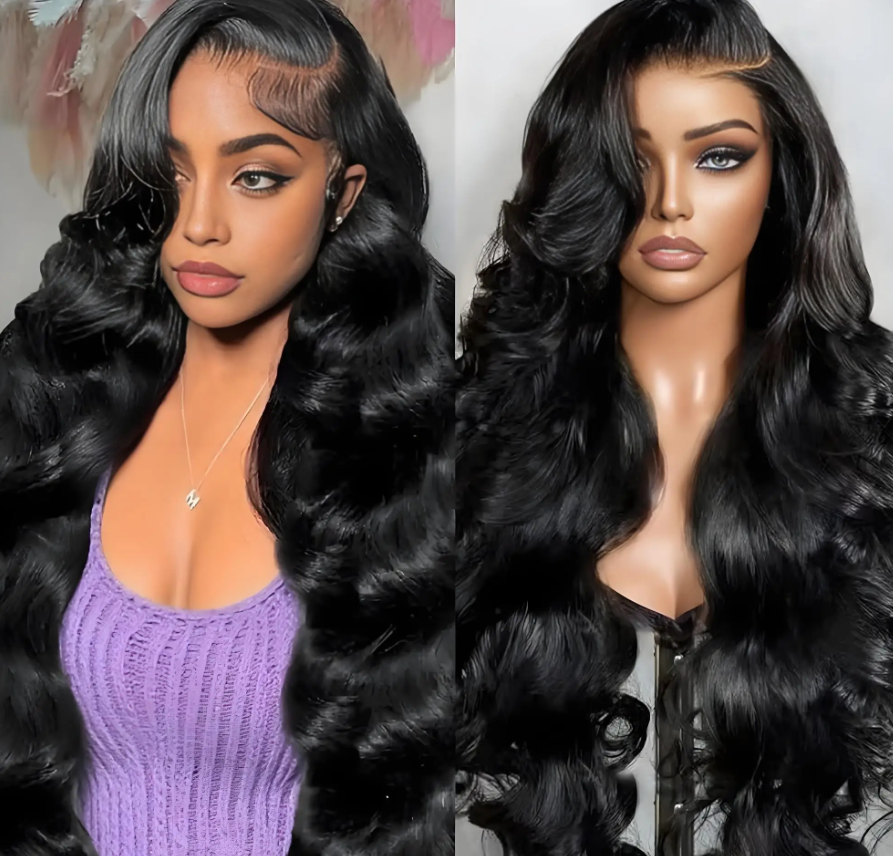
Choosing a wig is often less about fashion statements and more about comfort, identity, and routine. For many people, affordable human hair wigs fit into daily life as practical solutions rather than luxury items. They are used to maintain a familiar appearance, manage hair loss, or simply reduce the time spent styling natural hair. This quiet practicality is what makes them part of everyday decisions rather than occasional purchases.
Human hair wigs stand out because they behave much like natural hair. They react to humidity, hold styles realistically, and age over time. This natural behavior allows wearers to integrate them into daily routines without feeling overly conscious about their appearance. For professionals, students, or caregivers, this reliability matters more than trends or labels.
Another aspect often overlooked is emotional comfort. Hair is tied closely to personal identity, and changes to it can feel disruptive. Wigs provide continuity. They allow people to present themselves in a way that feels consistent, especially during periods of medical treatment, stress, or major life changes. In such cases, the value of a wig is measured in confidence rather than cost.
Maintenance also plays a role in long-term satisfaction. Unlike synthetic options, human hair requires care similar to natural hair: gentle washing, conditioning, and thoughtful storage. While this may seem demanding, many users appreciate the familiarity. The process becomes routine, not a burden, and adds to the sense of normalcy.
Cultural and social factors influence wig choices as well. In many communities, wigs are not hidden accessories but accepted tools for self-presentation. Conversations around wigs have shifted from secrecy to practicality. People now openly discuss fit, density, and upkeep, treating wigs as functional items rather than disguises.
Fit and construction are equally important. Cap design, ventilation, and weight determine whether a wig can be worn comfortably for long hours. A well-fitted wig reduces scalp irritation and helps the wearer move freely through their day without constant adjustment. These details often matter more than visual flair.
Over time, wearers develop preferences based on lifestyle needs. Some prioritize lightweight designs for daily use, while others focus on durability for frequent styling. These decisions are rarely impulsive; they reflect lived experience and personal priorities.
In the end, human hair wigs serve as quiet companions in everyday life. They support routines, preserve confidence, and adapt to individual needs without demanding attention.

 English
 Kiswahili
 Arabic
 French
 Spanish
 Portuguese
 Deutsch
 Turkish
 Dutch
Dutch
 Italiano
 Russian
 Romaian
 Portuguese (Brazil)
