


How Egg Trays Save Storage Space
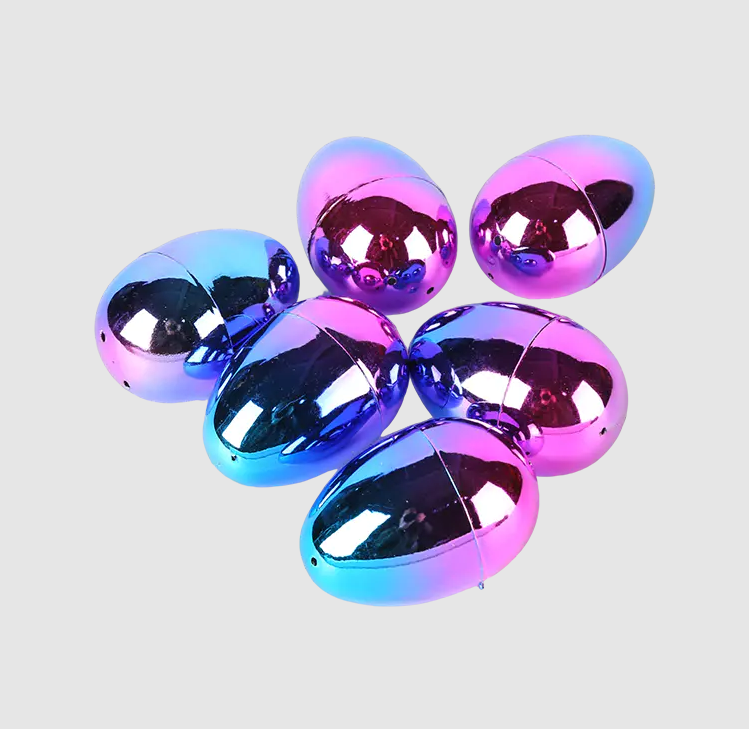
Overview of Plastic Easter Egg Trays
A Plastic Easter Egg Tray is a convenient container designed to hold and organize decorative or edible Easter eggs. These trays are commonly used during seasonal celebrations, egg hunts, or as storage solutions for craft projects. One of the key considerations for users is how well these trays can be stacked, as efficient stacking directly impacts storage space, transportation ease, and overall organization. The design and material of the tray influence both its stability when stacked and its ability to optimize space.
Stackable Design Features
Plastic Easter Egg Trays are often designed with features that enable stable stacking. Raised edges, recessed bottoms, and interlocking notches allow trays to fit securely on top of one another without slipping. Some trays have tapered sides so that multiple units nest together, minimizing the vertical space needed when empty. The spacing between egg compartments and tray edges also contributes to stability, preventing trays from tilting or sliding when stacked. These design elements ensure that users can compactly store multiple trays while maintaining the safety of the eggs inside.
Material Considerations for Stacking
The type of plastic used in the tray impacts stacking performance. Durable plastics such as polypropylene (PP) or high-density polyethylene (HDPE) provide enough rigidity to support weight when multiple trays are stacked. Thin or brittle plastics may bend under the load of additional trays, increasing the risk of tipping or cracking. Reinforced trays with thicker walls or ribbed bases distribute weight more evenly, allowing higher stacking without compromising tray integrity. Material quality, combined with thoughtful design, ensures both durability and efficient space utilization.
Space Optimization and Storage Benefits
One of the primary advantages of stackable Easter egg trays is their space-saving capability. When multiple trays are stacked, they occupy significantly less horizontal surface area than individual trays placed side by side. Nestable designs further reduce vertical space when the trays are empty, making them ideal for storing seasonal decorations, party supplies, or craft materials. For retailers, schools, or households managing large quantities of eggs, stacking trays can simplify inventory management, reduce clutter, and make storage more organized and accessible.
Practical Considerations for Use
While stackable trays offer convenience, users should consider proper weight distribution to maintain stability. Overloading trays or uneven stacking can cause top trays to tip, potentially damaging eggs. Additionally, trays with lids or covers may provide added security when stacked for transport or temporary storage. It is also important to clean and dry trays before stacking to prevent sticking, slipping, or moisture accumulation, which could affect both tray longevity and egg condition.
Plastic Easter Egg Trays with stackable and nestable designs provide excellent solutions for space-saving storage and organized display of eggs. The combination of thoughtful design features, sturdy materials, and proper handling allows multiple trays to be stacked securely, reducing both horizontal and vertical storage requirements. Whether used for seasonal festivities, crafts, or retail purposes, these trays offer both convenience and efficiency, making them an essential accessory for Easter celebrations and storage needs. Proper use and maintenance ensure long-term performance and continued space optimization, enhancing their practical value for users.

 English
 Kiswahili
 Arabic
 French
 Spanish
 Deutsch
 Turkish
 Dutch
Dutch
 Italiano
 Russian
 Romaian
 Portuguese (Brazil)
 Greek
Greek
