


A Practical Guide to Selecting Elastic Tape Cutting Equipment
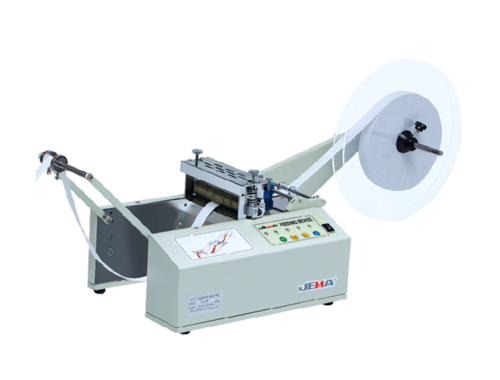
Understanding the Role of Elastic Tape Cutting Equipment
Selecting the right Elastic Tape Cutting Machine is a critical decision for manufacturers working with stretchable materials such as elastic bands, ribbons, and tapes. Unlike rigid materials, elastic tapes present unique challenges due to their ability to stretch, recoil, and deform during processing. A suitable cutting solution must address these characteristics while ensuring accuracy, efficiency, and long-term reliability. Understanding the functional purpose of the machine is the first step toward making an informed choice that aligns with production goals.
Identifying Material Characteristics and Application Needs
Before evaluating machine specifications, it is essential to analyze the type of elastic tape being processed. Factors such as width, thickness, elasticity ratio, surface texture, and fiber composition all influence machine compatibility. Some elastic tapes require sealed edges to prevent fraying, while others prioritize clean mechanical cuts. Application requirements also vary across industries such as apparel, medical textiles, and automotive interiors. Matching the machine’s capabilities to the actual material behavior ensures consistent cutting results and minimizes production waste.
Evaluating Cutting Accuracy and Length Consistency
Precision is one of the most important criteria when choosing an elastic cutting solution. Elastic materials tend to stretch during feeding and relax after cutting, which can result in length inconsistency if not properly managed. A well-designed Elastic Tape Cutting Machine compensates for this behavior through controlled feeding systems and synchronized cutting mechanisms. Manufacturers should assess the machine’s tolerance range and its ability to deliver repeatable lengths under continuous operation, especially for high-volume production environments.
Considering Tension Control and Feeding Mechanisms
Effective tension control distinguishes specialized elastic cutting machines from conventional tape cutters. Machines equipped with advanced tension regulation systems help stabilize the material during cutting, preventing distortion or uneven edges. Smooth and consistent feeding mechanisms reduce stress on the tape and contribute to longer material life. When evaluating options, attention should be paid to how the machine manages tension throughout the entire cutting cycle, from feeding to discharge.
Assessing Cutting Method and Edge Quality
Different cutting technologies produce different edge finishes, which can significantly impact product quality. Some machines use cold blades for straightforward cutting, while others employ heated blades or ultrasonic technology to seal edges and prevent fiber unraveling. The ideal cutting method depends on both the material type and the end-use application. Manufacturers should consider whether edge sealing, minimal deformation, or high-speed cutting is the primary requirement for their products.
Matching Production Capacity with Operational Demands
Production volume and speed requirements play a key role in machine selection. While higher-speed machines can improve output, they must maintain accuracy and stability when handling elastic materials. Overly aggressive cutting speeds may compromise length consistency or edge quality. Selecting a machine that balances throughput with precision ensures reliable operation and reduces the risk of downtime caused by frequent adjustments or maintenance.
Reviewing Ease of Operation and Maintenance
User-friendly operation and straightforward maintenance are often overlooked but crucial factors. Machines with intuitive controls, clear parameter settings, and accessible components reduce training time and operational errors. Maintenance considerations such as blade replacement, cleaning procedures, and spare part availability directly affect long-term efficiency. A machine designed for easy upkeep helps maintain consistent performance over extended production cycles.
Evaluating Cost Efficiency and Long-Term Value
While initial purchase cost is an important consideration, long-term value should be evaluated more carefully. A lower-priced machine may lead to higher material waste, inconsistent quality, or frequent repairs when used for elastic tapes. Investing in a machine specifically designed for elastic materials often results in lower operating costs over time, improved product consistency, and stronger customer satisfaction. Evaluating the total cost of ownership provides a more accurate basis for decision-making.

 English
 Kiswahili
 Arabic
 French
 Spanish
 Portuguese
 Deutsch
 Turkish
 Dutch
Dutch
 Italiano
 Russian
 Romaian
 Greek
Greek
