


The Foundational Science of the Global Neuromarketing Technology Industry
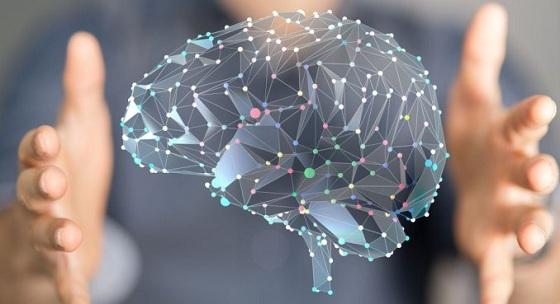
In the hyper-competitive landscape of modern commerce, understanding consumer behavior has evolved from an art into a sophisticated science. This evolution is being driven by the emerging Neuromarketing Technology industry, a fascinating and powerful field that applies the principles of neuroscience to marketing and market research. The core premise of neuromarketing is that consumers are often unable or unwilling to accurately articulate the true drivers of their decisions. Traditional research methods like surveys, focus groups, and interviews rely on self-reported data, which is subject to conscious filtering, social desirability bias, and the simple fact that we often don't consciously know why we prefer one product over another. Neuromarketing bypasses this conscious filter by directly measuring the physiological and neural signals that underpin subconscious reactions. It seeks to uncover the "why" behind the "what," providing an unfiltered window into the primal emotions, attention, and memory processes that truly influence purchasing behavior. This ability to decode the subconscious consumer mind is what makes this technology a game-changer for brands seeking a deeper, more authentic connection with their audience and a more predictable return on their marketing investments.
The technological toolkit of the neuromarketing industry is diverse, employing a range of medical-grade and specialized biometric sensors to capture different facets of a consumer's subconscious response. One of the most common technologies is Electroencephalography (EEG), which uses a cap of scalp sensors to measure electrical activity in the brain. EEG is excellent at tracking changes in attention, engagement, and emotional valence in real-time, providing millisecond-level data on how a consumer is reacting to an advertisement or product experience. For a deeper, though less temporally precise, view into the brain, researchers sometimes use functional Magnetic Resonance Imaging (fMRI). This technology measures changes in blood flow to different brain regions, allowing researchers to see activity in deep structures associated with reward, desire, and decision-making. Beyond the brain, a suite of other biometric tools is used. Eye-tracking technology, through glasses or screen-mounted devices, reveals exactly what a consumer is looking at, for how long, and in what order, measuring visual attention. Galvanic Skin Response (GSR) sensors measure changes in sweat gland activity, a reliable indicator of emotional arousal, while facial coding software uses cameras and AI to analyze micro-expressions and decode emotional states like joy, surprise, or confusion.
The practical application of these technologies spans the entire marketing lifecycle, from initial product design to final advertising campaign evaluation. In the product development phase, neuromarketing can be used to test different packaging designs, helping brands understand which colors, shapes, and imagery are most visually appealing and emotionally engaging on a crowded store shelf. For user experience (UX) design, it can pinpoint moments of frustration or delight while a consumer interacts with a website or mobile application, guiding developers to create more intuitive and satisfying digital products. The most common application, however, is in advertising research. Brands use neuromarketing to pre-test television commercials, digital ads, and movie trailers. By measuring second-by-second brain activity and emotional response, they can identify the most engaging scenes, determine if the brand messaging is being encoded into memory, and understand whether the ad is eliciting the desired emotional journey. This data allows them to optimize their creative content before a costly media launch, maximizing the ad's impact and avoiding campaigns that are confusing, boring, or, in the worst case, generate a negative emotional response.
The ultimate goal of applying neuromarketing technology is to build a more comprehensive and predictive model of consumer behavior than what is possible with traditional methods alone. The insights derived are not meant to replace conventional research but to enrich and validate it. For example, a focus group might reveal that consumers say they like a particular advertisement. Neuromarketing data might then reveal that while they liked the humor in the ad, their attention dropped significantly when the brand's logo was on screen, and the key product benefit was not effectively encoded into memory. This provides a much deeper, more actionable diagnosis of the ad's performance. By combining explicit, self-reported feedback ("what people say") with implicit, biometric data ("what people feel and see"), marketers can gain a 360-degree view of the consumer experience. This integrated approach leads to the creation of more effective marketing, more intuitive products, and more resonant brand experiences, ultimately fostering a stronger bond between the brand and the consumer by appealing to them on a deeper, subconscious level.
Explore More Like This in Our Regional Reports:

 English
 Kiswahili
 Arabic
 French
 Spanish
 Portuguese
 Deutsch
 Dutch
Dutch
 Italiano
 Russian
 Romaian
 Portuguese (Brazil)
 Greek
Greek
