


Deconstructing the Technologies Behind an E-Governance Market Platform
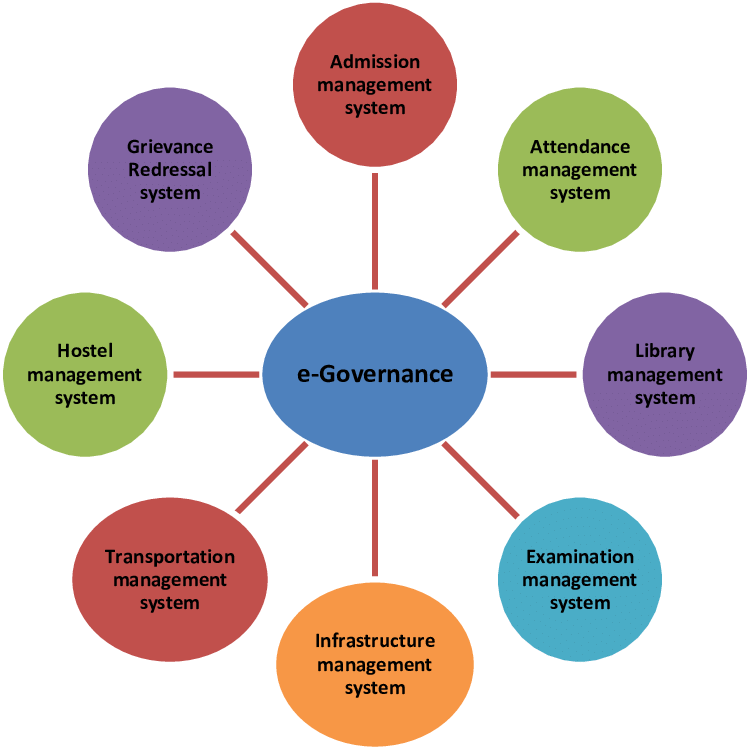
The architecture of a modern digital government is not a monolithic application but a complex, multi-layered system of interconnected technologies that work in concert. At its core, an E-Governance Market Platform is a sophisticated technology stack designed to provide the foundational capabilities for secure data management, seamless service delivery, and robust operational control. This platform serves as the central nervous system of the digital state, enabling everything from citizen identity verification to the processing of online payments and the secure exchange of information between different government departments. The foundational layer of this stack is the infrastructure, which can be a combination of on-premises government data centers, private clouds, or, increasingly, public cloud services from hyperscale providers like AWS, Microsoft Azure, or Google Cloud. This infrastructure provides the raw computing power, storage, and networking capabilities needed to run the entire e-governance ecosystem. Upon this foundation, layers of specialized software and security protocols are built to create a resilient, scalable, and trustworthy platform for public service delivery, ensuring that citizen data is protected and services remain available.
A critical and defining layer of any national e-governance platform is the Digital Identity and Trust Services framework. For citizens to securely access personalized government services, they must first have a reliable way to prove who they are in the digital realm. This has led many pioneering nations, such as Estonia and India, to develop robust national digital identity systems. These systems provide each citizen with a unique digital identifier, often linked to biometrics, which can be used as a universal key to access a wide range of public and even private sector services. This single digital identity eliminates the need for citizens to manage dozens of different usernames and passwords for various government portals. This layer also includes essential trust services, such as digital signature technologies, which allow for legally binding online contracts and document submissions, and secure time-stamping services. A strong digital identity framework is the bedrock of transactional e-governance, providing the authentication and non-repudiation necessary for high-value interactions like online voting, filing legal documents, or accessing sensitive health records.
Sitting atop the identity and infrastructure layers is the Application and Service Delivery layer, which is the most visible part of the platform to end-users. This layer consists of the citizen-facing web portals and mobile applications through which services are accessed. These applications are designed with a user-centric focus, aiming for simplicity, accessibility, and a seamless user experience across different devices. Underpinning these front-end applications is a suite of powerful back-end software platforms. This often includes a Customer Relationship Management (CRM) system adapted for the public sector to manage citizen interactions and cases, an Enterprise Resource Planning (ERP) system to manage the government's internal finances and human resources, and workflow automation or Business Process Management (BPM) tools to orchestrate the complex, multi-step processes involved in service delivery (e.g., an application for a permit that needs approval from multiple departments). This layer also requires robust payment gateway integrations to securely process fees, fines, and taxes online, completing the transactional loop for a vast number of government services.
The final, overarching layer of a modern e-governance platform is dedicated to security and the integration of emerging technologies. Cybersecurity is a non-negotiable, paramount concern, as government systems are high-value targets for cybercriminals and state-sponsored actors. This layer encompasses a comprehensive suite of security measures, including firewalls, intrusion detection and prevention systems, robust data encryption for information both at rest and in transit, and continuous security monitoring from a dedicated Security Operations Center (SOC). In addition to foundational security, this layer is also where governments are experimenting with and integrating next-generation technologies to enhance their services. Artificial Intelligence (AI) is being used to power intelligent chatbots for citizen support, analyze data for predictive policymaking, and detect fraudulent transactions. Blockchain technology is being explored for creating tamper-proof land registries and securing supply chains for public procurement. And the Internet of Things (IoT) is being leveraged for smart city initiatives, such as intelligent traffic management and environmental monitoring, making the entire governance platform more responsive and data-rich.
Explore More Like This in Our Regional Reports:
Canada Intelligent Document Processing Market

 English
 Kiswahili
 Arabic
 French
 Spanish
 Portuguese
 Deutsch
 Turkish
 Dutch
Dutch
 Italiano
 Russian
 Romaian
 Greek
Greek
