


How DC Brush Motors Perform During Startup
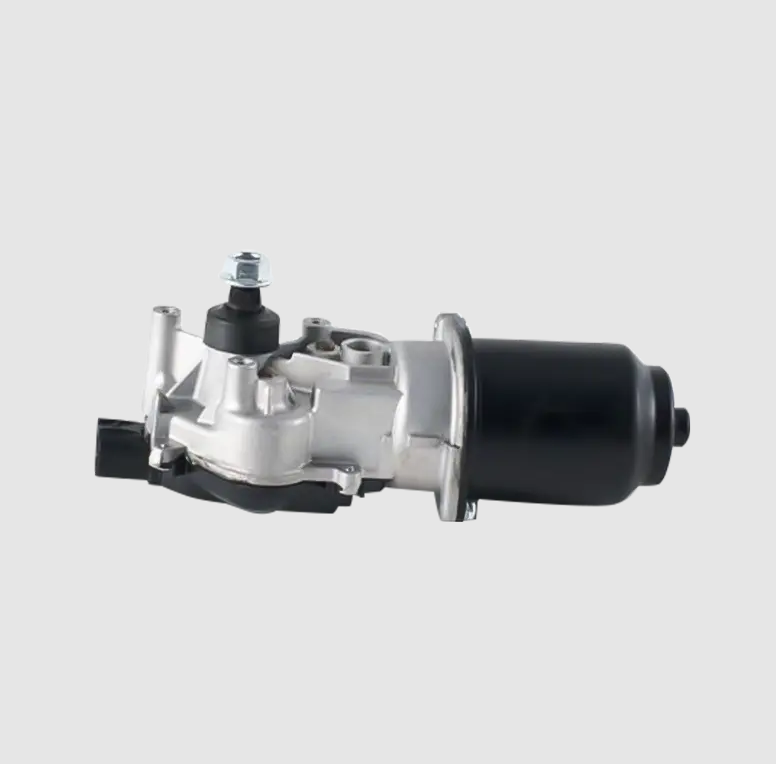
Introduction to Startup Performance
The startup performance of a DC Brush Motor is critical for applications requiring rapid acceleration or precise motion control. Two primary factors define this performance: starting torque, which determines the motor’s ability to overcome initial resistance, and response speed, which affects how quickly the motor reaches the desired rotational speed. Understanding these parameters is essential for selecting the right motor for industrial machinery, robotics, automotive applications, and other dynamic systems.
Starting Torque Explained
Starting torque is the rotational force a motor can generate from a standstill. A high starting torque enables a DC brush motor to overcome mechanical resistance such as inertia, friction, or load weight, ensuring smooth and reliable startup. Applications like conveyor systems, automated gates, or electric vehicles rely on sufficient starting torque to achieve immediate motion without stalling. The inherent design of a brushed DC motor, including the interaction between the armature and magnetic field, contributes to its high starting torque, making it suitable for load-heavy startup conditions.
Factors Influencing Starting Torque
Several factors influence the starting torque of a DC brush motor. The strength of the magnetic field, armature winding design, and voltage supply directly affect the force generated at startup. Additionally, the load characteristics and gear ratios in the connected system play a significant role. Motors designed for high-torque applications often feature reinforced windings and optimized commutators to maintain consistent performance during repeated startups under heavy load.
Response Speed and Acceleration
Response speed refers to how quickly the motor reaches the intended speed after receiving a control signal. A fast response allows for precise motion control, which is particularly important in robotics, automated machinery, and precision instruments. DC brush motors generally provide rapid acceleration due to their direct electrical-to-mechanical energy conversion. The simplicity of the brushed design allows instantaneous current application to the armature, producing immediate torque and fast changes in rotational speed.
Real-World Applications
In practical settings, the combination of high starting torque and fast response speed makes DC brush motors ideal for applications requiring frequent start-stop cycles. Conveyor belts, electric fans, pumps, and small robotic actuators benefit from motors that can quickly initiate movement and adjust speed on demand. For heavier industrial loads, motors must maintain consistent torque at startup to prevent mechanical strain and ensure operational efficiency.
Maintenance Considerations
While DC brush motors excel in startup torque and response, regular maintenance is crucial for sustained performance. Brush wear, commutator surface degradation, and bearing lubrication directly influence the motor’s ability to deliver reliable torque and fast response over time. Proper upkeep, including periodic inspection and replacement of worn brushes, ensures that the motor maintains its performance characteristics, even under demanding operational conditions.
The starting torque and response speed of a DC Brush Motor are fundamental to its effectiveness in dynamic applications. High starting torque allows the motor to overcome initial resistance, while rapid response ensures precise and immediate control of speed. By understanding these performance characteristics and maintaining the motor appropriately, industries can leverage the advantages of brushed DC motors for a wide range of mechanical, robotic, and industrial systems, ensuring reliability, efficiency, and consistent operational output.

 English
 Kiswahili
 Arabic
 French
 Spanish
 Portuguese
 Deutsch
 Turkish
 Dutch
Dutch
 Italiano
 Russian
 Romaian
 Greek
Greek
