


How Wheelchair Gear Motors Handle Various Terrains
The Importance of Terrain Performance
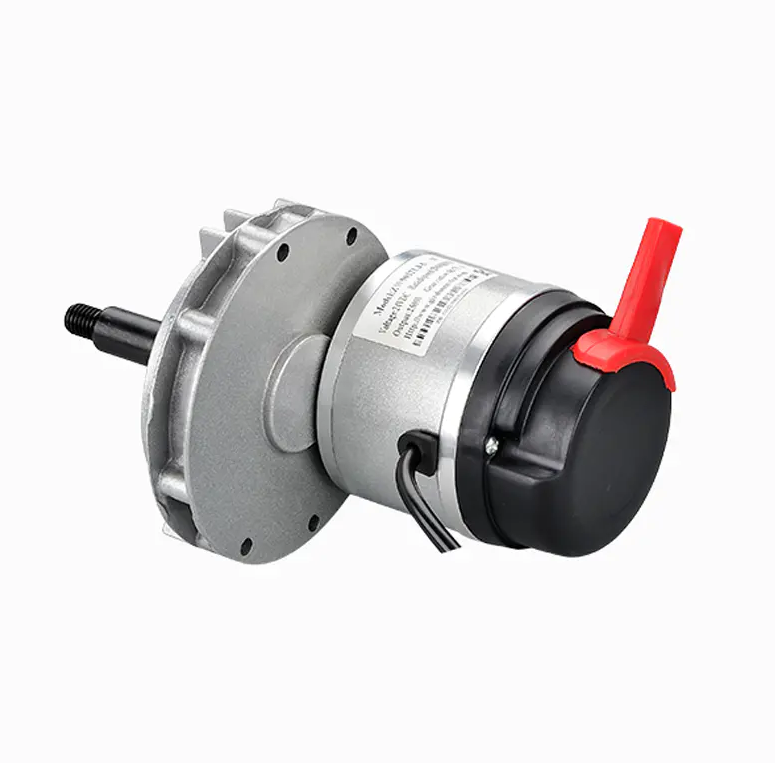
The ability of an electric wheelchair to navigate various surfaces is essential for daily mobility. Users encounter a wide range of terrains, from smooth indoor floors to rough outdoor paths, making the performance of the Electric Wheelchair Gear Motor a key factor in overall usability. A reliable gear motor ensures consistent speed, stability, and control regardless of surface type, enhancing both safety and user confidence. Understanding how a motor interacts with different terrain helps users select a wheelchair suited to their specific environment.
Performance on Smooth Surfaces
On smooth indoor surfaces, such as tile, hardwood, or polished concrete, the electric wheelchair gear motor operates with minimal resistance. These surfaces allow the motor to maintain a steady pace, offering smooth acceleration and precise control. Efficiency is high because the motor faces less friction, which also reduces energy consumption and extends battery life. The quiet operation and consistent torque provided by a quality motor make maneuvering in tight spaces or through doorways effortless.
Performance on Carpeted Floors
Carpeted surfaces present a moderate level of resistance, which requires the motor to generate slightly higher torque to maintain speed. A well-engineered Electric Wheelchair Gear Motor adjusts efficiently to these conditions, allowing users to traverse both low-pile and medium-pile carpets without strain. Dense or thick carpets may increase energy demands and reduce battery longevity, but quality gear motors are designed to handle these variations while maintaining smooth motion. Consistent performance on carpeted floors is crucial for users in both residential and commercial settings.
Outdoor Terrain Performance
Navigating outdoor terrains, such as asphalt, gravel, grass, or uneven sidewalks, places greater demands on the gear motor. The motor must provide higher torque and adaptive power to overcome resistance and maintain stability. Wheels with sufficient traction, combined with a responsive motor, allow users to safely traverse these surfaces without excessive vibration or loss of control. High-quality gear motors are engineered to handle bumps, small obstacles, and mild inclines, ensuring reliable performance even in challenging outdoor conditions.
Maintenance and Longevity Considerations
Performance across different surfaces is also affected by maintenance practices. Regular cleaning, lubrication, and inspection of the motor and wheels prevent performance degradation caused by debris, moisture, or wear. Maintaining the Electric Wheelchair Gear Motor properly ensures consistent torque, smooth acceleration, and reliable handling across all terrains. Additionally, proper battery management supports the motor’s ability to deliver the necessary power for more demanding surfaces, extending both motor life and wheelchair usability.
The performance of an Electric Wheelchair Gear Motor varies with surface type but is critical for user safety, comfort, and mobility. On smooth indoor floors, motors offer precise control and efficiency, while carpeted and outdoor surfaces demand higher torque and adaptive performance. A well-designed gear motor, paired with proper maintenance, ensures reliable operation across all terrains, enhancing independence and confidence for wheelchair users in both indoor and outdoor environments.

 Kiswahili
 Arabic
 French
 Spanish
 Portuguese
 Deutsch
 Turkish
 Dutch
Dutch
 Italiano
 Russian
 Romaian
 Portuguese (Brazil)
 Greek
Greek
