


How Welding Helmets Respond to Arc Strength
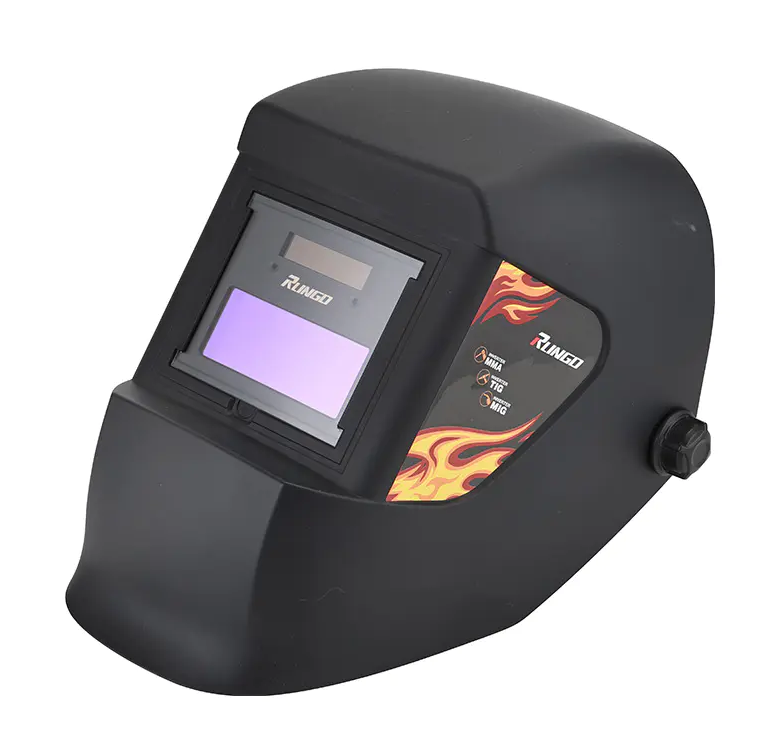
Introduction to Arc Sensitivity in Welding Helmets
An Auto Lens Welding Helmet is designed to protect the welder’s eyes and face from the intense light and radiation produced during welding. One of the most critical aspects of these helmets is their sensitivity to the welding arc. Arc sensitivity determines how quickly the lens reacts to changes in light intensity, which is essential for preventing eye strain, flash burns, and discomfort. Understanding how auto-darkening helmets respond to varying arc strengths can help welders select the right equipment and ensure both safety and efficiency in different welding tasks.
How Auto Lens Technology Works
Auto lens welding helmets utilize light sensors to detect the brightness of the welding arc. When the sensors detect a sudden increase in light intensity, the lens automatically darkens within milliseconds, allowing the welder to view the workpiece safely. The speed and accuracy of this reaction depend on the helmet’s sensitivity settings. High-sensitivity helmets can detect even low-intensity arcs, making them suitable for delicate welding processes such as TIG welding, where the arc is small but bright. Lower sensitivity settings may be used for higher-intensity processes to prevent the lens from darkening prematurely.
Impact of Arc Intensity on Helmet Performance
Different welding processes produce arcs of varying intensity. MIG and stick welding generally create bright, sustained arcs, while TIG welding produces smaller, more concentrated arcs. An auto lens helmet must respond appropriately to each type of arc to maintain eye protection without compromising visibility. If the helmet is not sensitive enough, a sudden bright arc can temporarily expose the welder’s eyes to harmful radiation. Conversely, overly sensitive helmets may darken unnecessarily when exposed to ambient light or reflection, which can reduce precision and control.
Adjustable Sensitivity Features
Modern auto lens helmets offer adjustable sensitivity and delay controls to match the specific welding conditions. Sensitivity adjustment allows welders to fine-tune how quickly the lens darkens in response to the arc, while delay adjustment controls how long the lens remains dark after the arc stops. These features are particularly important when switching between different welding currents or when working in environments with reflective surfaces. A helmet with properly calibrated sensitivity ensures that welders can work comfortably and safely across multiple processes.
Benefits of Arc-Sensitive Helmets
Helmets that accurately detect and respond to arc intensity offer several advantages. They reduce eye fatigue by preventing prolonged exposure to bright light, allow for precise welding by maintaining consistent visibility, and enhance overall safety. In professional settings where welders perform continuous or high-precision work, arc-sensitive helmets are essential tools that contribute to productivity and quality outcomes.
Considerations for Selecting an Auto Lens Welding Helmet
When choosing an auto lens welding helmet, it is important to consider the types of welding that will be performed most frequently. Helmets with multiple sensitivity settings are ideal for welders who switch between processes such as MIG, TIG, and stick welding. The placement and number of sensors also affect the helmet’s ability to detect arcs at different angles, ensuring comprehensive protection during dynamic movements. Additionally, battery life and the speed of auto-darkening response are key factors that influence overall effectiveness.
An Auto Lens Welding Helmet is highly sensitive to arc intensity, which is central to its protective function. Properly calibrated sensitivity allows the lens to darken quickly in response to bright welding arcs while maintaining visibility for precise work. Adjustable settings ensure versatility across different welding processes and intensities. Understanding how arc detection works and selecting a helmet suited to specific welding tasks helps ensure optimal safety, comfort, and performance for professional and hobbyist welders alike.

 English
 Kiswahili
 Arabic
 French
 Spanish
 Portuguese
 Deutsch
 Dutch
Dutch
 Italiano
 Russian
 Romaian
 Portuguese (Brazil)
 Greek
Greek
