


Health Implications of Coatings in Paper Cups
The Role of Coatings in Paper Cups
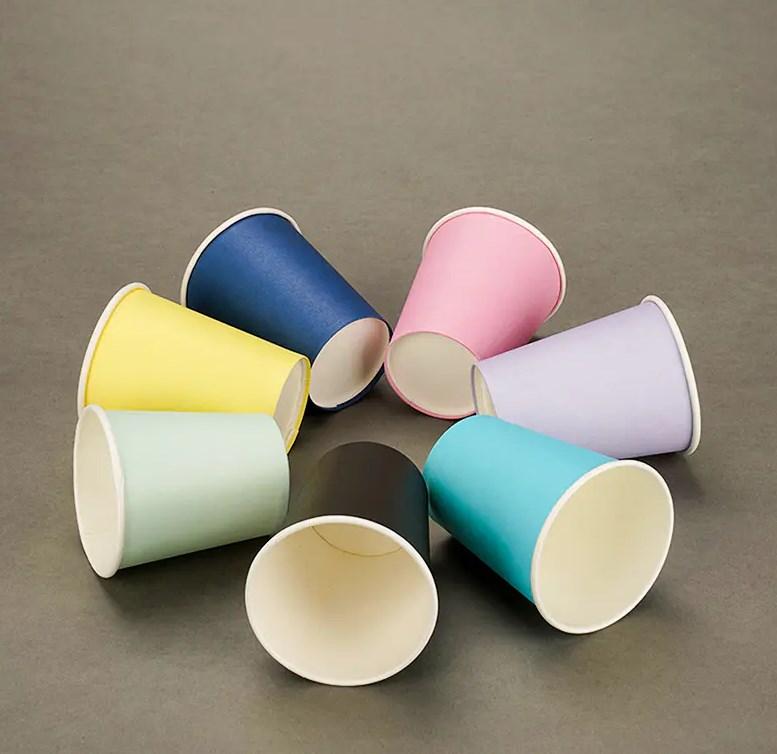
Private Label Paper Cups are widely used in the food and beverage industry for serving hot and cold drinks. One of the key factors influencing both functionality and safety is the type of coating or inner lining applied to the cup. These coatings provide liquid resistance, prevent leaks, and maintain structural integrity. However, concerns often arise regarding whether these materials may leach harmful substances into beverages, affecting consumer health. Understanding the composition and safety standards of these coatings is essential for manufacturers and end users alike.
Types of Coatings and Linings
Paper cups are typically lined with thin layers of polyethylene (PE), polylactic acid (PLA), or other biodegradable polymers. PE coatings create a moisture-resistant barrier that prevents liquids from soaking through the paper, making it suitable for hot and cold beverages. PLA coatings, derived from renewable plant sources, are designed to be environmentally friendly while providing similar protective properties. Some cups may also use wax or composite coatings for additional strength. The choice of lining affects not only cup durability but also its safety profile.
Food Safety Standards and Compliance
Health concerns regarding coatings mainly focus on the potential migration of chemicals into beverages, especially when exposed to heat. Reputable manufacturers of Private Label Paper Cups comply with food safety regulations such as FDA or EU standards, ensuring that coatings are non-toxic and suitable for direct contact with food and drinks. These standards specify acceptable materials, migration limits, and testing procedures to guarantee consumer safety. Using certified cups significantly reduces the risk of harmful substances entering the beverage.
Hot vs. Cold Beverage Considerations
The type of beverage served can influence the potential health impact of cup linings. Hot beverages increase the interaction between liquid and coating, potentially accelerating any chemical migration if the lining is of low quality. Cold beverages, including carbonated or acidic drinks, may also react with certain coatings. Therefore, selecting Private Label Paper Cups with high-quality, food-grade coatings tested for both temperature extremes is critical for ensuring safety across a range of applications.
Environmental and Health-Friendly Alternatives
Modern paper cup manufacturers increasingly adopt PLA or other plant-based linings to reduce environmental impact and improve health safety. These biodegradable and compostable coatings are designed to meet both ecological and consumer health requirements. Choosing such alternatives allows businesses to provide eco-conscious products while maintaining high safety standards. Consumers are becoming more aware of these features, and demand for health- and environmentally-friendly cups continues to grow.
Ensuring Safe Use of Paper Cups
The coatings or inner linings of Private Label Paper Cups are essential for functionality but must also meet strict safety standards to protect consumer health. Food-grade PE and PLA linings, when certified, provide reliable barriers without harmful chemical migration. Understanding the differences between lining materials, adherence to regulations, and suitability for hot or cold beverages is key to selecting safe cups. By choosing cups with certified, high-quality coatings, businesses can ensure both customer safety and satisfaction while supporting sustainable practices.

 English
 Kiswahili
 Arabic
 French
 Spanish
 Portuguese
 Deutsch
 Turkish
 Dutch
Dutch
 Italiano
 Russian
 Romaian
 Greek
Greek
