


Mandala Wall Art: Transforming Spaces with Harmony and Beauty
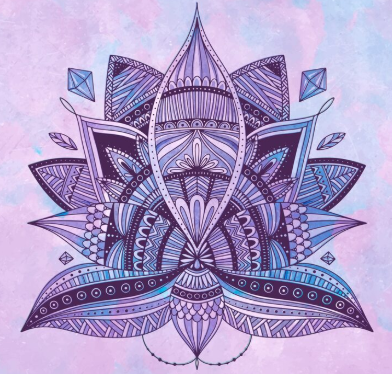
In recent years, mandala wall art has grown tremendously in popularity, becoming a favorite choice for home decor enthusiasts, interior designers, and spiritual seekers alike. Its captivating designs, which combine intricate patterns, symmetry, and vibrant colors, create an ambiance that is both visually appealing and emotionally soothing. But what is it about mandala wall art that makes it so special, and how can it enhance your living space? Let’s explore the history, significance, and practical applications of mandalas in home decor.
The Origins and Meaning of Mandalas
The term “mandala” originates from the ancient Sanskrit word meaning “circle.” Mandalas have been used for centuries in Hinduism and Buddhism as spiritual symbols representing the universe, wholeness, and balance. Traditionally, they are geometric designs that symbolize the connection between the inner self and the cosmos. Each intricate detail in a mandala has a purpose, guiding meditation, promoting mindfulness, and fostering a sense of unity and peace.
Mandalas are more than just spiritual tools—they are expressions of creativity and artistic vision. The repetitive patterns, radial balance, and symmetry of mandalas create a sense of order and harmony that appeals to both the mind and the eyes. This dual appeal has helped mandalas transition from religious contexts into the realm of modern home decor.
The Aesthetic Appeal of Mandala Wall Art
One of the main reasons people choose mandala wall art is its unmatched aesthetic appeal. The geometric precision, circular forms, and often vibrant colors can instantly elevate the visual energy of any room. Mandala art is versatile—it can range from intricate black-and-white designs to bold, colorful patterns that command attention. Depending on your style preferences, you can select a mandala that harmonizes with a minimalist modern interior or complements a bohemian, eclectic space.
Mandala wall art can serve as a focal point in a room, drawing the eye and creating a sense of balance. Its symmetrical nature naturally provides a calming effect, which is why it is commonly used in bedrooms, meditation rooms, yoga studios, and living areas. The hypnotic patterns of mandalas can even create the illusion of expanded space, making smaller rooms feel larger and more open.
Benefits of Mandala Wall Art Beyond Decoration
While mandalas are undeniably beautiful, their value goes beyond mere aesthetics. Mandala wall art can positively influence mental and emotional well-being. Here’s how:
- Promotes Relaxation and Stress Relief: The intricate, repetitive patterns encourage the mind to slow down and focus, similar to the effect of meditation. Staring at or coloring mandalas can reduce stress, lower blood pressure, and foster relaxation.
- Encourages Mindfulness: Mandalas naturally draw attention to the present moment. Whether you’re meditating in front of a mandala or simply appreciating its design, it helps cultivate awareness and mindfulness in everyday life.
- Enhances Creativity: The complexity of mandala designs can inspire creativity. Artists and enthusiasts often find that surrounding themselves with mandalas encourages new ideas and imaginative thinking.
- Creates Emotional Harmony: Mandalas are known for their balance and symmetry, which can have a calming effect on emotions. By incorporating mandala wall art into your living or workspaces, you can create an environment that supports emotional stability and serenity.
Choosing the Right Mandala Wall Art for Your Space
Selecting the perfect mandala wall art requires consideration of style, size, and color palette. Here are a few tips to help you make the right choice:
- Consider the Room’s Purpose: For relaxation spaces like bedrooms or meditation corners, choose mandalas with soft, muted colors that create a tranquil atmosphere. For living rooms or social spaces, vibrant mandalas with bold patterns can serve as a captivating focal point.
- Size Matters: Large mandala wall art pieces make a statement and are ideal for open walls, while smaller mandalas can be grouped into a gallery wall for a cohesive look.
- Material and Medium: Mandalas can be found in various forms, including canvas paintings, framed prints, tapestries, metal art, and decals. The choice depends on your room’s style and your personal preference.
- Personal Connection: Mandalas are deeply personal. Choose designs that resonate with your own aesthetic or spiritual inclinations, whether that’s traditional Eastern mandalas or modern interpretations.
Mandala Wall Art in Modern Interior Design
Interior designers often use mandala wall art to add visual interest and depth to a room. Mandalas work well in diverse interior styles:
- Bohemian Style: Mandalas fit perfectly in bohemian spaces, complementing layered textures, colorful fabrics, and eclectic furniture.
- Minimalist Spaces: A single black-and-white mandala on a neutral wall can create a striking focal point without overwhelming the simplicity of the design.
- Meditation and Yoga Rooms: Mandalas are especially suited for wellness spaces, enhancing the sense of serenity and balance.
- Office Spaces: Incorporating mandalas into workspaces can inspire focus, creativity, and stress reduction.
By thoughtfully placing mandala wall art in your home, you can subtly enhance the ambiance, creating an environment that feels both energizing and calming.
Mandalas as DIY and Personalized Projects
Another reason mandala wall art has gained popularity is the rise of DIY culture. Creating or customizing your own mandala can be a deeply rewarding experience. Many enthusiasts enjoy coloring mandalas, painting them on canvases, or even designing digital versions for printing. Personalized mandalas allow you to incorporate favorite colors, symbols, and patterns, making your wall art not only decorative but also meaningful.
Additionally, mandalas can be used to celebrate personal milestones or experiences. For example, a mandala featuring colors that represent specific emotions or memories can serve as a daily reminder of balance, growth, or achievement.
Where to Place Mandala Wall Art
Placement plays a critical role in maximizing the impact of mandala wall art. Here are some ideal locations:
- Living Room: Hang a large mandala above a sofa or mantelpiece to draw attention and provide a harmonious focal point.
- Bedroom: Position a mandala above the bed to create a sense of calm and relaxation.
- Meditation/Yoga Room: Center a mandala on a wall to enhance focus and spiritual connection during practice.
- Office/Workspace: Place mandalas within sightlines to stimulate creativity and reduce stress.
Experimenting with different placements can transform the energy of a room and make your living space feel more balanced and harmonious.
Conclusion
Mandala wall art is more than just decoration—it is a blend of art, spirituality, and psychology. With roots in ancient traditions and an appeal that transcends cultures, mandalas bring beauty, balance, and mindfulness into modern homes. Whether you choose a bold, colorful design to energize your living room, a serene mandala for your meditation space, or a personalized creation that reflects your inner journey, mandala wall art has the power to transform your environment and uplift your spirit.
By thoughtfully incorporating mandalas into your decor, you not only enhance the aesthetic value of your home but also invite a sense of harmony, creativity, and peace into your daily life. From their historical significance to their modern applications, mandalas remain timeless symbols of balance and beauty—a testament to the enduring power of art to shape our surroundings and enrich our souls.

 English
 Kiswahili
 Arabic
 French
 Spanish
 Portuguese
 Turkish
 Dutch
Dutch
 Italiano
 Russian
 Romaian
 Portuguese (Brazil)
 Greek
Greek
