


Concrete Calculator: The Ultimate Guide to Accurate Concrete Estimation
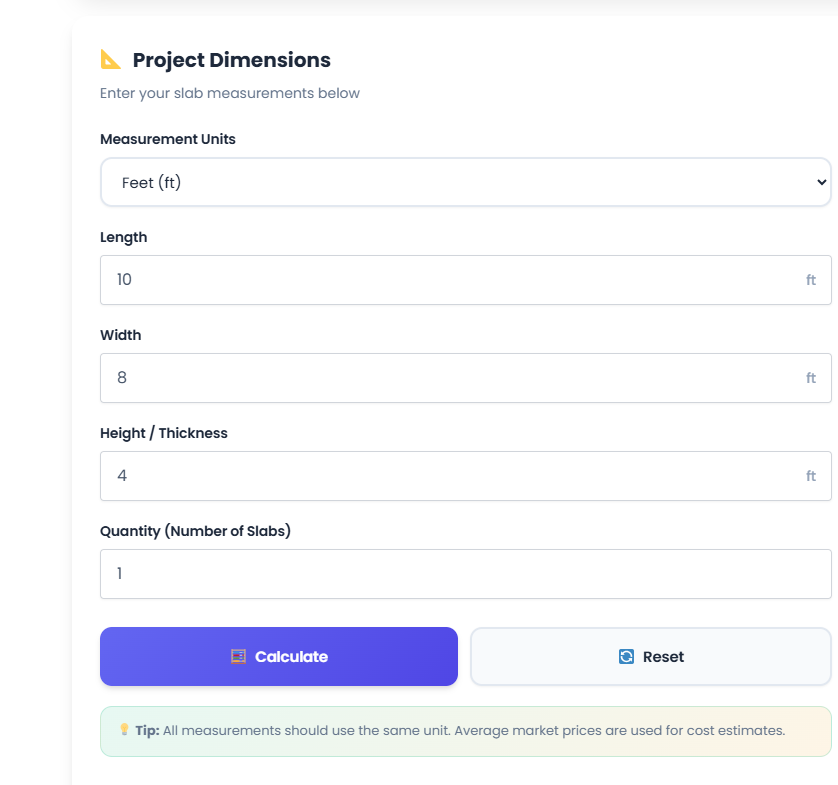
Accurate planning is the backbone of any successful construction project. Whether you are a professional contractor, a civil engineer, or a homeowner planning a DIY project, estimating the correct amount of concrete is crucial. This is where a Concrete Calculator and Concrete Slab Calculator become indispensable tools. These calculators simplify complex calculations, prevent material shortages, and help avoid unnecessary expenses.
In this comprehensive guide, we’ll explore what concrete calculators are, how they work, why they are essential, and how to use them effectively for different types of projects.
What Is a Concrete Calculator?
A Concrete Calculator is a digital tool designed to estimate the amount of concrete required for a specific construction project. By entering dimensions such as length, width, depth, or radius, the calculator determines the volume of concrete needed in cubic yards, cubic meters, or cubic feet.
Instead of relying on manual formulas that are prone to errors, a concrete calculator automates the process and delivers quick, accurate results. These calculators are commonly used for:
-
Foundations
-
Driveways
-
Sidewalks
-
Columns
-
Footings
-
Concrete slabs
Using a concrete calculator ensures that you order the right amount of concrete, minimizing waste and reducing project delays.
Understanding the Concrete Slab Calculator
A Concrete Slab Calculator is a specialized type of concrete calculator focused specifically on slab projects. Concrete slabs are flat, horizontal surfaces commonly used for patios, floors, garages, sheds, and basements.
This calculator requires three main inputs:
-
Length of the slab
-
Width of the slab
-
Thickness of the slab
Once these values are entered, the calculator determines the total concrete volume required. Many slab calculators also allow users to include extra percentages to account for spillage or uneven surfaces.
Concrete slab calculators are especially useful because slab thickness varies depending on the project. For example, a residential patio might need a 4-inch slab, while a driveway may require a 6-inch or thicker slab for load-bearing capacity.
Why Accurate Concrete Calculation Matters
1. Prevents Material Waste
Overestimating concrete leads to wasted materials and higher costs. Concrete cannot be reused once it sets, so ordering too much is costly.
2. Avoids Project Delays
Underestimating concrete can halt construction mid-project. This can lead to delays, additional delivery fees, and inconsistencies in concrete curing.
3. Saves Time
A concrete calculator eliminates manual calculations, allowing you to focus on planning and execution rather than complex math.
4. Improves Budget Control
Accurate estimates help you plan costs more effectively and avoid unexpected expenses.
How to Use a Concrete Calculator Correctly
Using a concrete calculator is simple, but accuracy depends on correct measurements. Follow these steps:
-
Measure the Area Precisely
Use a tape measure or laser measurement tool to get exact length, width, and depth. -
Choose the Right Unit
Ensure all measurements are in the same unit (feet, meters, or inches). -
Enter Dimensions Carefully
Small errors can significantly impact the final volume. -
Add Extra Allowance
Most professionals add 5–10% extra concrete to compensate for spillage and uneven ground. -
Convert Volume to Bags or Trucks
Many calculators also show how many bags or ready-mix truck loads you’ll need.
Concrete Slab Thickness Guide
Choosing the right slab thickness is essential for durability and safety. Here’s a general guideline:
-
4 inches – Patios, sidewalks, walkways
-
5 inches – Light vehicle driveways
-
6 inches – Heavy vehicle driveways and garage floors
-
8 inches or more – Industrial or commercial applications
A concrete slab calculator allows you to adjust thickness easily and instantly see how it affects the total volume.
Manual Formula vs Concrete Calculator
Traditionally, concrete volume is calculated using this formula:
Volume = Length × Width × Thickness
While the formula itself is simple, problems arise when converting units or calculating large projects. A concrete calculator eliminates these issues by handling unit conversions automatically.
For example:
-
Thickness entered in inches is automatically converted to feet or meters.
-
Results are displayed in industry-standard units such as cubic yards.
This automation significantly reduces human error.
Benefits of Using an Online Concrete Calculator
Online concrete calculators have become extremely popular due to their convenience and accuracy. Some key advantages include:
-
Instant results
-
Mobile-friendly access
-
No technical knowledge required
-
Free to use
-
Supports multiple project types
Many advanced calculators also allow users to calculate costs by entering the price per cubic yard or per bag.
Who Should Use a Concrete Calculator?
A concrete calculator is useful for anyone involved in construction, including:
-
Homeowners planning DIY projects
-
Contractors and builders
-
Architects and engineers
-
Construction students
-
Landscaping professionals
Even small residential projects benefit from accurate concrete estimation.
Common Mistakes to Avoid When Calculating Concrete
Despite using a concrete slab calculator, mistakes can still happen. Avoid these common errors:
-
Forgetting to convert inches to feet
-
Ignoring slope or uneven surfaces
-
Not accounting for waste
-
Using incorrect slab thickness
-
Measuring from the wrong reference points
Double-checking measurements before entering them into the calculator ensures reliable results.
Concrete Calculator for Cost Estimation
Many concrete calculators also provide cost estimation features. By entering the cost per cubic yard or bag, users can estimate the total project cost instantly. This helps with budgeting and comparing prices from different suppliers.
For example:
-
Ready-mix concrete cost
-
Bagged concrete cost
-
Delivery charges
Cost estimation tools make project planning more transparent and efficient.
Final Thoughts
A Concrete Calculator and Concrete Slab Calculator are essential tools for anyone working with concrete. They eliminate guesswork, improve accuracy, and save both time and money. Whether you’re pouring a small patio or constructing a large foundation, using a reliable calculator ensures your project starts on the right footing.
In today’s construction environment, precision matters more than ever. By leveraging digital tools like concrete calculators, you can confidently plan, budget, and execute your concrete projects with professional-level accuracy.

 English
 Kiswahili
 Arabic
 French
 Spanish
 Portuguese
 Deutsch
 Turkish
 Italiano
 Russian
 Romaian
 Portuguese (Brazil)
 Greek
Greek
