


Top-Rated Polyaluminum Chloride Products for Water Treatment
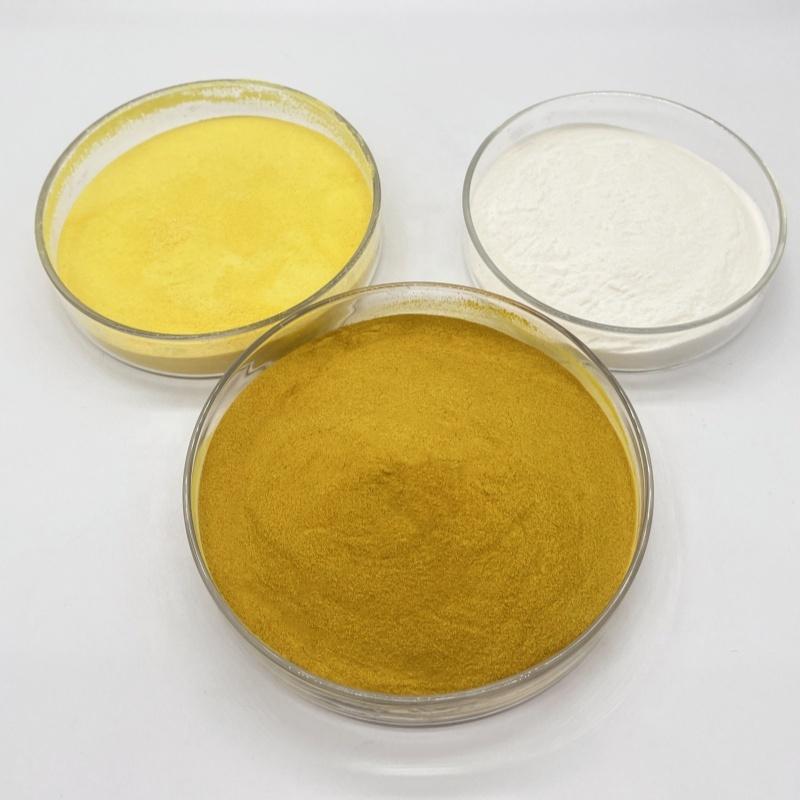
Looking for the best polyaluminum chloride (PAC) for your water treatment needs? This comprehensive guide explores the top-rated PAC products, their specifications, applications, and how to choose the right grade for municipal drinking water, industrial wastewater, and specialized treatment processes.
What is Polyaluminum Chloride (PAC)?
Polyaluminum chloride (PAC) is a highly efficient inorganic polymer coagulant widely used in water and wastewater treatment. PAC works through multiple mechanisms that destabilize and aggregate suspended solids, colloids, and other impurities in water. Compared to traditional aluminum sulfate (alum), PAC offers superior performance in turbidity removal, lower dosage requirements, and reduced impact on water pH.
The U.S. Environmental Protection Agency (EPA) recognizes PAC as an approved coagulant for drinking water treatment.
Understanding PAC Grades and Basicity
PAC products can range from 5% to 65% basicity, with higher basicity products containing more polymer content and thus greater cationic charge density and efficiency. The basicity level significantly affects performance characteristics:
| Basicity Range | Aluminum Content | Best Applications | Key Advantages |
|---|---|---|---|
| Low (5-40%) | Higher Al₂O₃ | High turbidity water, industrial wastewater | Strong charge neutralization, cost-effective |
| Medium (40-60%) | Moderate Al₂O₃ | Municipal drinking water, general purpose | Balanced performance, versatile |
| High (60-85%) | Lower Al₂O₃ | Low turbidity water, color removal | Lower aluminum residuals, better clarification |
Higher basicity products have lower aluminum content but are more efficient in clarification of water, resulting in less aluminum in backwash water and minimized aluminum residuals.
Top PAC Product Categories
1. Drinking Water Grade PAC (Food Grade)
Typical Specifications:
-
Al₂O₃ Content: 28-30%
-
Basicity: 40-90%
-
Water Insoluble Matter: ≤ 0.3%
-
pH (1% solution): 3.5-5.0
-
Heavy Metal Content: Strictly controlled to meet drinking water standards
Performance Highlights:
-
Removes up to 90% of turbidity under optimal conditions
-
Effective pH range: 5.0-9.0 (optimal 6.5-8.0)
-
Lower dosage requirements compared to alum (typically 30-50% less)
-
Minimal impact on treated water pH
View our drinking water grade PAC product line and certifications.
2. Industrial Grade PAC
Typical Specifications:
-
Al₂O₃ Content: 26-28%
-
Basicity: 30-95%
-
Water Insoluble Matter: ≤ 0.5%
-
Available in liquid (10-20% solution) or solid powder form
Performance Highlights:
-
Excellent performance in high turbidity and high organic load conditions
-
Rapid floc formation and settlement
-
Cost-effective for large-scale operations
-
Effective across wide temperature range (5-40°C)
Explore our industrial grade PAC solutions for various industries.
3. High-Purity PAC (Premium Grade)
Typical Specifications:
-
Al₂O₃ Content: 30-32%
-
Basicity: 65-85%
-
Water Insoluble Matter: ≤ 0.1%
-
Heavy Metals (as Pb): ≤ 0.001%
-
Arsenic (As): ≤ 0.0002%
Performance Highlights:
-
Ultra-low impurity levels
-
Excellent color and COD removal (Chemical Oxygen Demand)
-
Superior floc formation and settling characteristics
-
Minimal sludge generation
Request samples of our high-purity PAC products.
4. Liquid PAC (Pre-dissolved Solution)
Typical Specifications:
-
Al₂O₃ Content: 10-12% (liquid solution)
-
Basicity: 40-80%
-
Density: 1.15-1.25 g/cm³
-
Ready-to-use or dilutable
Performance Highlights:
-
No dissolution required - ready to dose
-
Easier handling and storage for some applications
-
Precise dosing control
-
Reduced dust exposure for operators
Optimal Dosing Guidelines
PAC dosing calculation is crucial because adding the correct amount ensures efficient and cost-effective treatment, while underdosing leads to poor water quality and overdosing wastes chemicals and increases sludge production.
Recommended Dosage Ranges:
-
Drinking Water Treatment: 0.1 ml/m³ of total flow rate for all grades of PAC
-
Solid PAC: 1-15 g/MT (metric ton) of water treated
-
Liquid PAC: 3-40 g/MT of water treated
-
Municipal Wastewater: 20-50 mg/L depending on initial turbidity
-
Industrial Wastewater: 50-200 mg/L for high-load applications
Critical Factors Affecting Dosage:
-
Raw Water Turbidity: Higher turbidity requires proportionally higher PAC doses
-
pH Level: PAC effectiveness is optimized within pH range 5.0 to 7.6 for most water treatment applications
-
Temperature: Cold water may require slightly increased dosage or longer contact time
-
Organic Content: Higher dissolved organic matter demands increased PAC dosing
-
Alkalinity: Affects buffering capacity and pH stability during treatment
The most reliable method for determining optimal dosage is through jar tests, which simulate the coagulation and flocculation processes on a small scale.
For detailed dosing methodologies, consult the American Water Works Association (AWWA) standards.
Performance Comparison: PAC vs. Traditional Coagulants
| Performance Metric | PAC | Aluminum Sulfate (Alum) | Ferric Chloride |
|---|---|---|---|
| Typical Dosage | Lower (30-50% less) | Baseline | Similar to alum |
| pH Impact | Minimal reduction | Significant reduction | Significant reduction |
| Effective pH Range | 5.0-9.0 (wide) | 5.5-7.5 (narrow) | 4.0-11.0 (wide) |
| Floc Formation Speed | Fast | Moderate | Fast |
| Floc Strength | Strong, dense | Moderate | Strong |
| Aluminum Residual | Lower | Higher | N/A (iron-based) |
| Sludge Volume | 30-40% less | Baseline | Similar to alum |
| Cold Water Performance | Excellent | Poor | Good |
| Color Removal | Excellent | Good | Excellent |
| Cost per kg | Moderate | Low | Low-Moderate |
| Cost Effectiveness | High (due to lower dosage) | Moderate | Moderate |
Key Selection Criteria for PAC Products
1. Water Quality Parameters
Match PAC grade to your raw water characteristics:
-
Low Turbidity (< 10 NTU): High-basicity PAC for better clarification
-
Medium Turbidity (10-100 NTU): Medium-basicity PAC for balanced performance
-
High Turbidity (> 100 NTU): Lower-basicity PAC with higher aluminum content
-
High Color: Premium grade PAC with basicity 65-85%
-
High Organic Content: PAC combined with oxidation pretreatment
2. Regulatory Compliance
-
Drinking Water: Must meet NSF/ANSI 60 certification for drinking water treatment chemicals
-
Aluminum Residual Limits: Ensure treated water meets local standards (typically < 0.2 mg/L)
-
Heavy Metal Content: Verify supplier provides certificates of analysis (COA)
3. Application-Specific Requirements
-
Automated Systems: Liquid PAC may be preferred for ease of pumping
-
Batch Treatment: Solid PAC offers longer shelf life and easier storage
-
Remote Locations: Solid PAC reduces transportation costs
-
Large-Scale Operations: Bulk solid PAC provides best economics
4. Economic Considerations
-
Calculate cost per unit of turbidity removed, not just cost per kg
-
Factor in reduced sludge disposal costs (PAC produces 30-40% less sludge than alum)
-
Consider lower dosage requirements offsetting higher per-kg price
-
Account for reduced pH adjustment chemical needs
Real-World Performance Data
Case Study: Municipal Drinking Water Treatment
A typical municipal water treatment plant can reduce turbidity by 95% using polyacrylamide flocculants, removing approximately 45 tons of suspended solids daily while reducing chemical usage by 30% compared to traditional methods.
Treatment Results with High-Basicity PAC:
-
Raw Water Turbidity: 25-45 NTU
-
PAC Dosage: 15-20 mg/L
-
Treated Water Turbidity: < 0.5 NTU (>95% removal)
-
pH Change: -0.2 to -0.3 units (minimal)
-
Chemical Cost Savings: 35% compared to alum
Research Finding: Optimal pH Performance
Research demonstrated that the optimum PAC dosage for sufficient coagulation within pH range 6.5 to 8.0 was 15 mg/L, with optimal pH range for PAC coagulation being 7.5 to 8.0.
Application Best Practices
Proper Mixing and Contact Time
-
Rapid Mix: 1-3 minutes at 100-300 rpm for initial dispersion
-
Flocculation: At least 10 seconds recommended at flow velocity not exceeding 1.5 m/sec
-
Injection Point: PAC should be dosed as far upstream of the filters as possible, but after the chemical controller's sample point
-
Settlement Time: 30-60 minutes in clarifiers for optimal results
Storage and Handling
-
Solid PAC: Store in cool, dry place; shelf life 2 years when properly stored
-
Liquid PAC: Protect from freezing; shelf life 6-12 months
-
Dilution: Solid PAC typically diluted to 2-20% before application
-
Safety: Use appropriate PPE; PAC is acidic and corrosive
Why Choose Tairan Chemical for PAC Products?
Premium Quality PAC Solutions
At Tairan Chemical, we offer a complete range of polyaluminum chloride products tailored to your specific water treatment needs:
-
Multiple Grades: Drinking water, industrial, and high-purity PAC
-
Consistent Quality: Rigorous quality control and batch testing
-
Technical Support: Expert guidance on product selection and dosing optimization
-
Certifications: NSF/ANSI 60, ISO 9001, and regional compliance
-
Competitive Pricing: Direct manufacturer pricing with flexible ordering
-
Reliable Supply: Consistent availability and on-time delivery
Frequently Asked Questions
Q: What's the difference between liquid and solid PAC?
A: Liquid PAC is a pre-dissolved solution (typically 10-12% Al₂O₃) that's ready to dose, while solid PAC is a powder (28-30% Al₂O₃) requiring dissolution. Liquid PAC offers easier handling, while solid PAC provides better storage stability and lower transportation costs.
Q: How do I determine the right PAC dosage for my application?
A: Conduct jar tests using your raw water at different PAC dosages. Start with 10-20 mg/L and adjust based on floc formation, settling characteristics, and final turbidity. Jar testing is the most effective way to determine precise dosage required for your particular water source.
Q: Can PAC remove organic contaminants?
A: PAC removes less than 60% of organic compounds, with performance highly dependent on dose and pH, and is less effective for non-clay particles and high organic content waters. For significant organic removal, combine PAC with activated carbon or advanced oxidation processes.
Q: Is PAC safe for drinking water treatment?
A: Yes, when using drinking water grade PAC that meets NSF/ANSI 60 standards and maintaining aluminum residuals below regulatory limits (typically 0.2 mg/L), PAC is safe and widely approved for drinking water treatment globally.
Q: How does temperature affect PAC performance?
A: When water temperature is low, more PAC is needed to accelerate the formation of dense, settleable flocs due to enhanced hydration film effect of colloidal particles. PAC performs better in cold water than alum, but dosage may need 10-20% increase in winter conditions.
Find more answers in our comprehensive PAC FAQ section.
Conclusion
Selecting the right polyaluminum chloride product requires careful consideration of water quality parameters, treatment objectives, regulatory requirements, and economic factors. Whether you need drinking water grade PAC for municipal applications, industrial grade for wastewater treatment, or high-purity PAC for specialized processes, understanding product specifications and performance characteristics is essential.
The top-rated PAC products share common features: consistent quality, appropriate basicity for the application, compliance with relevant standards, and reliable supplier support. By following proper dosing protocols, conducting regular jar tests, and working with experienced suppliers, you can optimize PAC performance and achieve excellent water treatment results.
Ready to optimize your water treatment process? Contact Tairan Chemical today for expert guidance on selecting the best PAC product for your specific application.

 Kiswahili
 Arabic
 French
 Spanish
 Portuguese
 Deutsch
 Turkish
 Dutch
Dutch
 Italiano
 Russian
 Romaian
 Portuguese (Brazil)
 Greek
Greek
