


How Maryland Pediatric Dentists Are Using Gentle Dentistry to Reduce Dental Anxiety
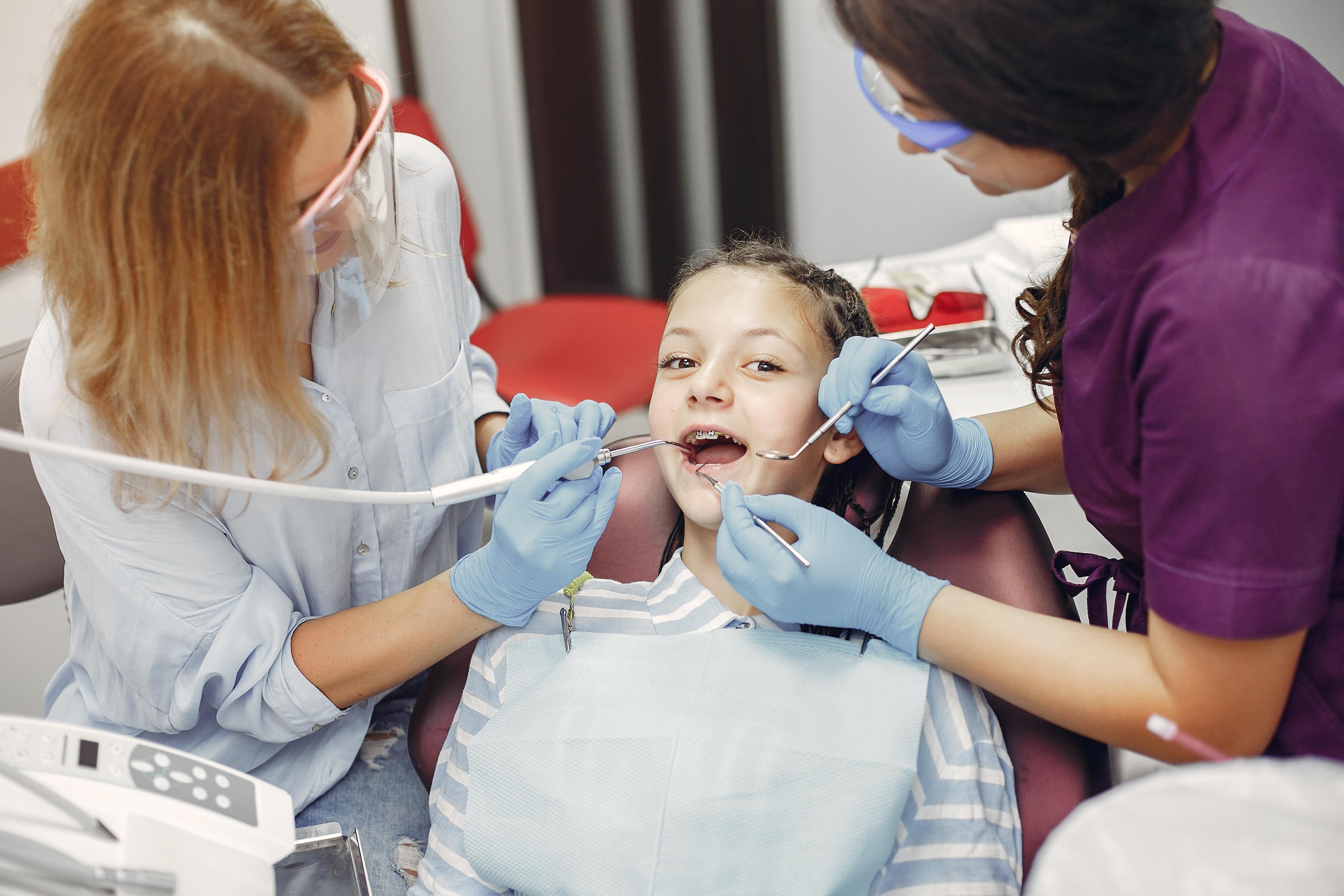
Dental fear doesn’t start in adulthood. It starts early. One rushed visit. One sharp sound. One moment where a child feels trapped. After that, every appointment becomes a fight. A Pediatric Dentist Maryland parents trust knows this pattern—and works aggressively to stop it before it hardens into avoidance.
Gentle dentistry isn’t marketing fluff. It’s a system. Below is how pediatric dentists across Maryland are reducing anxiety without shortcuts, gimmicks, or unnecessary sedation.
Why Dental Anxiety in Children Is Still a Serious Problem
Fear grows when kids feel powerless.
Children don’t understand dental tools, sounds, or timelines. They sense tension. They read adult reactions. If the visit feels rushed or confusing, anxiety spikes fast.
Maryland pediatric dentists see this daily—especially in kids who start care late. Gentle dentistry flips that experience early, before fear becomes the default response.
What “Gentle Dentistry” Actually Means
It’s not about being soft. It’s about being precise.
Gentle dentistry focuses on control, predictability, and trust. Every step is explained in kid-friendly language. Nothing surprises the child. Pain management starts before discomfort appears.
This approach reduces resistance. It also reduces the need for restraint or heavy sedation—outcomes parents often don’t realize are preventable.
Slow Dentistry: Why Rushing Makes Everything Worse
Speed creates fear. Period.
Pediatric dentists Maryland intentionally slow visits down. They allow time for questions, breaks, and adjustment. Even short appointments feel longer to kids when anxiety is high.
By pacing care, dentists prevent meltdowns. Kids stay cooperative. Parents stay calm. Treatment quality improves.
Tell–Show–Do: The Technique That Actually Works
Kids fear the unknown. This removes it.
First, the dentist tells the child what will happen—using simple words. Then, they show the tool on a finger or mirror. Only then do they proceed.
This method sounds basic. It isn’t. When done correctly, it builds trust quickly. Pediatric dentists train extensively to master it.
Pain Control Starts Before Pain Exists
Waiting for pain is amateur hour.
Top pediatric dentists use topical numbing before injections. They use smaller needles. They distract. They wait long enough for anesthesia to work.
Kids remember pain vividly. Gentle dentistry prevents those memories from forming.
Language Matters More Than Parents Think
Words trigger fear.
Pediatric dentists avoid terms like “shot,” “drill,” or “pull.” They replace them with neutral, non-threatening language. This isn’t lying. It’s translation.
Children process language literally. Gentle communication keeps their nervous system from escalating.
Office Design That Lowers Stress on Arrival
Anxiety starts in the waiting room.
Maryland pediatric dental offices often look nothing like adult practices. Colors are softer. Sounds are controlled. Staff move differently.
This isn’t decoration. It’s psychology. Calm environments reduce cortisol before the child even reaches the chair.
Behavior Guidance, Not Force
Force creates trauma. Trauma lasts.
Modern pediatric dentistry avoids restraint whenever possible. Instead, dentists use behavior guidance—choices, rewards, and positive reinforcement.
When children feel control, cooperation follows. This approach protects mental health while delivering care safely.
Technology That Reduces Sensory Overload
Less noise. Less vibration. Less fear.
Laser dentistry, quiet handpieces, and digital imaging reduce discomfort and sensory stress. Shorter procedures help kids stay regulated.
Maryland pediatric dentists adopt these tools selectively—when they genuinely improve the child’s experience, not for show.
Sedation as a Last Resort, Not a Default
Sedation has a role. It’s not routine.
Gentle dentistry aims to avoid sedation unless medically necessary. When used, pediatric dentists follow strict protocols and explain risks clearly.
The goal stays the same—safe care without fear becoming permanent.
Why Early Gentle Care Changes Everything
First impressions last.
Children who experience calm, respectful dental visits early rarely develop long-term anxiety. They show up willingly. They trust providers. They maintain oral health into adulthood.
This outcome isn’t luck. It’s strategy.
Why Maryland Parents Are Seeing Better Outcomes
Local pediatric dentists coordinate with pediatricians, speech therapists, and orthodontists. They understand regional school schedules, sports demands, and family routines.
Care fits real life. That consistency matters.
How to Tell If a Pediatric Dentist Uses Gentle Dentistry
Watch how they speak to your child. Not you.
Do they explain steps? Do they wait for consent? Do they adjust pace when your child hesitates?
If the answer is no, keep looking. Gentle dentistry is visible from minute one.
FAQs About Pediatric Dentist Maryland and Gentle Dentistry
What age should gentle dental care start?
By age one. Early visits focus on comfort and education, not treatment.
Does gentle dentistry mean no pain ever?
It means pain is minimized and managed proactively. Zero discomfort isn’t realistic. Trauma is preventable.
Is sedation always needed for anxious children?
No. Most anxiety responds to behavioral techniques when applied early and correctly.
How long do gentle dentistry appointments take?
Often longer at first. Over time, visits become faster as trust builds.
Can gentle dentistry help children with special needs?
Yes. It’s often essential. Pediatric dentists tailor care to sensory and behavioral needs.
Bottom line:
Dental anxiety isn’t inevitable. It’s often taught—by rushed visits and poor communication. A Pediatric Dentist Maryland families rely on uses gentle dentistry to interrupt that cycle early. That approach protects teeth, yes. More importantly, it protects trust.

 Kiswahili
 Arabic
 French
 Spanish
 Portuguese
 Deutsch
 Turkish
 Dutch
Dutch
 Italiano
 Russian
 Romaian
 Portuguese (Brazil)
 Greek
Greek
