


Can AI Blood Tests Find Silent Liver Disease Before Symptoms Appear?
Introduction
The liver is one of the most important organs in the human body. It works like a powerful filter and chemical factory, helping the body digest food, remove toxins, and store energy. But here’s the problem — many liver diseases develop silently.
You might feel completely normal while the liver slowly becomes damaged. Conditions such as fatty liver disease, hepatitis, liver fibrosis, and cirrhosis can progress for years without obvious symptoms.
So how do doctors detect liver disease early?
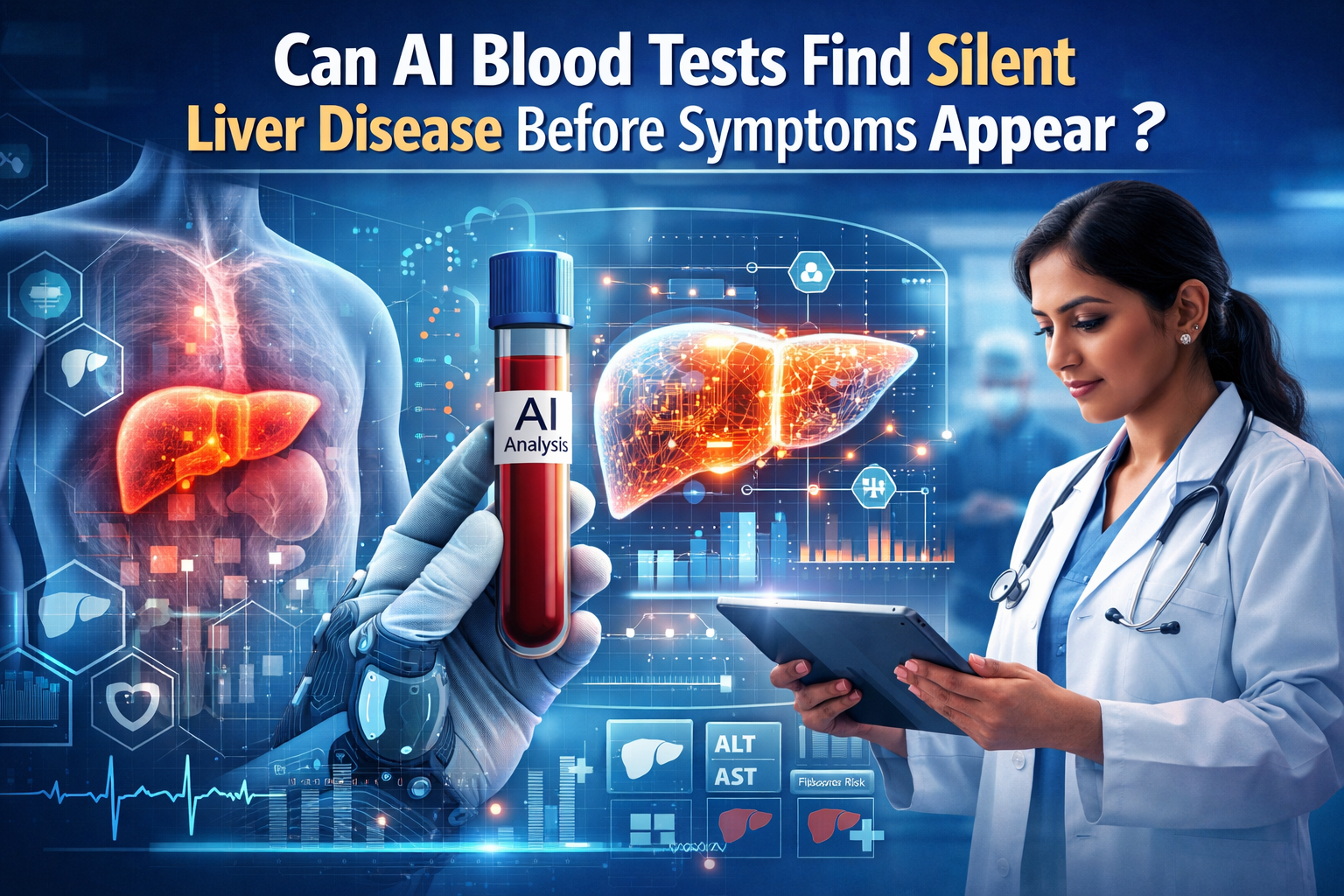
A new breakthrough may offer hope: Artificial Intelligence (AI) blood tests. These advanced tests combine traditional blood markers with powerful AI algorithms to detect liver damage before symptoms appear.
But can AI really identify silent liver disease early enough to save lives? And how could this technology change treatment, including the need for a liver transplant surgeon in India?
Let’s explore how AI is transforming liver disease detection.
Understanding Silent Liver Disease
Many liver conditions are often called "silent diseases."
Why? Because symptoms appear very late.
In the early stages, liver damage may not cause noticeable problems. People may continue their daily routine without realizing something serious is happening inside their body.
Common silent liver diseases include:
Fatty liver disease
Hepatitis B and C.
Liver fibrosis.
Early-stage cirrhosis.
By the time symptoms appear-- such as fatigue, jaundice, swelling, or abdominal pain-- the liver may already be severely damaged.
That's why early detection is crucial.
Why Liver Disease Often Goes Undetected
Think of your liver as a quiet worker in a factory.
Even if part of the factory stops working, the rest continues to function. The liver behaves similarly. It can continue functioning even when up to 70% of it is damaged.
Because of this unique ability:.
Many people don't feel symptoms early.
Routine tests may miss early disease.
Diagnosis often happens in advanced stages.
This delay in detection increases the risk of liver failure or the need for a liver transplant.
What Are AI Blood Tests?
AI blood tests combine standard blood tests with artificial intelligence analysis.
Instead of simply checking one or two markers, AI systems analyze hundreds of patterns in blood data.
These include:.
Liver enzymes.
Protein levels.
Inflammation markers.
Metabolic indicators.
The AI system then compares these patterns with thousands or even millions of patient records to detect subtle changes linked to liver disease.
In simple terms:.
AI acts like a super-smart detective that can notice tiny clues humans might miss.
How Artificial Intelligence Analyzes Blood Data
Artificial intelligence uses machine learning algorithms to study medical data.
Here's how the process works:.
-
Data Collection.
Blood samples are analyzed for multiple biomarkers.
-
Pattern Recognition.
AI compares the results with large medical databases.
-
Risk Prediction.
The system calculates the probability of liver disease.
-
Early Warning.
Doctors receive alerts about possible liver damage.
This allows physicians to diagnose liver disease earlier than traditional methods.
Early Signs AI Can Detect in Liver Disease
AI systems can identify tiny biochemical changes that happen before symptoms appear.
These early indicators may include:.
Slightly elevated liver enzymes.
Changes in metabolic markers.
Subtle inflammation signals.
Early fibrosis markers.
Altered protein levels.
While these changes may appear insignificant in traditional tests, AI can connect the dots and detect potential liver damage.
Types of Liver Diseases AI May Identify
AI technology has the potential to detect several liver conditions early.
These include:.
-
Fatty Liver Disease.
One of the most common liver conditions worldwide.
-
Liver Fibrosis.
Early scarring of the liver.
-
Cirrhosis.
Advanced scarring that affects liver function.
-
Viral Hepatitis.
Infections like hepatitis B and C.
-
Liver Cancer Risk.
AI may help identify patients at higher risk.
Early detection of these conditions can significantly improve treatment outcomes.
Benefits of AI-Based Liver Screening
AI-driven liver screening offers several important advantages.
Earlier Diagnosis.
Detects disease before symptoms appear.
Better Treatment Outcomes.
Early treatment can prevent severe liver damage.
Reduced Need for Liver Transplants.
Timely intervention may prevent liver failure.
Personalized Risk Assessment.
AI can evaluate individual health risks.
Improved Public Health Screening.
Large populations can be screened efficiently.
These benefits could transform how doctors manage liver disease.
AI vs Traditional Liver Function Tests
Traditional liver function tests measure markers such as:.
ALT.
AST.
Bilirubin.
Albumin.
While useful, these tests sometimes miss early liver disease.
AI systems analyze multiple variables simultaneously, which improves accuracy.
Traditional TestsAI Blood Tests.
Limited markersMultiple biomarkers.
Manual interpretationAdvanced algorithm analysis.
May miss early diseaseDetects subtle patterns.
Basic screeningPredictive diagnosis.
This makes AI a powerful tool for preventive healthcare.
Who Should Consider AI Liver Screening?
AI blood tests may be particularly helpful for people with higher risk of liver disease.
High-risk groups include:.
People with obesity.
Individuals with diabetes.
Heavy alcohol users.
Patients with hepatitis infection.
Those with family history of liver disease.
Routine screening can help identify liver damage years before symptoms appear.
The Role of Early Detection in Preventing Liver Failure
Detecting liver disease early can change the entire treatment journey.
For example:.
Fatty liver disease can be reversed through diet and exercise.
Hepatitis infections can be treated with medications.
Fibrosis progression can be slowed or stopped.
Without early detection, these diseases may progress to cirrhosis or liver failure.
That's when advanced treatments-- including transplant-- may become necessary.
When a Liver Transplant Becomes Necessary
In severe cases, the liver becomes too damaged to function properly.
A liver transplant may be recommended when patients develop:.
End-stage liver disease.
Liver cancer.
Severe cirrhosis.
Acute liver failure.
At this stage, consultation with an experienced liver transplant surgeon in India becomes essential.
India has become a global hub for advanced liver transplant procedures, with skilled surgeons and modern medical facilities offering life-saving treatments.
However, early diagnosis using AI could help many patients avoid reaching this stage.
How Technology Is Changing Liver Care in India
India is rapidly adopting AI-based medical technologies.
Hospitals and research institutions are exploring AI tools for:.
Early liver disease detection.
Imaging analysis.
Risk prediction.
Treatment planning.
These advancements support doctors, hepatologists, and liver transplant surgeons in India in providing more accurate and timely care.
As technology evolves, AI may become a routine part of liver health screening.
Future of AI in Liver Disease Diagnosis
The future of liver care looks promising.
Researchers are developing AI tools that may soon:.
Predict liver disease years before symptoms.
Detect microscopic liver damage.
Combine genetic and blood data.
Identify cancer risk earlier.
Imagine a simple annual blood test that warns you about liver problems before you feel sick.
That future may be closer than we think.
Lifestyle Steps to Protect Your Liver
Even with advanced technology, prevention remains the best strategy.
Simple lifestyle changes can protect your liver.
Maintain a Healthy Weight.
Obesity increases fatty liver risk.
Limit Alcohol.
Excess alcohol damages liver cells.
Eat a Balanced Diet.
Focus on vegetables, fruits, and whole grains.
Exercise Regularly.
Physical activity supports liver health.
Regular Health Checkups.
Routine tests help detect liver disease early.
Think of your liver as the body's natural detox machine-- taking care of it today helps ensure a healthier tomorrow.
Key Takeaways
Artificial intelligence is transforming modern medicine, and liver disease detection is one of the most promising areas.
AI blood tests can analyze complex patterns in medical data and detect liver disease before symptoms appear. Early diagnosis can lead to timely treatment, better outcomes, and potentially prevent severe complications.
While advanced cases may still require consultation with a liver transplant surgeon in India, technologies like AI offer hope that more patients will receive treatment long before reaching that stage.
In the coming years, AI may become an essential tool in preventing liver failure and saving lives.
FAQs
1. Can AI blood tests detect liver disease early?
Yes. AI blood tests can analyze multiple biomarkers and identify subtle patterns linked to early liver damage, sometimes before symptoms appear.
2. Are AI liver tests better than traditional liver function tests?
AI tests can analyze more data and detect hidden patterns, which may improve early detection compared to traditional liver function tests alone.
3. Who should get screened for liver disease?
People with obesity, diabetes, hepatitis infection, alcohol use, or family history of liver disease should consider regular screening.
4. Can early detection prevent liver transplant?
In many cases, yes. Early treatment can slow or reverse liver damage, reducing the need for a liver transplant.
5. When should someone consult a liver transplant surgeon in India?
Patients with severe liver disease, liver failure, or liver cancer should consult an experienced liver transplant surgeon in India for evaluation and treatment options.

 English
 Kiswahili
 Arabic
 French
 Spanish
 Portuguese
 Deutsch
 Turkish
 Dutch
Dutch
 Italiano
 Russian
 Portuguese (Brazil)
 Greek
Greek
