


Adjusting Saw Blade Tension Correctly
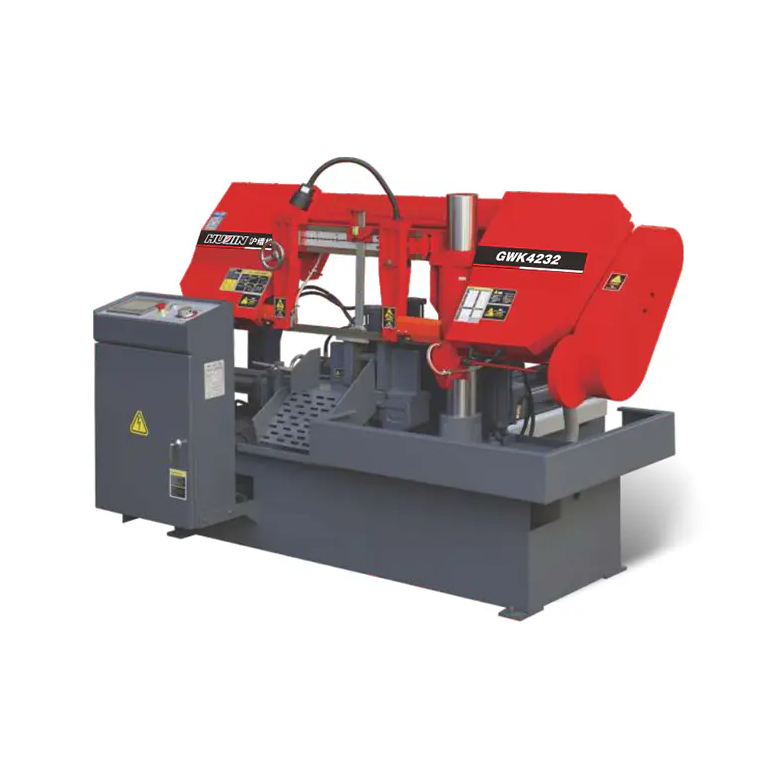
Introduction to Blade Tension in Scissor Band Saw
Proper blade tension is a critical factor in ensuring the efficiency and accuracy of a Scissor Band Saw. A correctly tensioned blade not only improves cutting precision but also prolongs blade life and prevents accidents caused by blade slippage or breakage. Operators often struggle to determine the optimal tension because different materials, blade sizes, and cutting speeds require slight adjustments. Understanding the principles of blade tension and applying them systematically can significantly enhance performance and safety.
Importance of Correct Blade Tension
Blade tension directly affects the cutting performance of a Scissor Band Saw. If the blade is too loose, it may wander during cutting, causing uneven cuts, vibration, or even blade derailment. On the other hand, excessive tension can place undue stress on the blade, saw wheels, and bearings, leading to premature wear or breakage. Proper tension ensures that the blade runs smoothly along the guide rollers, maintains contact with the material, and produces a clean and precise cut.
Factors Influencing Tension Adjustment
Several factors determine the ideal tension setting for a Scissor Band Saw blade. Blade width and thickness, material hardness, and the type of cut (straight or angled) all influence the required tension. Narrow blades tend to need slightly less tension than wide blades, while thicker blades generally require more tension to avoid deflection. Harder materials, such as stainless steel or alloy steel, demand a blade under higher tension to cut accurately without bending. Additionally, cutting speed and feed rate may necessitate fine-tuning of the tension to balance smooth operation and efficiency.
Steps to Adjust Blade Tension
Adjusting the blade tension on a Scissor Band Saw involves several key steps. First, ensure the machine is powered off and the blade is stationary. Locate the tensioning mechanism, usually a handwheel, lever, or hydraulic adjuster, depending on the model. Gradually increase tension while checking the blade’s alignment and straightness along the wheels and guides. Many modern saws provide a tension gauge or indicator to help operators achieve the manufacturer-recommended setting. Avoid sudden or excessive tension adjustments to prevent damage to the blade or the saw itself.
Testing and Fine-Tuning
After initial tension adjustment, it is important to test the blade under actual cutting conditions. Perform a trial cut on a scrap piece of material and observe blade behavior. If the blade deviates, vibrates excessively, or produces rough edges, minor tension adjustments may be necessary. Regular testing and monitoring are essential, especially when switching between different blade sizes or materials. Fine-tuning ensures optimal performance, minimizes wear, and maintains consistent cutting quality over time.
Maintenance Tips for Consistent Tension
Maintaining consistent blade tension also involves routine inspection and maintenance. Check guide rollers, bearings, and saw wheels for wear or misalignment, as these can affect blade tension even if the adjuster is correctly set. Clean the machine regularly to remove debris that may interfere with blade tracking. Lubricate moving parts according to manufacturer recommendations to reduce friction and ensure smooth operation. Proper maintenance guarantees that the chosen blade tension remains effective, enhancing both safety and performance.
Adjusting the blade tension of a Scissor Band Saw requires careful consideration of blade type, material, cutting conditions, and machine specifications. Correct tension ensures smooth operation, precise cuts, and extended blade life, while improper tension can lead to poor performance or equipment damage. By following systematic adjustment procedures, performing trial tests, and maintaining the machine properly, operators can achieve optimal blade tension, improving efficiency, accuracy, and safety in every cutting operation.
Cutting Capacity(mm): Round Φ800 Plate 800x1000
Blade speed(m/min): 15~60
Blade Size(mm): 1.6*80*8700
Motor main output(kw): 11
Hydraulic(kw): 2.2
Coolant pump(kw): 0.125
Machine Size(LxWxH)(mm): 4200*1800*2400

 Kiswahili
 Arabic
 French
 Spanish
 Portuguese
 Deutsch
 Turkish
 Dutch
Dutch
 Italiano
 Russian
 Romaian
 Portuguese (Brazil)
 Greek
Greek
