


How Liquid Medium Affects Float Ball Buoyancy
Introduction to Float Ball Buoyancy
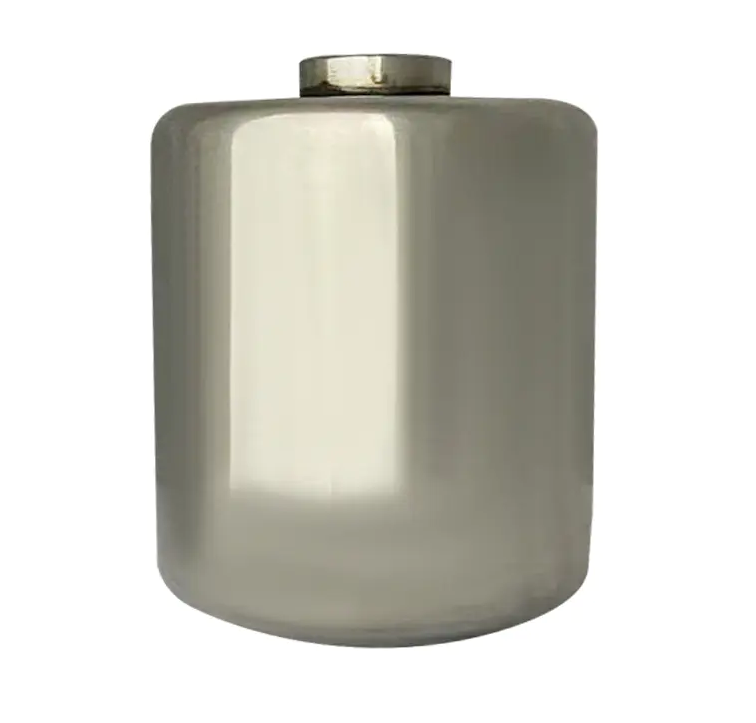
Float Ball Manufacturer products are widely used in liquid level control systems, valve mechanisms, and industrial tanks. A critical factor affecting their performance is buoyancy—the ability of the float ball to rise and fall in response to the liquid level. While float balls are designed to maintain consistent flotation, their buoyancy can vary depending on the physical and chemical properties of the liquid they are placed in. Understanding how density, viscosity, and temperature affect buoyancy is essential for accurate liquid level measurement and reliable system operation.
Influence of Liquid Density
Buoyancy is directly related to the density of the liquid in which the float ball is immersed. According to Archimedes’ principle, the upward force on the float equals the weight of the displaced liquid. Therefore, a float ball in a denser liquid, such as brine or oil, will experience a greater upward force compared to the same ball in water. Conversely, in a lighter liquid, the same float ball may submerge deeper to displace enough liquid to balance its weight. Engineers and designers must account for these variations when selecting float balls for different industrial fluids to ensure precise level detection and control.
Effect of Viscosity and Temperature
Viscosity, or the thickness of a liquid, also impacts float ball performance. In high-viscosity liquids such as glycerin or syrup, the float ball may respond more slowly to level changes due to increased resistance. Temperature changes can further affect both viscosity and density; for instance, liquids expand when heated, decreasing density and slightly reducing buoyant force. Similarly, cooling a liquid increases its density, enhancing buoyancy. Proper calibration and material selection from a reputable float ball manufacturer can compensate for these variations, ensuring consistent performance across temperature ranges.
Considerations for Chemical Compatibility
Different liquid chemistries, such as acids, bases, or solvents, can also affect float ball performance indirectly. Some aggressive chemicals may cause slight corrosion or surface degradation over time, altering the mass and surface properties of the float. High-quality stainless steel or coated float balls resist chemical attack, maintaining consistent buoyancy. Choosing the appropriate material and treatment ensures long-term stability in various industrial environments.
Applications and Real-World Performance
In practical applications, float balls must maintain reliable operation in water tanks, fuel storage, chemical reactors, or wastewater systems. For systems using multiple liquid types or varying concentrations, engineers often perform pre-installation testing or select float balls designed for specific liquid densities and viscosities. Some advanced designs incorporate adjustable or modular floats to compensate for density changes, ensuring accurate liquid level control under diverse operating conditions.
While float balls are engineered to provide stable buoyancy, their floating performance varies across different liquid media due to differences in density, viscosity, temperature, and chemical composition. Float Ball Manufacturer's expertise in material selection, design, and calibration ensures that the float balls operate reliably in diverse fluids, maintaining accurate level detection and consistent system performance. Understanding these factors allows operators to optimize liquid level control systems, reduce maintenance issues, and ensure safety and efficiency in industrial, commercial, and domestic applications.

 English
 Kiswahili
 Arabic
 French
 Spanish
 Portuguese
 Deutsch
 Dutch
Dutch
 Italiano
 Russian
 Romaian
 Portuguese (Brazil)
 Greek
Greek
