


How Rubber Retarders Influence Vulcanization Performance
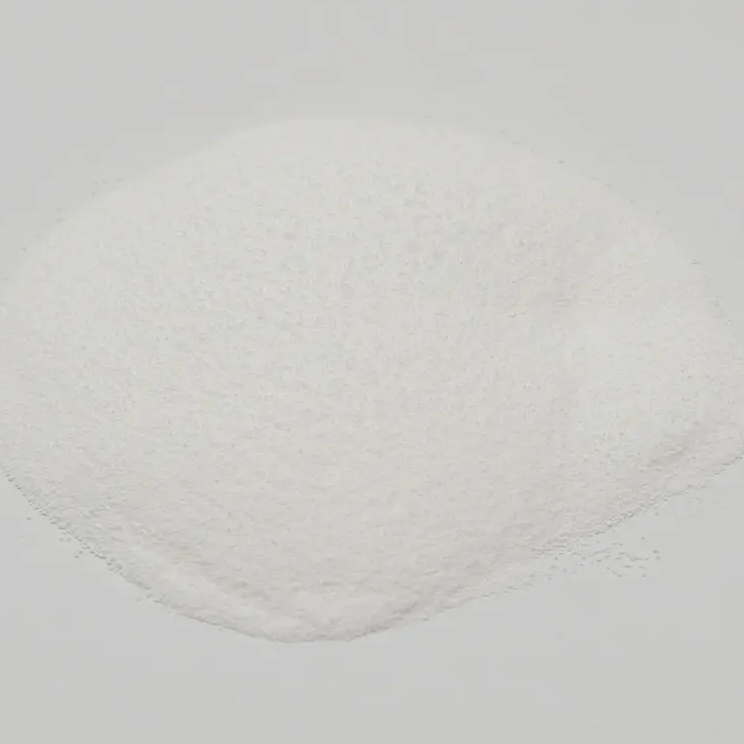
The Role of Rubber Retarders
Rubber retarders are chemical additives used in the rubber industry to control the rate of vulcanization. By slowing down the crosslinking process, they help prevent premature curing, improve processing safety, and enhance the uniformity of the final rubber product. However, the effectiveness of rubber retarders depends on precise dosing. Both excessive and insufficient use can have significant consequences on the properties and performance of rubber materials. Understanding these effects is essential for manufacturers aiming to produce high-quality, consistent products.
Impact of Excessive Rubber Retarders
Using too many rubber retarders can overly slow the vulcanization process. This can lead to under-cured rubber, which remains soft and lacks structural integrity. The resulting product may exhibit lower tensile strength, reduced elasticity, and poor resistance to abrasion and heat. Excessive retarders can also prolong production cycles, decreasing efficiency and increasing energy consumption. In some cases, high concentrations of retarders may interact with other additives, creating undesirable chemical byproducts that affect color, odor, or long-term stability. Manufacturers must carefully balance the amount of retarders to avoid compromising both mechanical properties and production efficiency.
Consequences of Insufficient Rubber Retarders
Conversely, using too few retarders may cause the rubber to cure too quickly. Rapid vulcanization can result in uneven crosslinking, leading to variations in hardness, elasticity, and dimensional stability. This may cause defects such as warping, blistering, or surface cracking. High-speed curing also increases the risk of scorching during processing, which can ruin molds or rollers and produce scrap material. Insufficient retarders can reduce the working time available for mixing, shaping, and molding rubber, making it challenging to maintain consistent quality across production batches.
Balancing Retarder Dosage for Optimal Performance
Achieving the ideal dosage of rubber retarders is critical for maintaining a balance between workability, curing rate, and final product performance. Manufacturers often determine the optimal amount through laboratory testing, considering factors such as rubber type, processing temperature, curing system, and other additives present in the formulation. By fine-tuning the retarder concentration, it is possible to achieve uniform crosslinking, consistent mechanical properties, and reliable long-term performance.
Practical Considerations in Manufacturing
In practice, controlling the use of rubber retarders requires precise measurement, mixing, and monitoring during the production process. Maintaining uniform distribution in the rubber matrix prevents localized over- or under-curing. Additionally, storage conditions, such as temperature and humidity, can influence the activity of retarders, making proper handling essential. Following manufacturer guidelines and using high-quality retarders from a reputable supplier helps ensure consistency and safety throughout the manufacturing process.
Importance of Proper Retarder Management
Both excessive and insufficient use of rubber retarders can negatively affect the quality and performance of rubber products. Overuse slows vulcanization, resulting in soft, under-cured materials, while underuse can cause uneven curing and defects. Proper dosage, careful mixing, and adherence to processing guidelines are essential to achieve consistent mechanical properties and reliable long-term performance. By understanding and controlling the effects of rubber retarders, manufacturers can optimize production efficiency and deliver high-quality rubber products for various industrial applications.

 Kiswahili
 Arabic
 French
 Spanish
 Portuguese
 Deutsch
 Turkish
 Dutch
Dutch
 Italiano
 Russian
 Romaian
 Portuguese (Brazil)
 Greek
Greek
